Free midday power just the start for energy equity

The lure of free daytime electricity has brought savings-minded Australians to the door of energy expert Mamoon Reza.
Similar to happy hours, the Solar Sharer policy, announced in 2025, was touted as a win for renters, apartment dwellers, and low-income households otherwise left out of rooftop solar.
The founder of social enterprise Equity Solar is working with households looking to benefit from energy plans set to launch in South Australia, NSW and south-east Queensland in July.
He says encouraging abundant use of solar energy during the middle of the day is a noble effort, given that production currently exceeds demand and goes to waste.
But he believes barriers prevent target households from reaping the full benefits.
Fast-tracking the installation of the smart meter required for participation can present a challenge when dealing with corporate and building managers.
“There have been a few people that I have helped them through this process,” Mr Reza told AAP.
“There were also a few people who started and then gave up.”
Occupants can then consider switching to electric, programmable appliances whenever possible and abandon old habits and start using dishwashers and washing machines during sunny hours.
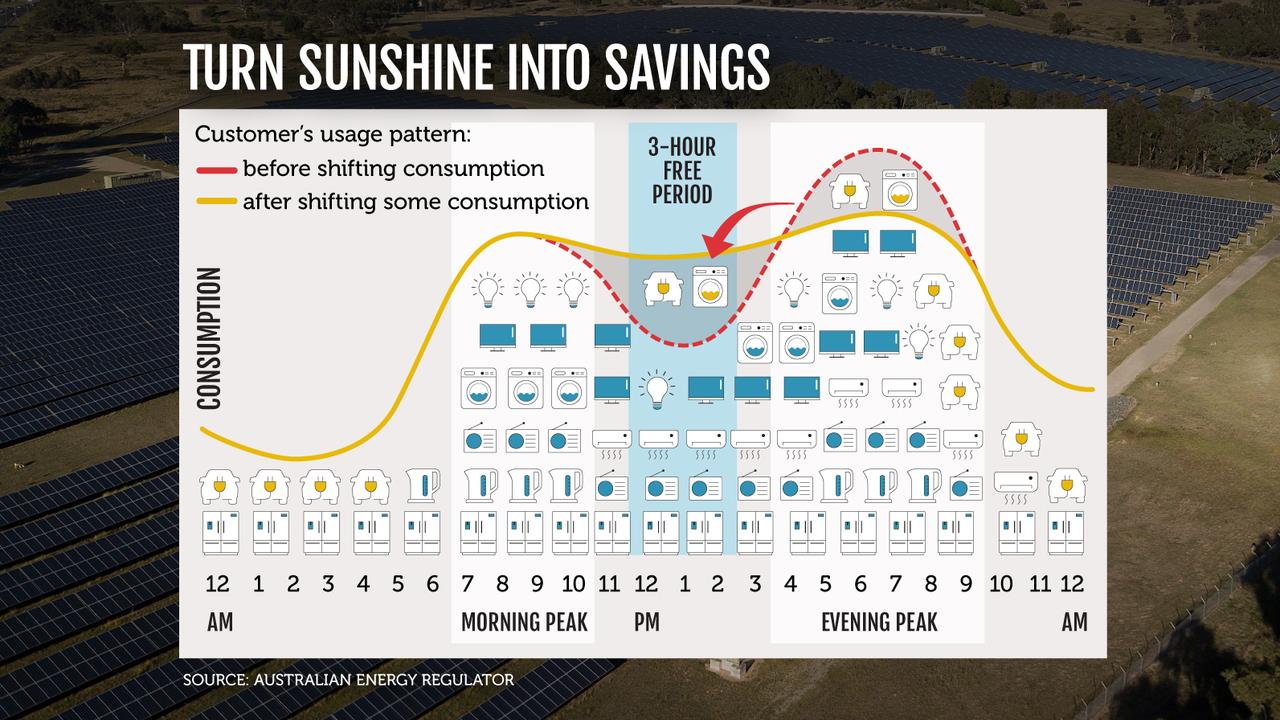
Mr. Reza says he worries that some will put in the hard work to overcome hardware challenges and behavior change, only to be left worse off.
Retailers are warning that Solar Sharer will leave them short on covering network and other costs during the free period, and they will have to make up the losses elsewhere.
The Australian Energy Regulator will allow retailers to reclaim some of their costs but will limit the extra amount they can claim outside the free window.
The regulator acknowledges that the participation scheme will not suit everyone.
Households that can benefit from energy during the day will be the primary beneficiaries.
To stop overconsumption, a daily limit of 24kWh will also be applied during the free period, and marginal charges will be applied to consumers who exceed this.
Mr Reza said energy consumers would need more assurance that they would save money under the programme.
Without a compelling financial situation, he says, the proposal might not get the broad coverage it needs to help the grid.
Nexa CEO Stephanie Bashir said the key policy goal was to prevent demand from rising to expensive peaks when the sun goes down.
Electricity demand increases when people return home in the evening, turn on the air conditioning and start cooking dinner.
By then Australia’s impressive solar panel fleet had ceased production.
If more energy was used when the sun was shining, the cost of the electrical system could be reduced for everyone, resulting in less generation and fewer poles and cables needed to meet the peak in the evening hours.
While load shifting is a “good start” to improving demand elasticity across the grid, Ms Bashir warns the benefits will be blunted by fundamental problems with how networks are organized to encourage over-investment in infrastructure.
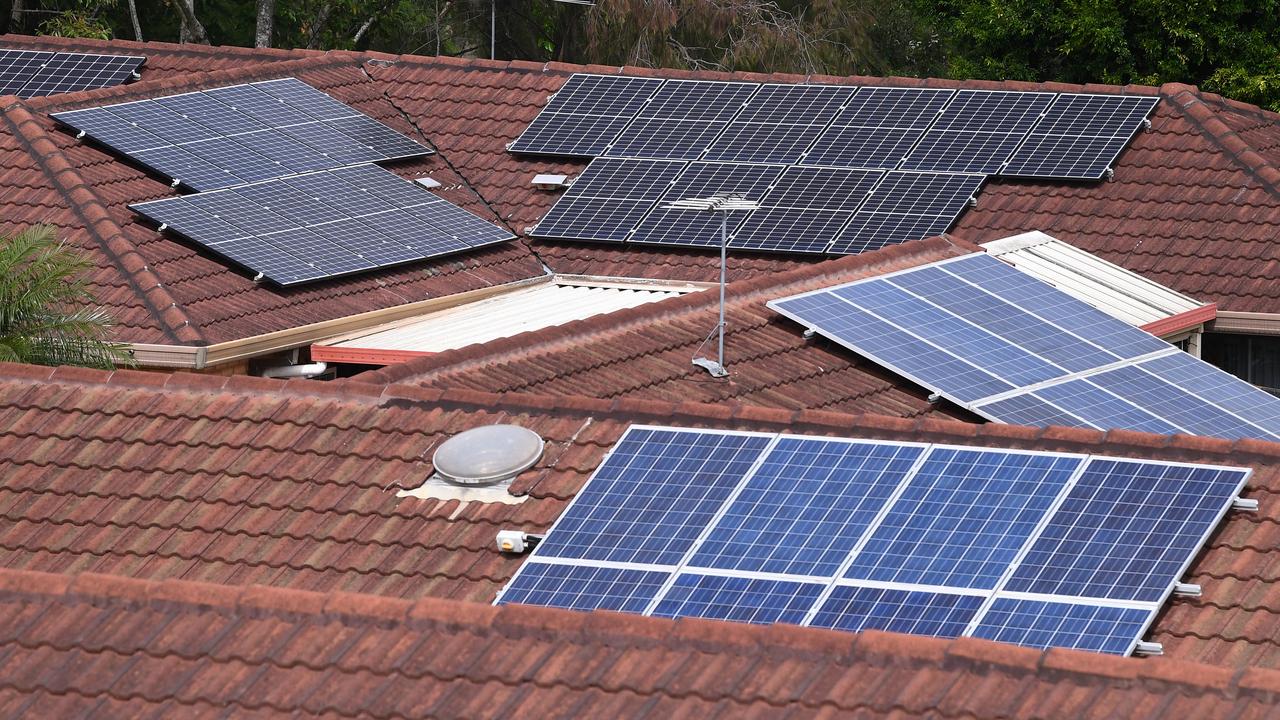
Free daytime solar plans often get the stamp of approval from consumer and renewable energy advocacy groups.
But many renters and other target households worry that they won’t benefit without more help for energy efficiency and appliance upgrades and accelerated deployments of smart meters.
Energy Consumers Australia’s Adam Collins says renters, apartment dwellers and low-income households often face the biggest barriers to changing their energy use.
They were less likely to have home automation systems or to be at home during the day, and more likely to lack insulation, he told AAP.
Without sufficient energy efficiency, people will return to hot homes in the afternoon after trying pre-cooling during the free window.
Mr Collins said the government and regulators risked undermining confidence unless it was clear whether consumers would be better off under new energy plans.
Solar Citizens CEO Heidi Lee Douglas sees free solar plans as a win, but not a magic solution.
He used the May budget as an opportunity to provide more significant support to tenants.
Meanwhile, Ms Douglas says there are cost-effective ways to make the most of a free solar plan, including cheap timers for power tools.
University of Victoria energy economist Bruce Mountain believes the Solar Sharer is fundamentally flawed and will disproportionately advantage wealthy households.
High-income earners are more likely to work from home, live in single-family homes, and have electric cars, batteries, and controllable hot water systems; These are the three biggest money-saving opportunities for zero-cost energy windows.
Apartment dwellers and tenants will have the opportunity to save on washing up and laundry costs, but Professor Mountain says the benefits are relatively small, around 20 to 30 cents per cycle.
Free solar windows could also hurt the economics of rooftop solar, he says.

Australia’s Associated Press is the beating heart of Australian news. AAP is Australia’s only independent national news channel and has been providing accurate, reliable and fast-paced news content to the media industry, government and corporate sector for 85 years. We inform Australia.


