Fuel relief may not be enough to help stressed budgets

Households, already under pressure from high interest rates, will still face a cost wall from high fuel prices, despite government efforts to alleviate some of the pressure.
Two of Australia’s biggest banks have recorded increases in spending at petrol stations since the US attacked Iran on February 28, triggering a war in the Middle East that has disrupted oil supplies.
Both say that would push inflation higher and raise the possibility that the central bank will raise interest rates further this year, even though the federal government’s fuel aid takes effect on Wednesday.
Fuel spending in the week to March 21 was 36 per cent higher than the February average and 15 per cent higher than the same period in 2024, according to a report by National Australia Bank.
“Fuel prices have continued to rise since then,” NAB economists Gareth Spence and Taylor Nugent said.
They also noted a sharp increase in the number of fuel purchases, which they attributed to people buying gasoline to avoid further price increases or supply problems.
“Supply disruptions in the Middle East represent a cost shock that will squeeze incomes and slow household consumption growth,” they wrote.
This will create demand problems for retailers and other consumer-facing businesses, who face cost increases tied to their own fuel prices.
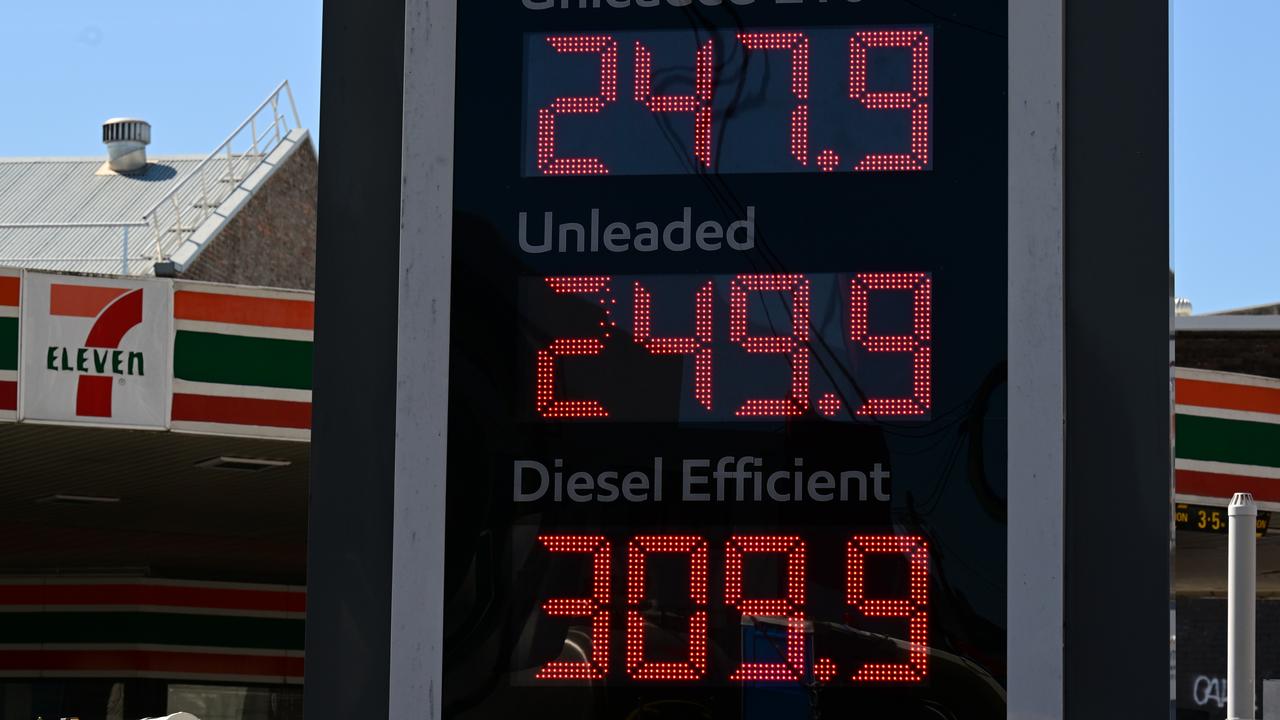
Commonwealth Bank of Australia also tracks consumers’ fuel spending.
“We’ve certainly seen an increase in spending at petrol stations,” Belinda Allen, CBA’s Australian economic chief, told a briefing on Tuesday.
At the beginning of the year, the barrel price of Brent crude oil was around 60 dollars.
It is currently above $100, settling around $105 on Wednesday, but has rallied as high as $119.50 since the start of the war.
CBA’s base scenario is that the oil price will be around US$120 per barrel in the next three months; However, if it is assumed that the Middle East war will continue, it is predicted that this price may rise up to 150 US dollars.
If the oil supply disruption is resolved, it could drop to around $80 per barrel.
The federal government halved fuel duty to 26.3 cents for three months and abolished the heavy vehicle road user charge for the same period.
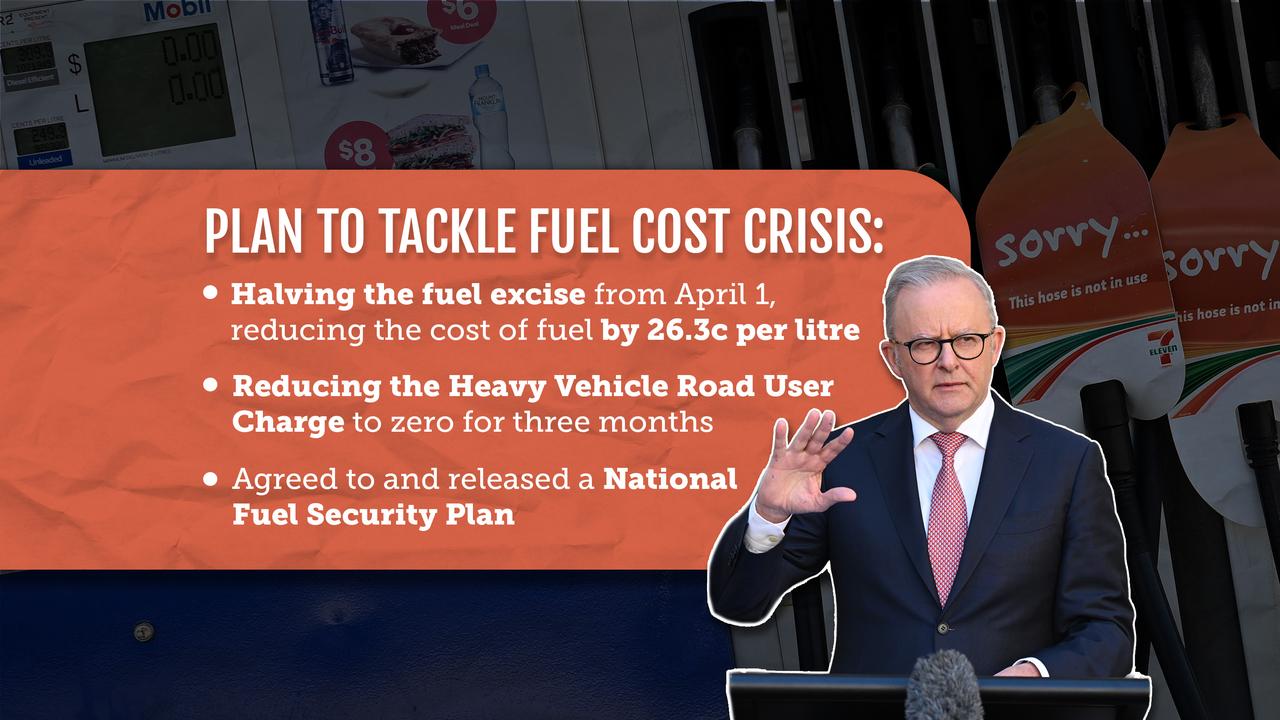
So will halving fuel duty be enough to get Australians through the crisis?
“We don’t expect prices to return to $60 a barrel like they were at the beginning of the year,” said Joe Capurso, CBA’s head of international economics.
“So when the excise tax starts again in three months, gasoline prices will still be very high.”
Both NAB and CBA expect the Reserve Bank of Australia to raise interest rates by 25 basis points again in May.
The government’s fuel aid measures will cost about $2.6 billion and come before the next federal budget, due on May 11.

Australia’s Associated Press is the beating heart of Australian news. AAP is Australia’s only independent national news channel and has been providing accurate, reliable and fast-paced news content to the media industry, government and corporate sector for 85 years. We inform Australia.


