Illicit cigarettes surge clouds modest spending lift

Australia’s dependence on black market tobacco has dragged down consumer spending figures as the country’s economic recovery slows.
Household spending rose just 0.2 per cent in September after two months of soft growth, the Australian Bureau of Statistics reported on Monday.
But the data has been clouded by an increase in sales of illegal cigarettes and e-cigarettes, which are not included in official statistics.
Excluding the sharp decline in supermarket cigarettes and tobacco sales, the indicator is expected to rise by 0.4 percent in the quarter, double the reported figure.
The result fell short of analyst expectations; ANZ economists predicted spending growth would rise to 0.4 per cent, while the Commonwealth Bank’s economic team predicted a rise of 0.5 per cent.
EY chief economist Cherelle Murphy said the relatively weak result for the month may reflect what consumers expect for November sales, which have become more pronounced in recent years.
Household consumption has been rising steadily since the beginning of the year as the Reserve Bank of Australia’s rate cuts boosted consumer confidence.
However, consumer confidence has remained flat since then as global uncertainty increased and expectations for further interest rate cuts decreased.
ABS head of business statistics Tom Lay said the modest increase in spending followed a flat result in August and a 0.4 per cent increase in July.
“Non-discretionary spending was the driver of the overall increase as the public spent more on food, healthcare and oil,” he said.
“Discretionary spending remained stable in September, with higher spending on entertainment and culture offset by declines in air travel and accommodation.”
Ms Murphy said healthcare spending was particularly strong, rising by 8.1 per cent in the last 12 months, as demand for and costs of healthcare increased.
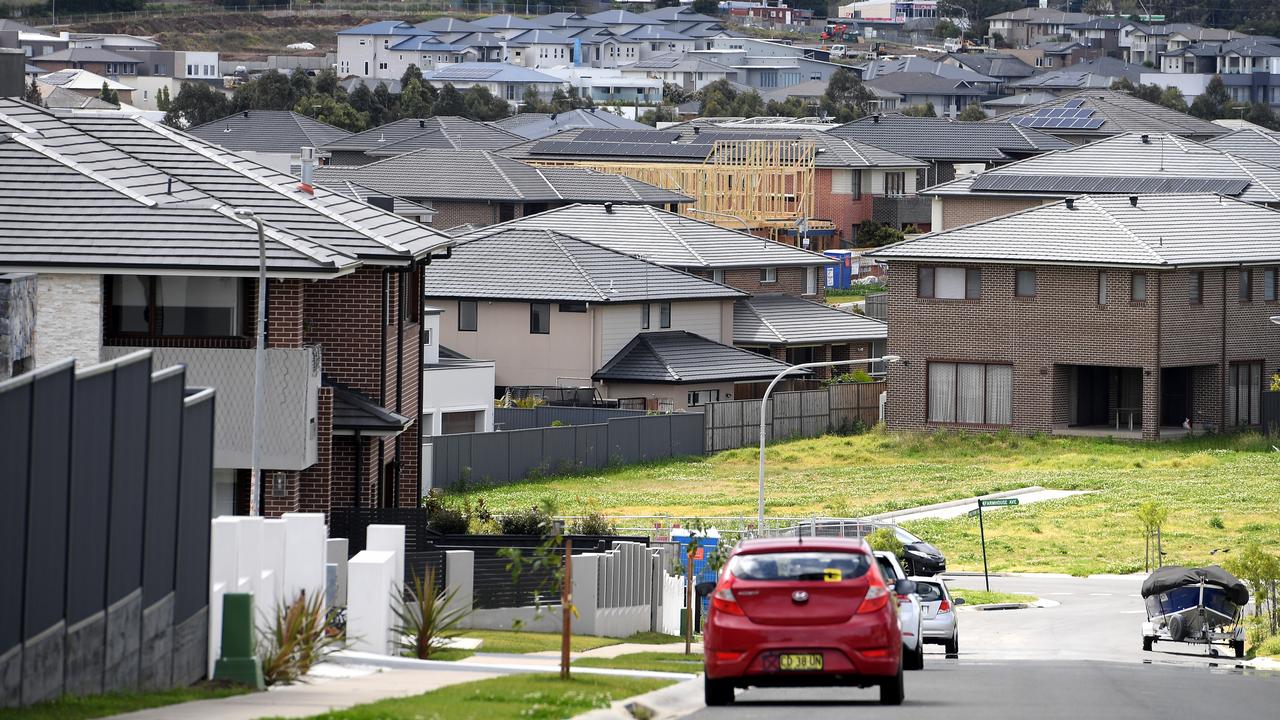
On an annual basis, household spending rose 5.1 percent (near a 22-month high), driven by the wealth effect from higher real incomes, lower interest rates and rising property values, it said.
The RBA is not expected to cut interest rates at its November meeting, which starts on Monday and ends Tuesday afternoon, as consumption continues to rise gradually and headline inflation rose to 3 per cent in the September quarter.
As a result, the central bank has clearly been more cautious over the past few weeks, Domain chief economist Nicola Powell said.
“Simply put, the RBA cannot move too quickly to cut rates, which will disappoint many hopeful buyers and mortgage holders,” Dr Powell said.

Australia’s Associated Press is the beating heart of Australian news. AAP is Australia’s only independent national news channel and has been providing accurate, reliable and fast-paced news content to the media industry, government and corporate sector for 85 years. We inform Australia.


