One in four children being groomed online in ‘worldwide health emergency’, says Childlight

More than one in four children are being cared for online, new research shows, creating what experts are calling a “worldwide health emergency”.
The Childlight Global Child Safety Institute (GCSI) said 27 per cent of children being groomed online were under pressure, some of them to send inappropriate images.
Childlight, based at the University of Edinburgh, said 38.6 per cent of girls and 19 per cent of boys were affected by care before they turned 18.
The institute said one in 10 children could face “sex blackmail”, a form of blackmail in which intimate photos are shared online if they do not agree to the perpetrator’s demands.
It also found evidence that nearly 1,500 people in more than 60 countries had “pedophile manuals” to escape justice.
Childlight said more than 300 million children experienced some form of sexual abuse online last year.
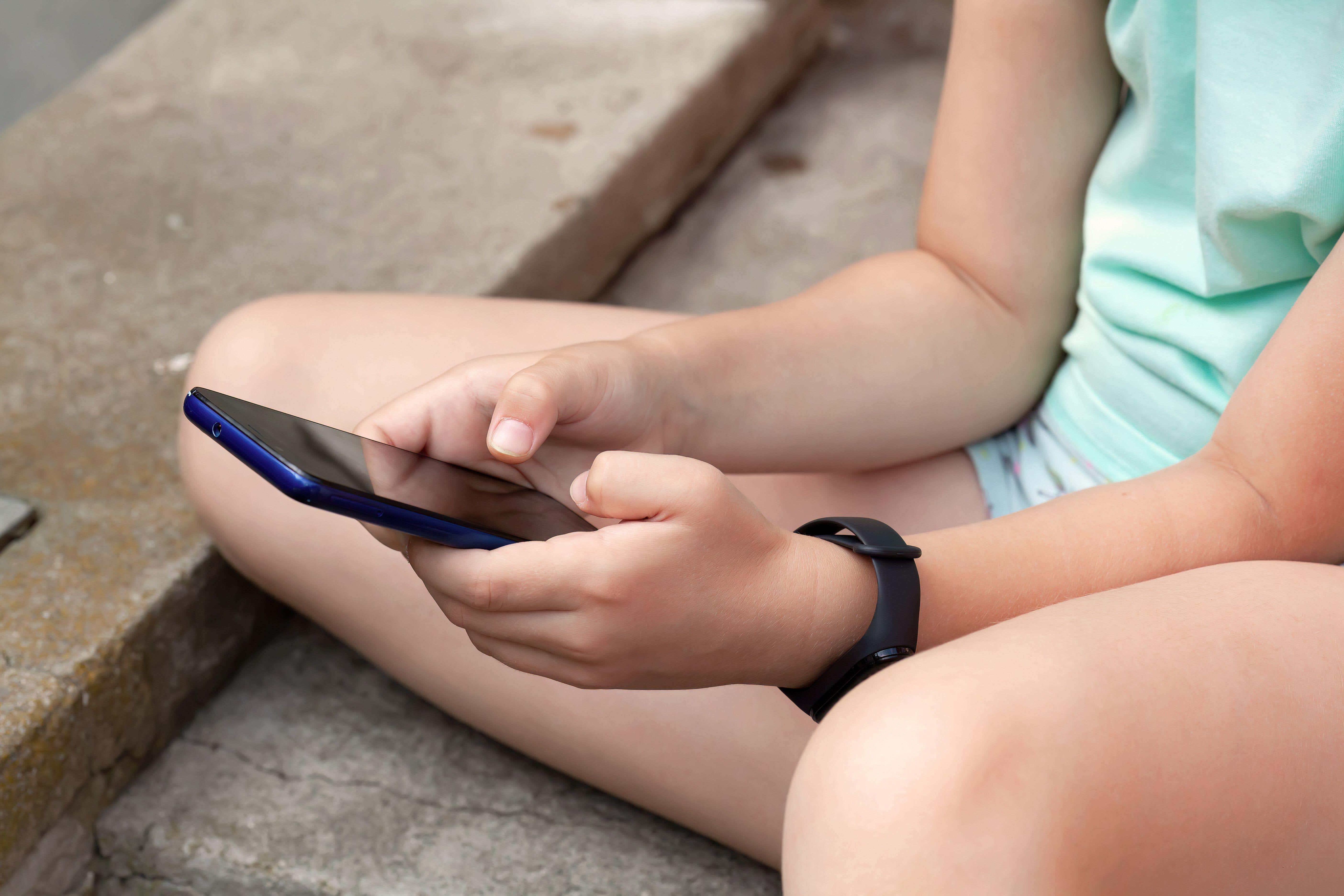
He added that more than 130 million people will experience offline abuse by 2024.
report titled Towards Lightweight Data UpdateIt was introduced at the World Health Assembly in Geneva on Tuesday.
He called on governments to recognize the issue as a public health priority.
The report drew on representative population surveys examining 147 studies from 60 countries.
Professor Debi Fry, global data director at Childlight, which led the project, said: “The harms of childhood sexual abuse are not temporary.
“For many victims, these include trauma, anxiety, depression and self-harm, which can last into adulthood.
“Evidence shows that it contributes more to health problems among girls and women than commonly recognized risk factors such as smoking, harmful alcohol use or lack of physical activity.
“Among boys, this is a bigger factor than malnutrition. So this is a worldwide health emergency, but it’s preventable.”

Rhiannon-Faye McDonald was harassed when she was 13 years old after a male perpetrator posing as a teenager contacted her online.
She waived her right to anonymity and today campaigns for better online security through the Marie Collins Foundation.
He said: “These findings reflect what we see every day in our work with victims and survivors of technology-assisted child sexual abuse.
“The scale is extremely alarming and the impacts are real and long-lasting.
“It’s crucial to frame this as a public health issue. Health systems have a critical role to play in detecting harm early, responding appropriately and preventing further trauma – but this depends on children being identified and treated as victims within those systems.”
“Without this recognition, opportunities for early support and prevention are often missed.”
If you are experiencing feelings of distress or finding it difficult to cope, you can speak to Samaritans confidentially on 116 123 (UK and ROI), email jo@samaritans.org or visit . Samaritans Website to find details of your nearest branch.
If you are a US resident and you or someone you know needs mental health help right now, call or text 988 or visit: 988lifeline.org To access online chat on the 988 Suicide and Crisis Lifeline. This is a free, confidential crisis helpline available to anyone 24 hours a day, seven days a week. If you are in another country you can go www.befrienders.org To find a helpline near you.


