Starmer accused of ‘unpicking Brexit’ as UK faces paying EU £1bn a year after ‘reset’

The UK will have to make annual payments to European budgets for the first time since Brexit to secure the much-heralded ‘reset’ with the EU, Sir Keir Starmer has been warned.
European Union negotiators insist the money, expected to reach around £1bn a year, is a prerequisite for greater access to the single market. But ministers in the UK are understood to disagree and see the cash request as the starting point for talks.
But shadow foreign secretary Priti Patel accused the prime minister of “planning another undemocratic coup against British taxpayers by rolling back Brexit and making us sign a £1bn annual payment to the EU”.
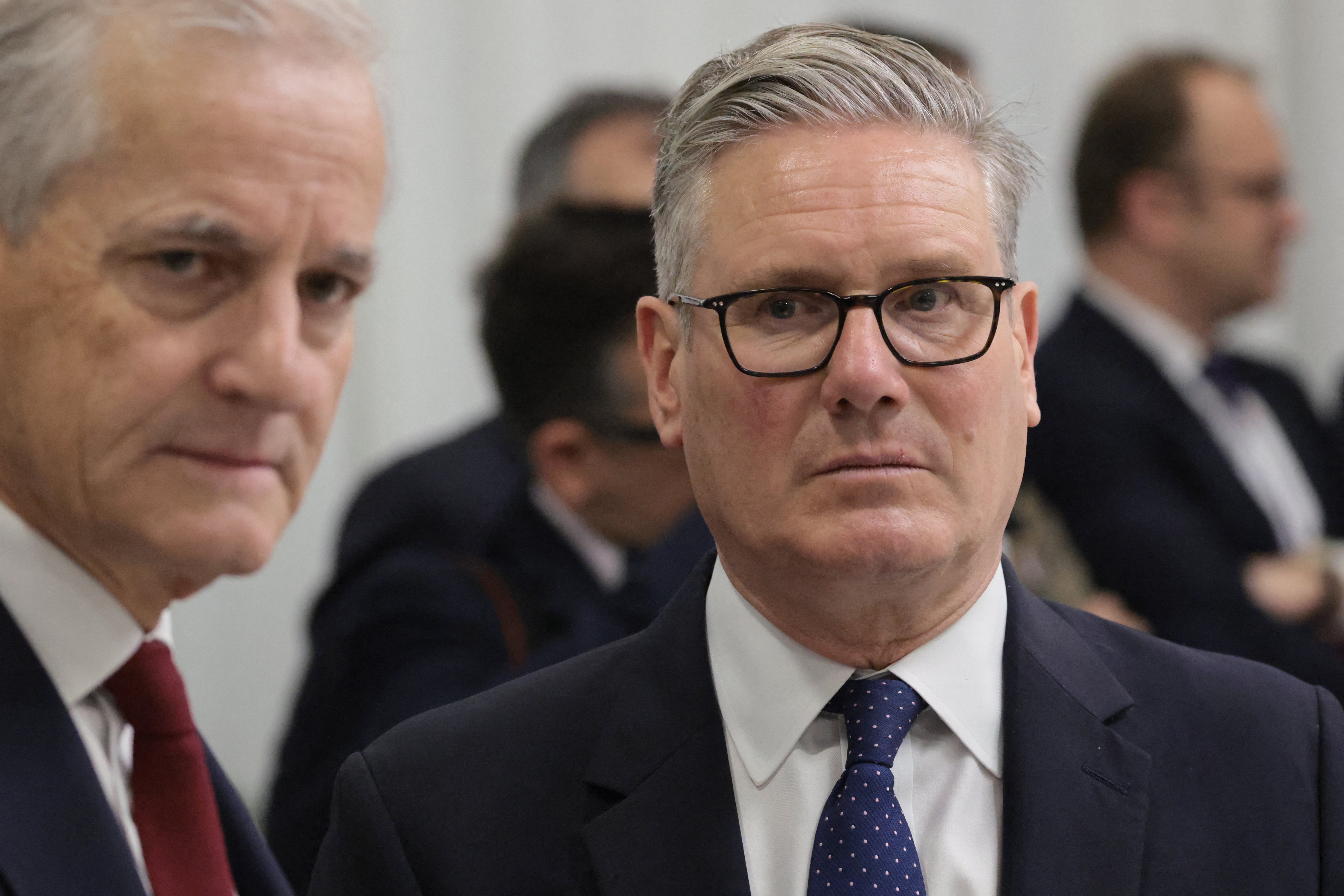
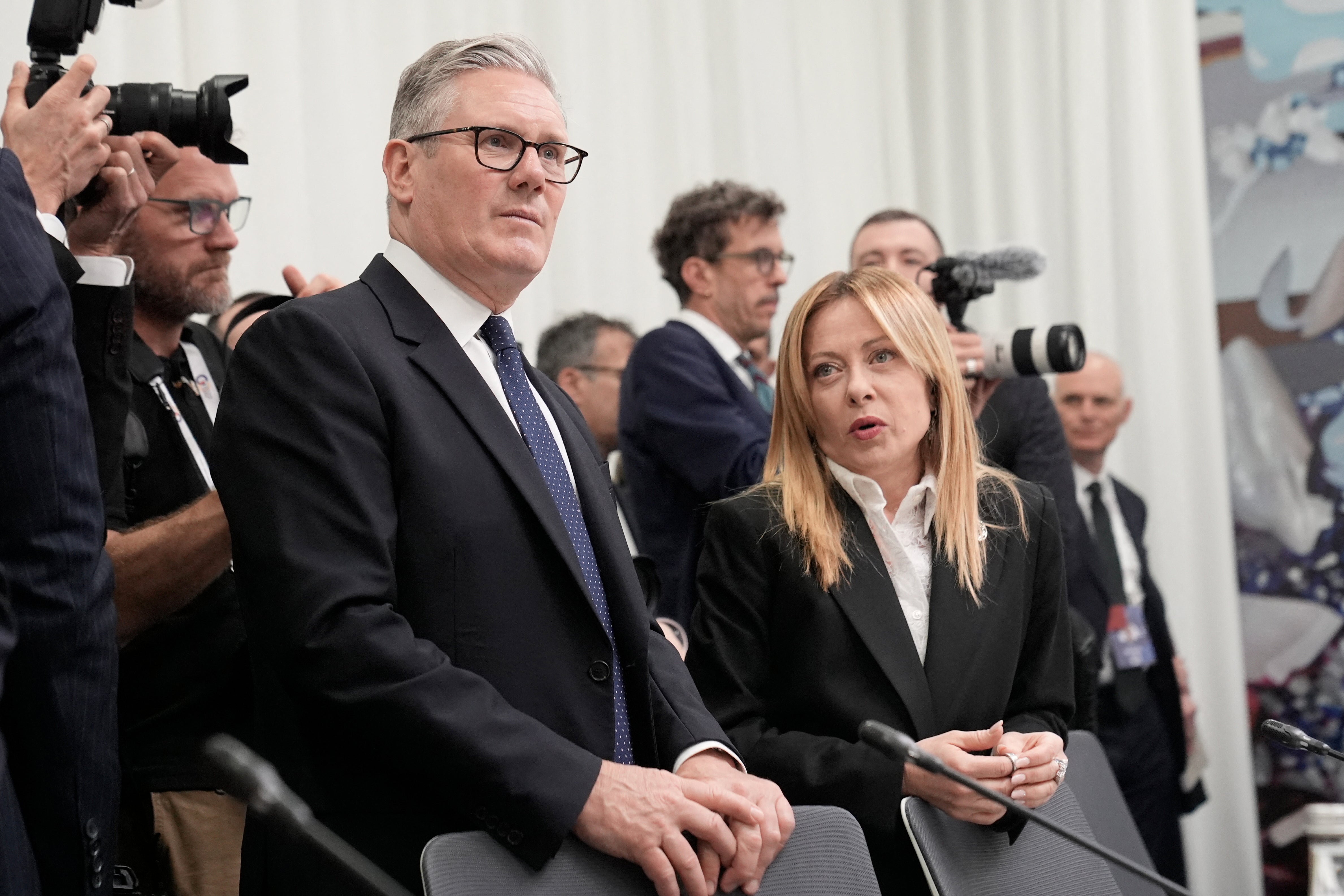
The row emerged as Sir Keir attended the European Political Community summit in Armenia, where he will hold talks with EU leaders over plans for a new relationship a decade after the Brexit vote.
He also used the event to launch his bid to join the group’s €90bn (£78bn) loan for the Ukraine scheme; He said this would be “very good” for UK-EU relations and job creation in Britain.
The Prime Minister will also attend a summit with European leaders this summer ahead of the start of detailed talks on the reset call.
“If the UK wants greater integration it must ‘pay to play’,” a European diplomat told the Times newspaper, which first reported the story. “This is not unusual.”
The Prime Minister called for “deeper economic integration” with the bloc and aligning the UK with the single market in areas where it “will benefit both parties”.
In March, European leaders agreed that Britain would have to pay into European funds for the first time since Brexit if it wanted to join the EU’s single electricity market.
The European Council also called for a “permanent mechanism” that would provide “appropriate financial contribution” for greater access to the single market. He said this should “appropriately reflect the relative size of the UK economy and the proportion of the internal market in which the UK aims to participate”.
Switzerland, whose economy is a quarter the size of the UK, agreed to pay 375 million euros a year to the EU’s social cohesion fund in exchange for privileged access to the EU single market.
In an article published in The Observer on Sunday, Starmer reiterated his call for closer ties with the EU. “IT [Brexit] “It has damaged our economy and I have no doubt where the national interests lie,” he said. “Britain must be at the heart of a stronger Europe on defence, security, energy and our economy.”
Sir Keir poured cold water on the idea of Britain rejoining the bloc’s customs union earlier this year, despite health secretary Wes Streeting saying the arrangement delivered “tremendous economic benefits”.
The Labor leader said there was a lot of water “under the bridge”, especially after Britain signed trade deals with the US and India that would potentially need to be resolved before there could be any customs union agreement.
But he said Britain could go “further” in the single market.
The Ukraine loan initiative, recently approved by the EU, could create opportunities for British defense firms to compete for contracts in return for a financial contribution from the UK, reportedly of up to £400 million.
It is understood the payments will be determined by the value of the contracts and will come from the £3bn the UK has ring-fenced for Ukraine.
A government spokesman declined to comment on ongoing negotiations.


