Buyers Want Cars to Look Good
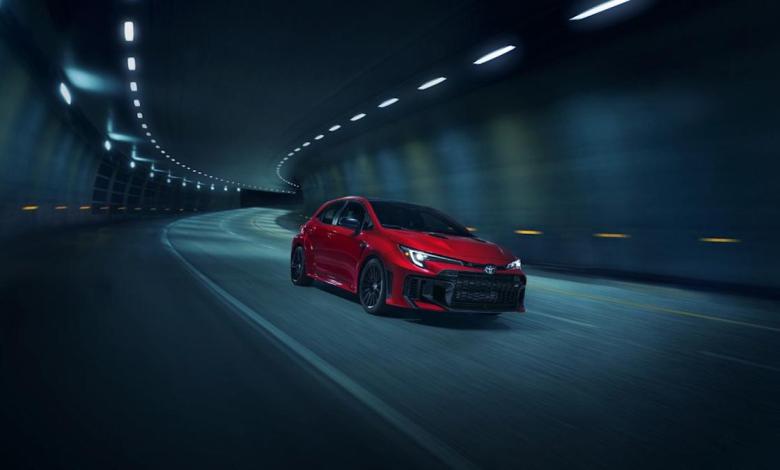
When Toyota unveiled the new Corolla at the Japan Mobility Show, something remarkable happened: enthusiasts actually got excited about a Corolla. The redesigned compact featured aggressive styling, sculpted lines, and a presence that finally matched its legendary reliability.
For decades, Toyota built its reputation on dependability and efficiency, creating vehicles that started every morning but rarely started conversations. The enthusiast response to the new Corolla signals a broader shift in buyer expectations: reliability and good gas mileage are table stakes now, not selling points.
Today’s buyers want vehicles that turn heads in the parking lot, not just get them to work and back. The message is clear: building a boring appliance on wheels isn’t enough anymore, even if it runs forever. (Because remember, you then gotta be seen in that car forever.)
Cars Are Personal Statements, Not Just Transportation
Image Credit: Toyota.
Your vehicle choice says something about you, whether you like it or not. A 2023 study by Cox Automotive found that 64% of buyers consider a vehicle’s design “very important” when making a purchase decision, ranking it nearly as high as reliability. This makes sense when you consider that your car is often the second-largest purchase you’ll make, and unlike your house, everyone sees it.
The average American spends nearly an hour in their car daily, according to the U.S. Census Bureau, making it an extension of personal space and identity. A distinctive design creates an emotional connection that a spreadsheet of specs simply cannot.
When people invest $35,000 to $50,000 in a vehicle, they want something that reflects their personality, not a shapeless blob that prioritizes wind tunnel numbers over visual impact.
Social Media Changed Everything

Image Credit: Stellantis.
Instagram and TikTok have transformed cars from private purchases into public statements. The hashtag #CarTok has over 15 billion views, with users showcasing everything from vintage restorations to brand-new performance machines. People want cars that photograph well and generate engagement, which explains why distinctive designs like the Dodge Challenger or Ford Bronco dominate social feeds.
Even mainstream buyers feel this influence: if your car looks good in photos, you’re more likely to feel proud of your purchase and share it with your network. The rise of automotive influencers has made design accessibility a cultural currency, rewarding bold styling choices and punishing bland anonymity.
A car that looks good in your driveway and on your feed checks multiple boxes that a purely functional commuter cannot.
The Rental Car Curse Is Real

Image Credit: Nissan.
There’s an unofficial rule among car shoppers: if it looks like something you’d get at Hertz, keep walking. Rental fleets are filled with anonymous sedans and crossovers that blend together in a sea of beige mediocrity, creating a negative association with certain design languages.
Cars like the Nissan Versa or Mitsubishi Mirage might offer excellent value and reliability, but their styling screams “basic transportation” rather than “considered purchase.” Buyers actively avoid vehicles that remind them of airport parking lots and vacation compromises. The “rental car aesthetic” — characterized by flat panels, minimal character lines, and forgettable proportions — has become a genuine liability for manufacturers.
When your personal vehicle looks indistinguishable from a fleet special, it’s hard to feel excited about the monthly payment.
Good Example: Mazda MX-5 Miata

Image Credit: Mazda.
The Mazda MX-5 Miata proves that style and driving enjoyment can coexist in an affordable package. With its compact roadster proportions, friendly front fascia, and timeless silhouette, the Miata has maintained iconic status for over three decades.
Starting around $28,000, it offers modest power with just 181 horsepower, but buyers don’t care because the complete package works beautifully. The design is instantly recognizable from any angle, creating a strong emotional connection with owners who view it as more than transportation.
Mazda deliberately crafted a “Jinba Ittai” design philosophy, meaning horse and rider as one, which prioritizes the human connection to the machine. The Miata outsells many more powerful sports cars simply because people want to own something that makes them smile every time they see it in the garage.
Good Example: Ford Bronco

Image Credit: Ford.
Ford’s revival of the Bronco demonstrates exactly what happens when you nail both capability and design. The boxy, retro-inspired styling immediately captured attention when it launched in 2021, generating over 230,000 reservations in the first few months.
Ford didn’t just build a competent off-roader — they built one that looks purposeful and adventurous even sitting in a suburban driveway. The removable doors, distinctive grille, and modular design create Instagram-worthy moments that traditional SUVs cannot match. Buyers were willing to wait over a year for their custom Bronco builds, demonstrating that distinctive styling creates demand that transcends typical purchase timelines.
The Bronco succeeded because it looks like it belongs in the wilderness, even if most examples will never leave pavement.
Good Example: Hyundai Ioniq 5

Image Credit: Hyundai.
Electric vehicles face the challenge of differentiating themselves in a market where drivetrains are becoming similar, making design crucial for standing out.
The Hyundai Ioniq 5’s retro-futuristic styling, with its pixel-inspired lighting and angular body panels, creates an unmistakable presence on the road. Rather than chasing the smooth, aerodynamic aesthetic of many EVs, Hyundai embraced distinctive character and won multiple design awards.
The interior features quirky touches like movable center consoles and lounge-style seating that make it feel special rather than sterile. Sales figures back up the design risk — Hyundai sold over 33,000 Ioniq 5s in the U.S. in 2023, impressive for a relatively new EV brand.
The Ioniq 5 proves that electric vehicles can be efficient and eye-catching simultaneously, attracting buyers who want sustainability without sacrificing style.
Bad Example: Nissan Versa

Image Credit: Nissan.
The Nissan Versa serves its purpose as affordable transportation, but its anonymous styling makes it virtually invisible in traffic. With flat body panels, minimal character lines, and proportions that prioritize interior space over visual drama, the Versa looks exactly like what it is: basic mobility.
Starting around $17,000, it offers excellent value, yet its design generates zero emotional response from potential buyers who see it as a compromise rather than a choice. The completely forgettable front grille and generic silhouette mean you’d struggle to identify a Versa in a parking lot of similar-sized sedans.
While reliability and affordability matter, the Versa’s styling suggests its makers never considered that buyers might want to feel something when they look at their car. It’s the automotive equivalent of plain oatmeal — nutritious but utterly uninspiring. You’ll find yourself daydreaming of that syrupy, fluffy stack of pancakes every time.
Bad Example: Mitsubishi Mirage

Image Credit: Mitsubishi.
The Mitsubishi Mirage achieves excellent fuel economy with EPA estimates of 36 city and 43 highway mpg, but its styling is the definition of penalty box. The awkward proportions, tiny wheels, and plasticky appearance create the impression of a car that’s apologizing for existing.
At around $16,000, it’s among the most affordable new cars available, yet the design makes it feel cheap rather than economical. The interior matches the exterior’s lack of ambition, with hard plastics and a layout that screams “we spent the absolute minimum on this.” Even practical shoppers on tight budgets want vehicles that don’t broadcast financial struggle, but the Mirage’s design language practically shouts budget constraints.
Strong sales in rental fleets suggest even Mitsubishi knows the Mirage appeals more to fleet managers than individual buyers seeking something they’ll enjoy owning.
Good Example: Honda Civic Type R

Image Credit: Honda.
Honda transformed the Civic Type R from a controversial design into a more refined performance statement with its latest generation, proving that style evolution matters. The previous generation’s extreme styling divided opinions with its excessive vents and wings, but the 2023 redesign cleaned up the lines while maintaining aggressive character.
With 315 horsepower and a starting price around $43,000, it delivers serious performance, but the matured design attracts buyers who previously dismissed it as too outrageous. The Type R now looks purposeful rather than desperate for attention, with functional aerodynamics integrated into a cohesive design language.
Honda sold every Type R it could build in 2023, with many dealers reporting waiting lists stretching months. The success shows that even performance car buyers want vehicles that look fast and sophisticated, not just one or the other.
Bad Example: Chevrolet Trax (First Generation)

Image Credit: Kevauto – Own work, CC BY-SA 4.0/
The original Chevrolet Trax exemplified everything wrong with prioritizing practicality over design in the subcompact crossover segment. Its bulbous proportions, awkward stance, and generic front fascia created a vehicle that looked outdated the moment it launched in 2015.
Despite offering decent cargo space and fuel economy, the Trax’s styling suggested Chevrolet designed it with a ruler and minimal imagination. The cheap-looking plastic cladding and uninspired details made it feel like a parts-bin special rather than a thoughtful product.
Sales were decent initially due to competitive pricing around $21,000, but largely because budget crossover buyers had limited options, not because anyone fell in love with the design.
Chevrolet clearly learned from this mistake — the 2024 Trax redesign features dramatically improved styling that actually generates positive attention.
Good Example: Kia EV6

Image Credit: KIA.
Kia’s transformation from budget brand to design leader is embodied perfectly in the EV6’s striking aesthetic. The fastback profile, distinctive lighting signatures, and sculpted surfaces create a vehicle that looks premium and futuristic without being weird for weird’s sake.
Starting around $42,000, the EV6 competes with Tesla on technology but wins on design distinctiveness, offering buyers an electric vehicle that doesn’t look like everything else in the segment. The interior continues the design ambition with a curved display, sustainable materials, and an overall environment that feels genuinely special.
The EV6 won World Car of the Year in 2022, largely due to design that made jurors and buyers alike actually want to own one. Kia proved that investing in design talent pays dividends, with the EV6 selling over 23,000 units in the U.S. in 2023 despite intense EV competition.
Bad Example: Nissan Kicks (First Generation)

Image Credit: RL GNZLZ, CC BY-SA 2.0 / WikiMedia Commons.
The original Nissan Kicks embodied the “designed by committee to offend nobody” approach that results in vehicles nobody particularly wants either. Launched in 2018, the Kicks featured rounded shapes, a floating roof design that every other crossover also had, and proportions that suggested someone started with a sketch and then sanded off anything interesting.
Despite decent practicality and fuel economy around 31 city and 36 highway mpg, the Kicks’ styling inspired zero passion from buyers seeking more than basic transportation. The interior matched the exterior’s ambition level with economy-grade materials and a layout that prioritized cost-cutting over creating any sense of occasion.
While it found buyers in the competitive subcompact crossover segment, success came from pricing around $19,000 rather than design desirability. Nissan’s 2025 redesign completely overhauled the styling, implicitly acknowledging that the original design fell flat with consumers seeking something more engaging.
Good Example: Toyota GR Corolla

Image Credit: Toyota Newsroom.
Toyota’s GR Corolla proves that even the most mainstream nameplate can become exciting with the right design approach and performance credentials. The widebody stance, aggressive front fascia, and functional hood vents create a pocket rocket that looks genuinely special compared to the standard Corolla’s conservative styling.
With 300 horsepower and all-wheel drive starting around $36,000, it delivers serious performance, but the design sells the capability before you even turn the key. The GR Corolla generated waiting lists at most dealers because it offers something rare — genuine performance wrapped in distinctive styling at a relatively accessible price point.
Toyota deliberately gave it visual separation from regular Corollas, understanding that performance buyers want their investment to be visible to others who appreciate it. The success has likely influenced Toyota’s broader design philosophy, making even standard Corollas more visually interesting than previous generations.
Bad Example: Buick Encore (First Generation)

2013 Buick Encore – Image Credit: Navigator84 – Own work, CC BY-SA 3.0/Wiki Commons.
The original Buick Encore launched in 2013 as one of the earliest subcompact luxury crossovers, but its conservative styling made it invisible in increasingly crowded parking lots.
The anonymous front grille, forgettable proportions, and styling that seemed designed for rental fleets rather than aspiring luxury buyers created a vehicle with zero personality. Despite decent build quality and features appropriate for the around $25,000 starting price, the Encore looked like something designed specifically not to offend conservative tastes — which meant it also failed to excite anyone.
The styling aged poorly as competitors introduced more distinctive designs, making the Encore look increasingly like a penalty box for buyers who couldn’t afford a proper luxury vehicle. Buick’s struggles with younger buyers stem partly from vehicles like the original Encore, which reinforced the brand’s stodgy reputation rather than challenging it.
The subsequent redesign added more character, suggesting even Buick recognized the original’s design anonymity hurt its appeal.
Conclusion: The Era of Boring Reliability Is Over

Image Credit: Honda.
The enthusiastic response to Toyota’s redesigned Corolla marks a turning point where even the most reliable, practical vehicles need distinctive styling to capture buyer attention. Today’s consumers face longer loan terms, higher prices, and the constant visibility of social media, making the emotional connection to a vehicle more important than ever before.
Manufacturers who continue prioritizing efficiency and reliability while ignoring design appeal will find themselves losing buyers to brands that understand cars are lifestyle statements, not just transportation appliances. The most successful vehicles moving forward will be those that make owners proud in the driveway and confident in the parking lot, delivering both substance and style.
As the examples show, price point doesn’t determine design ambition — commitment to creating something distinctive does. The boring commuter car served its purpose for decades, but today’s buyers rightfully expect more from their second-largest investment.