Turkey is the latest country to ban children from social media. What are other countries doing?

Australia made history in December by becoming the first country to ban children under 16 from accessing social media.
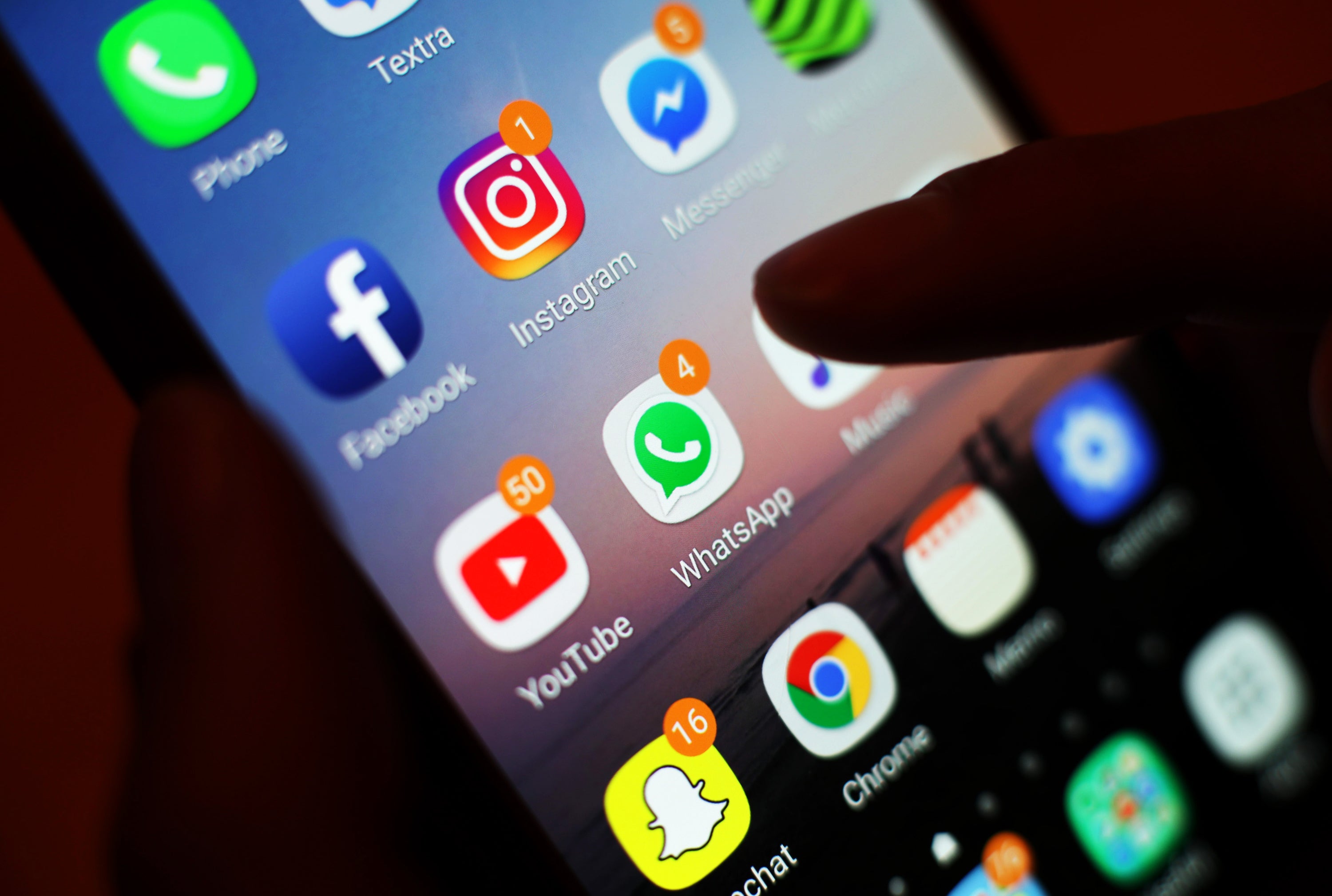
This pioneering move blocks minors’ access to platforms such as TikTok, YouTube, Instagram and Facebook. This decision reflects growing concerns about the significant impact of social media on children’s health and safety.
Below is a summary of what countries and companies are doing to regulate children’s access to social media.
Australia
A landmark law forces major social media platforms to block children under 16 from December 10, 2025. Companies that fail to comply could face fines of up to A$49.5 million ($35.3 million).
Austria
Austria will ban social media for children up to age 14, the government said in March. Vice-Chancellor Andreas Babler and digitalization minister Alexander Proell said the draft law on the ban would be completed by June.
Brazil
Brazil’s Digital Children and Adolescents Regulation, which requires children under 16 to link their social media accounts to a legal guardian and bans addictive platform features such as infinite scrolling, came into force on March 17.
Britain
Britain was considering an Australian-style ban on social media earlier this year and stricter AI chatbot safety rules for children under 16, technology minister Liz Kendall said in February.
The government said in March it would test the homes of 300 young people to measure the impact of social media bans, curfews and time limits on children’s sleep, family life and schoolwork.
Chinese
China’s cyberspace regulator has implemented a program called “minor mode” that requires device-level restrictions and app-specific rules to restrict screen time based on age.
Denmark
Denmark announced in November that it would ban social media for children under the age of 15, and parents could provide access to certain platforms for children up to the age of 13.
France
France’s National Assembly approved legislation in January banning children under 15 from social media amid growing concerns about online bullying and mental health risks. The bill must pass the Senate before a final vote in the lower house.
Germany
Minors between the ages of 13-16 are allowed to use social media only with the consent of their parents. But child protection advocates say the controls are inadequate.
Greece
Prime Minister Kyriakos Mitsotakis said on April 8 that Greece will ban children under 15 from accessing social media as of January 1, 2027.
India
Karnataka, home to the tech hub of Bengaluru, became the first Indian state to ban social media for children under 16 in March. Neighboring states such as Goa and Andhra Pradesh are also tightening restrictions.
India’s chief economic adviser called for age restrictions on social media platforms in January, describing them as “predatory” in the way they keep users engaged online.
Indonesia
Indonesia’s communications and digital ministry said in March that it would restrict access to social media platforms for children under 16.
Starting March 28, accounts owned by children under 16 on “high-risk platforms” including TikTok, Facebook, Instagram and Roblox will be gradually disabled.
Italy
Children under the age of 14 need parental permission to register for social media accounts, above this age no permission is required.
Malaysia
Malaysia announced in November that it would ban social media for children under 16 from 2026.
Norway
Norway will introduce a bill to parliament by the end of 2026 that would ban children from using social media until they turn 16 and make tech companies responsible for age verification duties, Labour’s minority government said on April 24.
Poland
The ruling party in Poland said in February that it was preparing a law that would ban social media for children under 15 and hold platforms responsible for age verification.
Portugal
In February, the Portuguese parliament approved a bill requiring explicit parental permission for children aged 13 to 16 to access social media. Tech companies that ignore the restrictions will face fines of up to 2 percent of their global revenues.

Slovenia
Slovenia is drafting a law that would ban children under 15 from accessing social media, Deputy Prime Minister Matej Arcon said in February.
Spain
Spain will ban children under 16 from accessing social media and platforms will be required to implement age verification systems, Prime Minister Pedro Sanchez said in early February.
It was unclear whether the proposed ban would require approval by the country’s highly fragmented lower house.
Türkiye
The Turkish parliament passed a bill on April 23 that restricts access to social media platforms for children under the age of 15.
Within the scope of the law, which also includes regulations for social media platforms, safe digital spaces will be created for those under the age limit and controlled use will be encouraged.
United States
The Children’s Online Privacy Protection Act prevents companies from collecting personal data from children under 13 without parental consent.
Many states have passed laws requiring parental permission for minors to access social media, but they have faced courts on free speech grounds.
EU legislation
The European Parliament agreed in November on a non-legally binding resolution calling for a minimum age of 16 on social media.
It called for a harmonized EU digital age limit of 13 for social media access and a 13-year age limit for video sharing services and “AI friends”.
technology industry
Social media platforms such as TikTok, Facebook and Snapchat say people must be at least 13 years old to sign up.
Child protection advocates say controls are inadequate, and official data in many European countries shows that many children under 13 have social media accounts.


