UK households dip into savings amid struggle with cost of everyday essentials

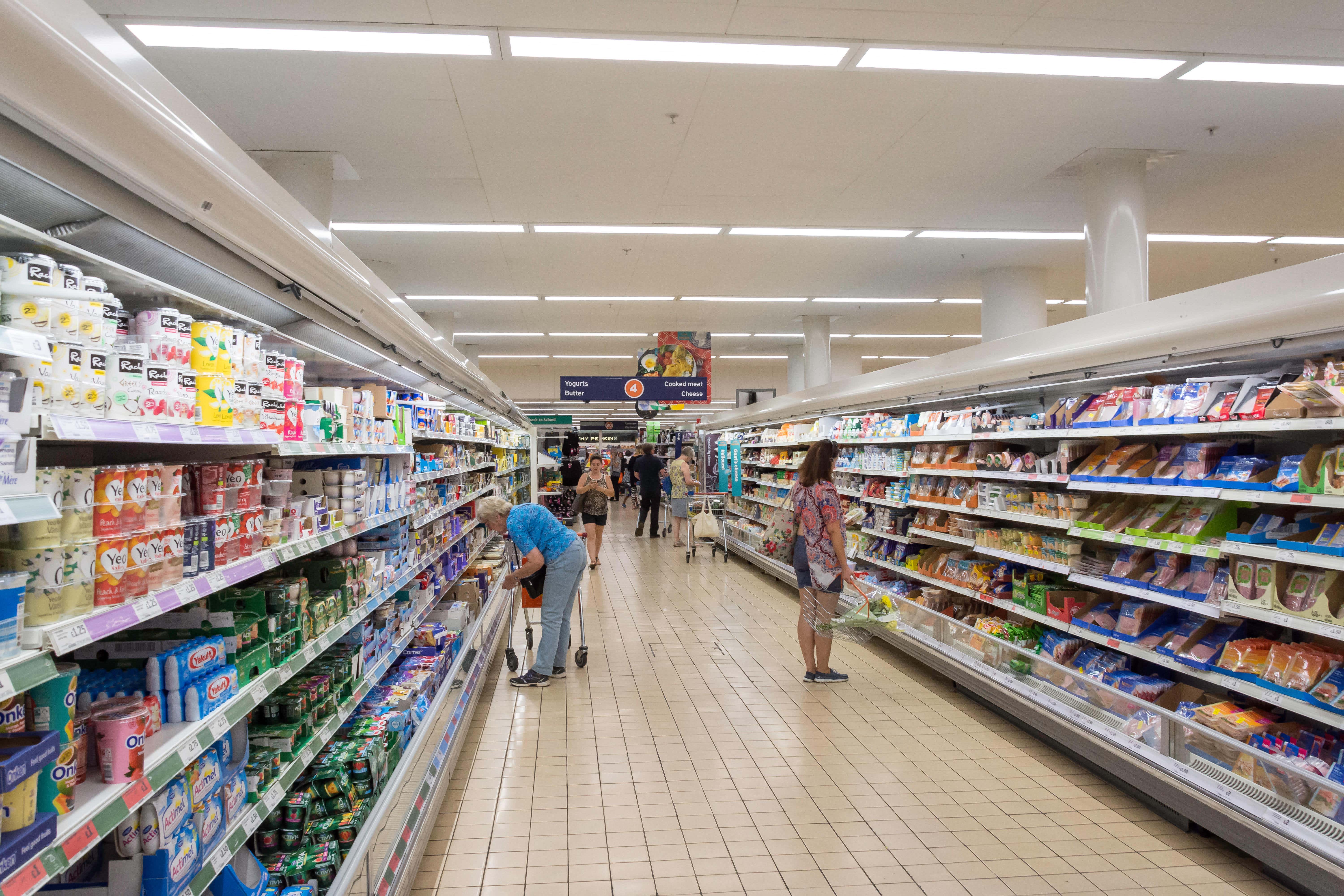
Almost half of UK households are struggling with the cost of daily essentials, a new survey shows. Which is the latest? Consumer Insight Tracker found that 49 percent of households have been forced to save money, sell belongings or take other measures to cover these costs.
The survey also found that confidence in the future of the UK economy fell 13 points to minus 56 in the month to March 13, the lowest level recorded since the end of 2022. The score reflected “deep pessimism across the country”, the watchdog said. While 67 per cent of UK adults now expect the national economy to worsen over the next 12 months, only 12 per cent think it will improve.
It was revealed that, unlike at the end of 2025 when financial stress appeared to be easing, 26 percent of households are now regularly turning to savings to bridge the gap between their income and the rising costs of basic needs.
Confidence in the future of household finances also fell to its lowest level since April last year, falling five points to minus 15.
Sue Davies, Which? Head of Consumer Protection Policy said: “Our research shows a worrying shift in consumer sentiment, with confidence in the economy reaching its lowest point in decades as households face a daunting combination of rising prices and global instability.
“Millions of people are now forced to save or sell their belongings just to cover the cost of daily basic needs.
“The pressure on budgets is becoming unsustainable for many. We would encourage anyone struggling to pay their bills to speak to their provider as soon as possible and seek free, independent debt advice.”
Yonder surveyed 2,085 British adults between 13-15 March.


