UK inflation to fall faster than predicted as impact of Iran war ‘better than feared’

Britain’s inflation rate is now expected to return to its target level sooner than previously expected, according to new forecasts from the International Monetary Fund (IMF).
The global economic body’s latest World Economic Outlook shows price rises will ease significantly across the UK next year. This more optimistic assessment comes after the IMF said the worldwide economic impact of the Middle East conflict was “better than feared.”
In particular, the fund predicts that inflation will fall to the 2 percent target set by the government and the Bank of England by mid-2027.
In May, the organization had previously stated that it would only drop the target rate by the end of next year.
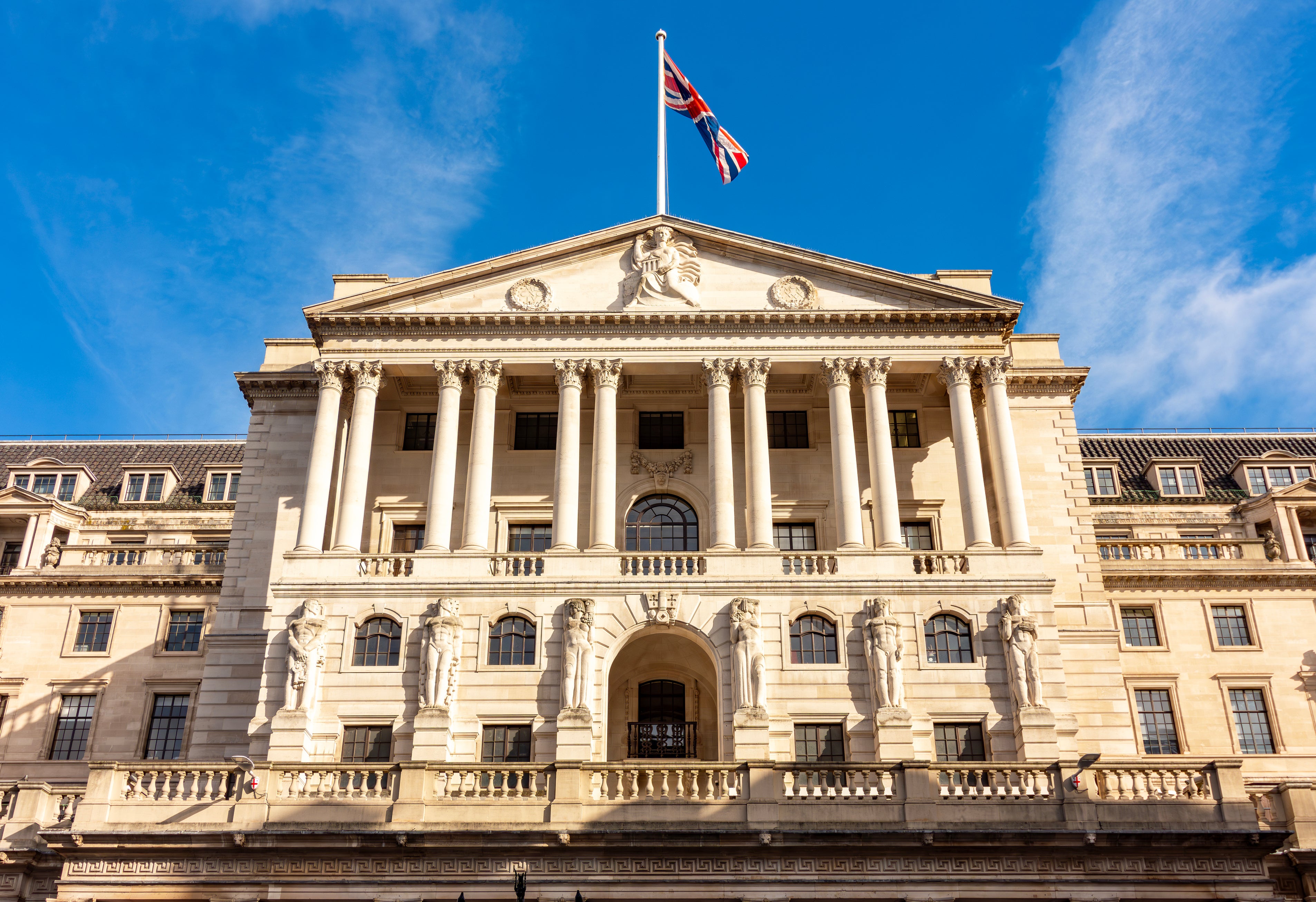
UK consumer price index inflation was last recorded at 2.8 per cent in May but is expected to rise in the coming months.
The Bank of England has recently predicted that inflation could rise to just above 3.25 percent by the end of this year.
Inflation forecasts in the UK have been dampened somewhat by the recent interim peace deal between the US and Iran, which has contributed to lower oil prices.
However, the IMF said its global price inflation forecasts for both 2026 and 2027 were still slightly higher than in its outlook report in April.

Get a free partial share of up to £100.
Capital is at risk.
Terms and conditions apply.
ADVERTISING
Get a free partial share of up to £100.
Capital is at risk.
Terms and conditions apply.
ADVERTISING
The IMF said that global price inflation is expected to increase from 4.1 percent last year to 4.7 percent this year, driven by high food and energy prices.
The IMF has predicted that this will drop to 3.9 percent next year.
However, the forecasts are still 0.3 points higher for 2026 and 0.2 percent higher for 2027 compared to previous estimates.
Meanwhile, the global economy is expected to grow by 3 percent this year; slightly below the previous estimate of 3.1 percent.
However, this is expected to rise to 3.4 percent in 2027, from the previous forecast of 3.2 percent.
The IMF maintained its forecasts for the UK’s economic growth in May.
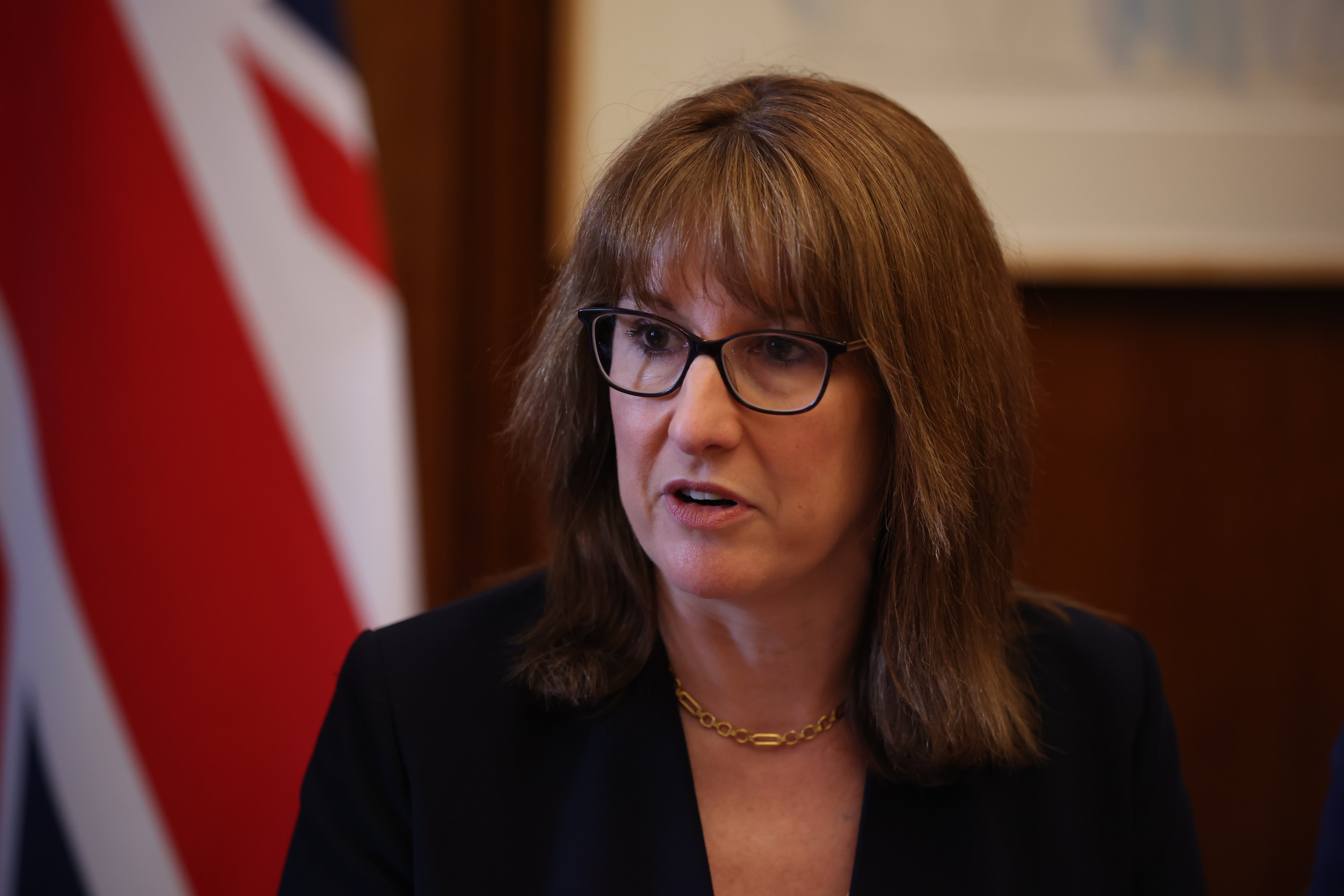
The IMF said in its report: “The global economy as a whole has so far weathered the shock of war better than feared.
“Risks on the outlook are more balanced than in April, but still trend downwards.
“The possibility of renewed conflict in the Middle East looms large and could increase volatility in commodity prices, further threaten supply chains, increase prices and put pressure on financial conditions.”
The IMF said the UK economy will grow by 1 percent in 2026.
This is 0.2 percentage points stronger than the IMF’s previous outlook report in April, but identical to the UK-focused update published in May.
Chancellor Rachel Reeves said: “The UK is the only G7 country where this year’s growth forecast has been upgraded by the IMF.
“This shows that we have the right economic plan to build a stronger and more secure economy.
“Our choices mean the economy is better placed to cope with the costs of the war in Iran, while kickstarting long-term growth by focusing on our big three options – boosting artificial intelligence, regional growth and strengthening trade with the EU.”


