Why people are objecting to a Chinese ‘mega-embassy’ being built in London

The British government is expected to approve a controversial “mega” Chinese embassy in London despite years of political wrangling and significant security concerns.
MPs from across the political spectrum have called on planning authorities to reject China’s application for a new diplomatic campus.
Critics fear the proposed building, which would be the largest in Europe, could become a base for espionage due to its proximity to the capital’s financial district and crucial data cables.
Concerns were also raised that the embassy would increase the threat of surveillance and intimidation of Chinese dissidents living in exile in the UK.
The decision, originally planned for October, was repeatedly postponed amid mounting allegations of Chinese espionage and political interference, which intensified pressure on the British government.
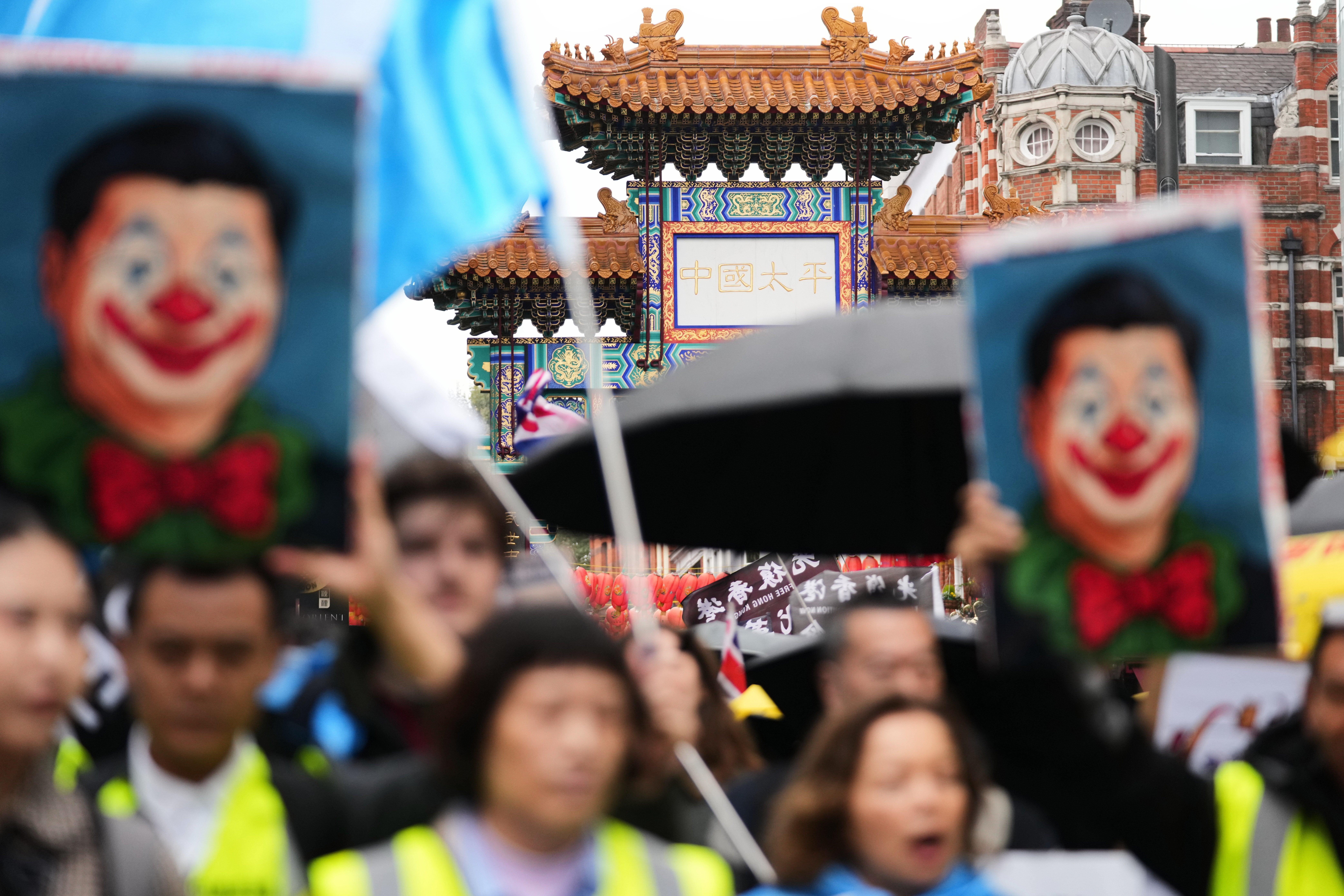
British media reported that the decision to approve the embassy will be made this week, ahead of Prime Minister Keir Starmer’s expected visit to China. The closely watched visit will be the first by a British prime minister since 2018.
The final decision regarding the embassy is expected to be made by January 20, the deadline set by the government.
Let’s take a look at why the embassy has been the focus of protests and Sino-British tensions for years:
The proposed embassy at Royal Mint Court, the former site of the United Kingdom’s coin maker near the Tower of London, would replace many Chinese official buildings in London.
Critics say the new facility is too close to underground fibre-optic cables that carry sensitive financial information between London’s two main financial districts.
Conservative MP Alicia Kearns said there was a risk of handing over access to data that would provide the Chinese government with a “launching pad for economic warfare against our nation”.
Opponents are among hundreds protesting the plans, saying a massive embassy housing large numbers of officials would further increase China’s crackdown on activists abroad.
A group of opposition Labor MPs say concerns include “recent records of espionage cases in China, interference activities and bounties against UK-based Hong Kongers”.
The site was purchased by the Chinese government for 225 million pounds ($301 million) in 2018, but plans for the embassy have since been postponed.

Local authorities rejected the initial application due to concerns that the embassy would attract many large protests and affect the safety of residents and tourists. China reintroduced its proposals after the current Labor government came to power last year.
there is china reported Regarding the seven-year delay in approving the project, he said the UK had “constantly complicated and politicized the issue”.
“The development plan of the new Chinese Embassy is of high quality and is highly recognized by local professional organizations,” the Chinese embassy said in a statement in October. “The practice complies with diplomatic practices and local regulations and procedures.”
Chinese Foreign Ministry spokesman Lin Jian warned that if the embassy is not approved, “the consequences will be borne by the UK.”
Recent high-profile cases involving alleged Chinese espionage have raised alarm about the embassy.
In November, domestic intelligence agency MI5 He warned MPs He warned that Chinese agents were making “targeted and widespread” efforts to recruit and develop them using LinkedIn or secret companies.
Authorities believe the so-called “bounty hunters” are trying to access sensitive information about Parliament and the British government.
Beijing has vehemently denied the allegations, calling them “complete fabrications and malicious slander”.
The British government has previously faced questions over whether it intervened in the case of two alleged Chinese spies in a bid to preserve good relations with China.
Former parliamentary inquiry Christopher Cash and academic Christopher Berry was accused of espionage last year for Beijing. But their trial crashed The country’s attorney general said at the last minute that this happened because the UK government refused to brand China as a threat to national security.
Facing criticism that he did not take a tough enough stance on security risks, Starmer emphasized that Britain should continue diplomatic dialogue and cooperation with the Asian superpower, even though protecting national security is not open to discussion.
“This is not a matter of balancing economic and security considerations. We are not sacrificing security in one region in exchange for a little more economic access elsewhere,” he said.
Starmer said Chinese President Xi Jinping himself raised the issue during a phone call last year.
Opposition MP Priti Patel derided Starmer as “Beijing’s useful idiot in Britain”.
“Starmer’s ‘reset’ with Beijing is a pure one-way street, putting Britain at risk while Beijing gets everything it wants,” he said.
Close to sensitive infrastructure, potential for protestsChina’s warningsEspionage concerns mountStarmer insisted on intervention


