NHS trials ‘trailblazing’ AI and robotics technology to spot lung cancer

Artificial intelligence and robotics will soon be able to determine whether patients have lung cancer, with the NHS launching a new pilot to help make faster diagnoses.
The procedure, which is expected to become more widely available in 2030, is being run by Guy’s and St Thomas’s NHS Foundation Trust and comes as part of wider efforts to expand lung cancer screening across the country.
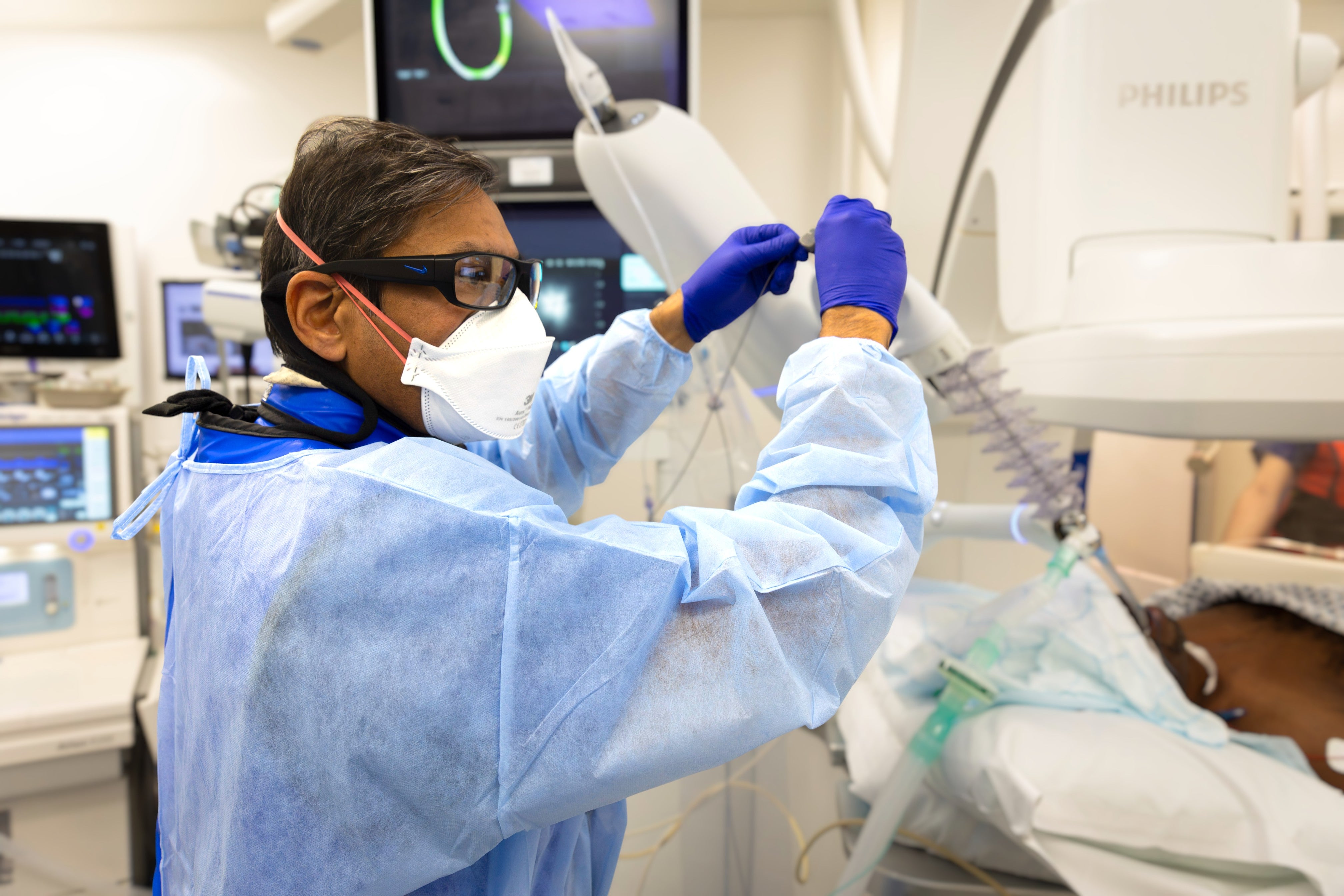
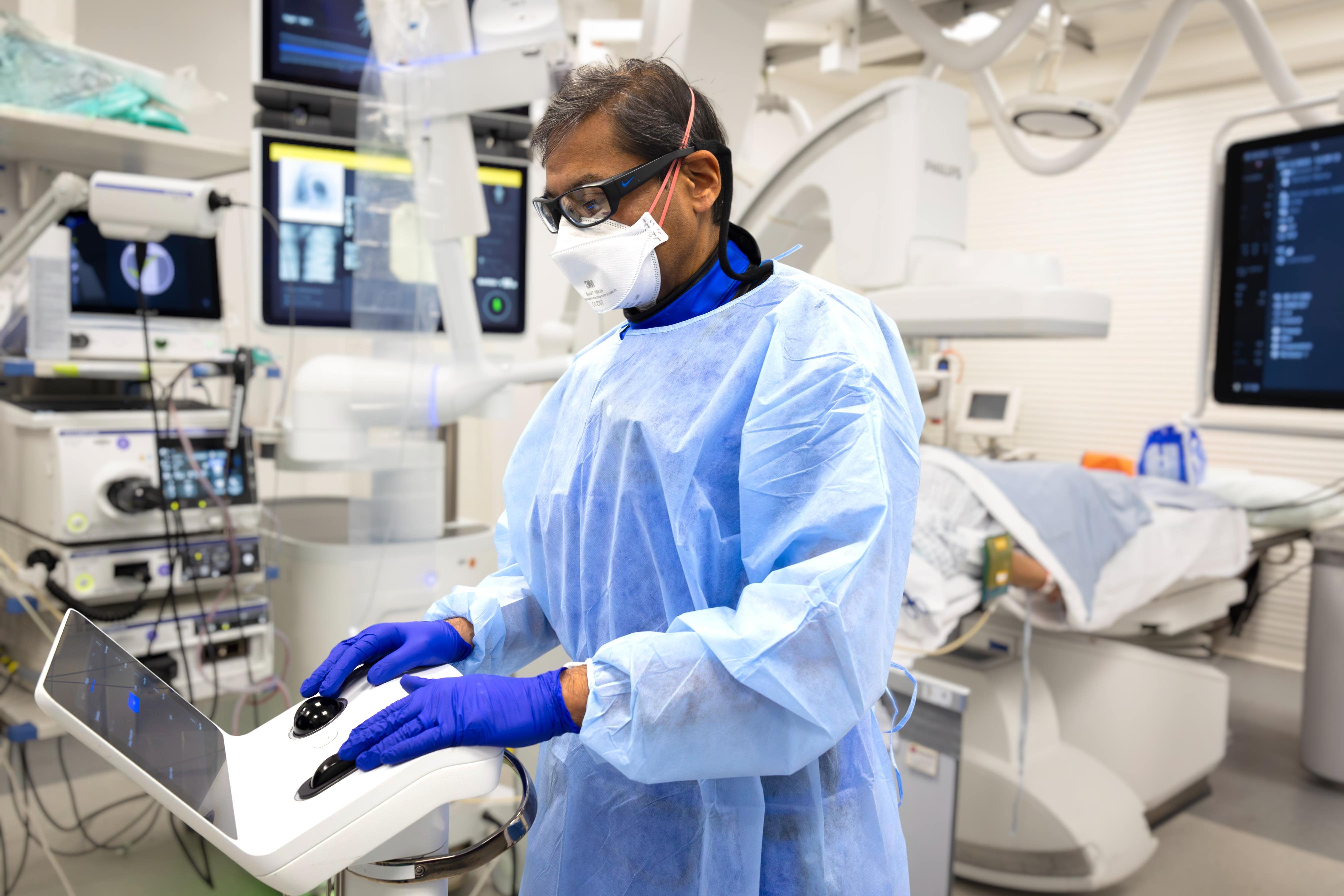
The method uses artificial intelligence to identify abnormal spots or nodules, followed by the use of robotic catheters to take precise biopsies. Robotic biopsies have been performed on 300 patients so far, 215 of whom are continuing cancer treatment.
Health Secretary Wes Streeting, who previously had robotic surgery during treatment for kidney cancer, said: “The NHS saved my life using robotic technology when I was diagnosed with kidney cancer.”
Mr Streeting added that the pilot would catch cancer earlier and replace “weeks of invasive testing with a single targeted procedure”.
Experts at Guy’s and St Thomas’s NHS Foundation Trust have already tested the method on hundreds of patients; The new pilot is expected to include an additional 250 patients.
There are also plans to expand the procedure to King’s College Hospital NHS Foundation Trust and Lewisham and Greenwich NHS Trust.
The procedure uses artificial intelligence software to analyze lung scans and flag nodules. Doctors then take precise biopsies directly from the nodule using a robotic catheter, which are then analyzed in the laboratory to diagnose or rule out cancer.
These nodules may not be detected during a scan and may be difficult for doctors to reach to take a biopsy, causing patients to wait for repeat scans to see if they have grown.

Mr Streeting said: “Lung cancer is one of the biggest killers in the UK and this pilot will help catch cancer earlier by replacing weeks of invasive testing with a single targeted procedure.
“For patients anxiously awaiting answers, this speed and precision can be life-changing.”
Lung cancer is the third most common cancer in the UK, with more than 49,000 new diagnoses and around 33,000 deaths each year.
Trials of targeted lung cancer screening began in 2019, and the program will be rolled out nationally in 2023. More than 1.5 million people have been screened since it started.
While officials estimate screening could detect up to 50,000 cancers by 2035, with at least 23,000 of them at an earlier stage, the expansion of the program will welcome an additional 1.4 million people next year alone.
The pilot comes as the government hopes to expand the use of AI in healthcare and “make the NHS the most AI-powered healthcare system in the world”.
Last September Mr Streeting said: “The AI revolution is here and we are equipping our staff with the latest groundbreaking technology so patients can receive faster, smarter care.
“This government is restoring the UK’s position as a technology superpower by encouraging vital investment and economic growth while building an NHS fit for the 21st century.”
Professor Peter Johnson, NHS England’s national clinical director for cancer, said: “Our lung cancer screening program means we are detecting more cancers at an earlier stage than ever before, and by combining artificial intelligence and robotics in this ground-breaking NHS pilot programme, we are bringing cutting-edge technology to give clinicians a clearer look inside the lungs and support faster, more accurate biopsies.
“This is a look into the future of cancer detection.”


