Virgin follows Qantas on fuel, but impact is lower

Australia’s second-largest airline followed Qantas in reducing travel capacity and increasing airfares following conflict in the Middle East.
But Virgin Australia is more confident about the effectiveness of its fuel hedging, despite facing rising costs of $30-$40 million in the second half of the financial year.
On Tuesday, Qantas announced its second-half fuel bill would rise by $800 million to $3.3 billion.
Virgin Australia also said fare increases and capacity cuts would help maintain earnings and left its profit outlook unchanged.
The carrier, which will report financial 2026 results in August, still expects underlying earnings in the second half to be higher than the previous half, when it reported annual earnings of $664.4 million.
“In FY26, the group continues to experience strong customer demand; high fuel costs have been greatly reduced thanks to effective fuel hedging and recent airfare and capacity adjustments,” Virgin said in a stock exchange statement on Wednesday.
For the remainder of the financial year, Virgin has 92 per cent hedge on Brent crude and 71 per cent hedge on refining margins.
This means that risk is limited to the unhedged portion of crude oil and refining margins.
In contrast, Qantas said it retained 90 per cent of its exposure to crude oil costs but remained exposed to the cost of converting crude oil into jet fuel.
Refining costs rose from US$20 per barrel to as high as US$120 in February, when the conflict began.
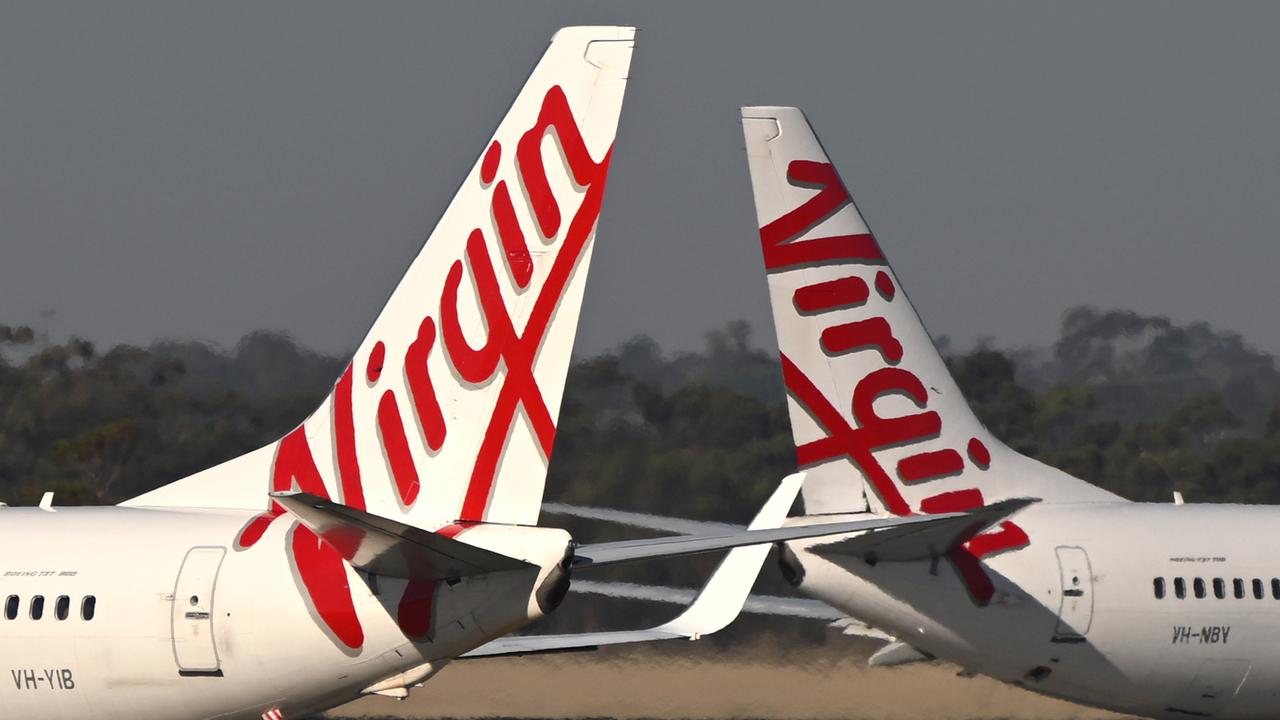
Like all airlines, fuel is one of Virgin’s highest costs.
In the first half, fuel accounted for 21 percent of total operating expenses, equivalent to 3.4 million barrels of oil consumed at a cost of approximately $555 million.
“To offset the impact from other operating costs such as increased fuel and airport charges, Virgin Australia has adjusted airfares and capacity in the current half.”
Domestic capacity will fall one percent in the June quarter, but will still be one percent higher in the second half.
At the same time, revenue per available seat kilometre, a key measure of how much money is generated for each seat, will rise five per cent in the second half and six per cent in the June quarter.
Looking ahead to the new financial year, Virgin said continued volatility means capacity setting will continue to be reviewed.
“The group continues to monitor the external environment and remains flexible to take further action if necessary,” he added.

Australia’s Associated Press is the beating heart of Australian news. AAP is Australia’s only independent national news channel and has been providing accurate, reliable and fast-paced news content to the media industry, government and corporate sector for 85 years. We inform Australia.


