Palestine Action activists who ransacked a Barclays bank could be jailed as terrorists

A group of Palestine Action activists who caused more than £200,000 in damage in an attack on a Barclays bank branch could be punished as terrorists, it has been revealed.
Brendon O’Hagan, 28, Amanda Kelly, 31, Mohammed Malik, 26, Hmeera Atiqnisar, 31, and Alma Yaniv, 70, were convicted of criminal damage last month after they targeted the bank in St James’s Street, Burnley, on August 5, 2024.
During the trial at Preston Crown Court, activists gave evidence of their links to Palestine Action and told jurors the 2am attack was designed to pressure Barclays to withdraw financial support for arms manufacturer Elbit Systems.
Judge Philip Parry is expected to decide whether he should rule the crime had a “terrorist connection” when sentencing the five defendants in September, according to documents seen by the Press Association.
Palestine Action was banned as a terrorist organization in July 2025 and has been behind a series of direct action protests targeting Elbit over the firm’s supply of equipment to the Israeli army.
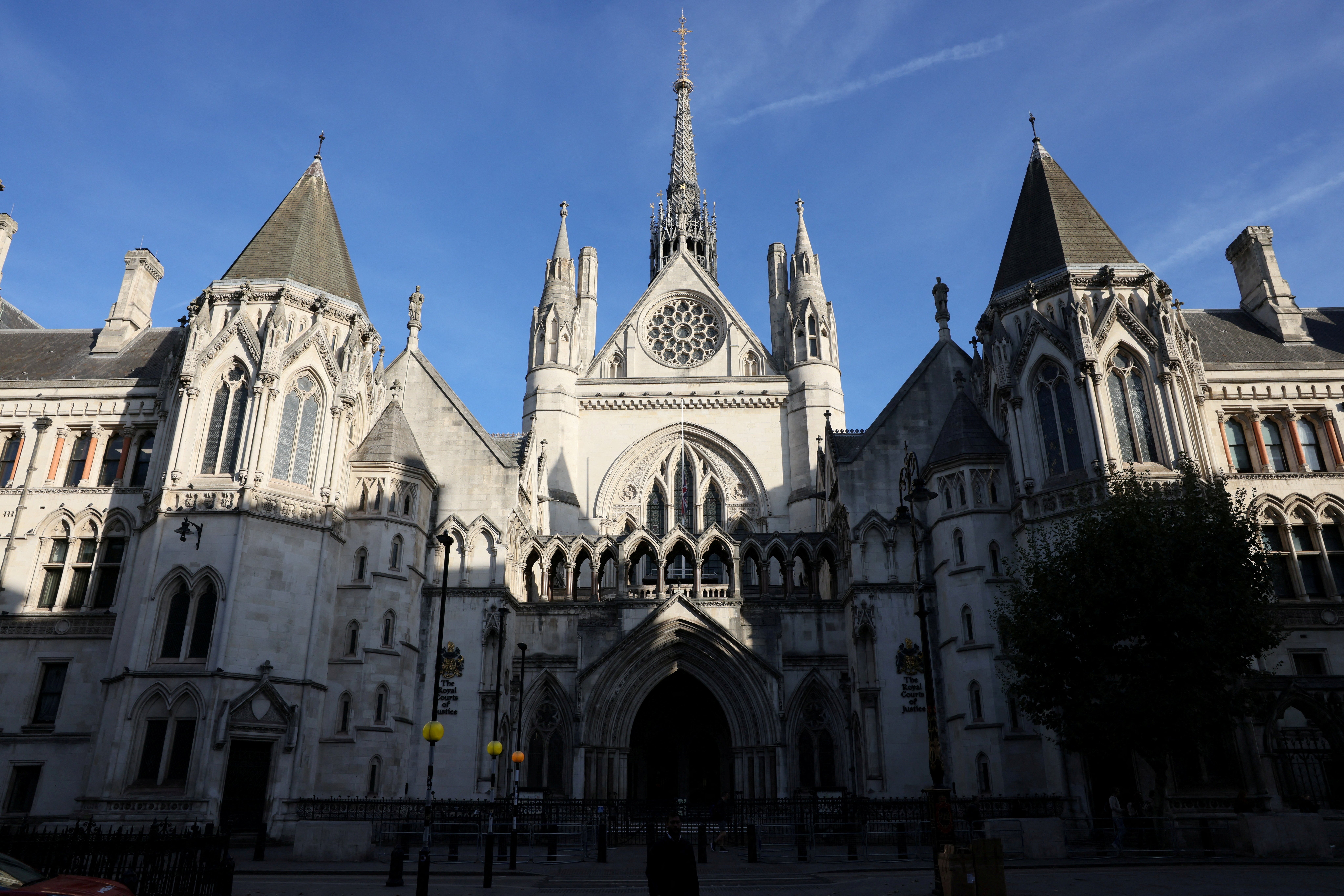
In May this year, a judge at Woolwich Crown Court ruled that Palestine Action activists who caused £1.2 million in damage in a raid on Elbit’s factory near Bristol should be punished as terrorists.
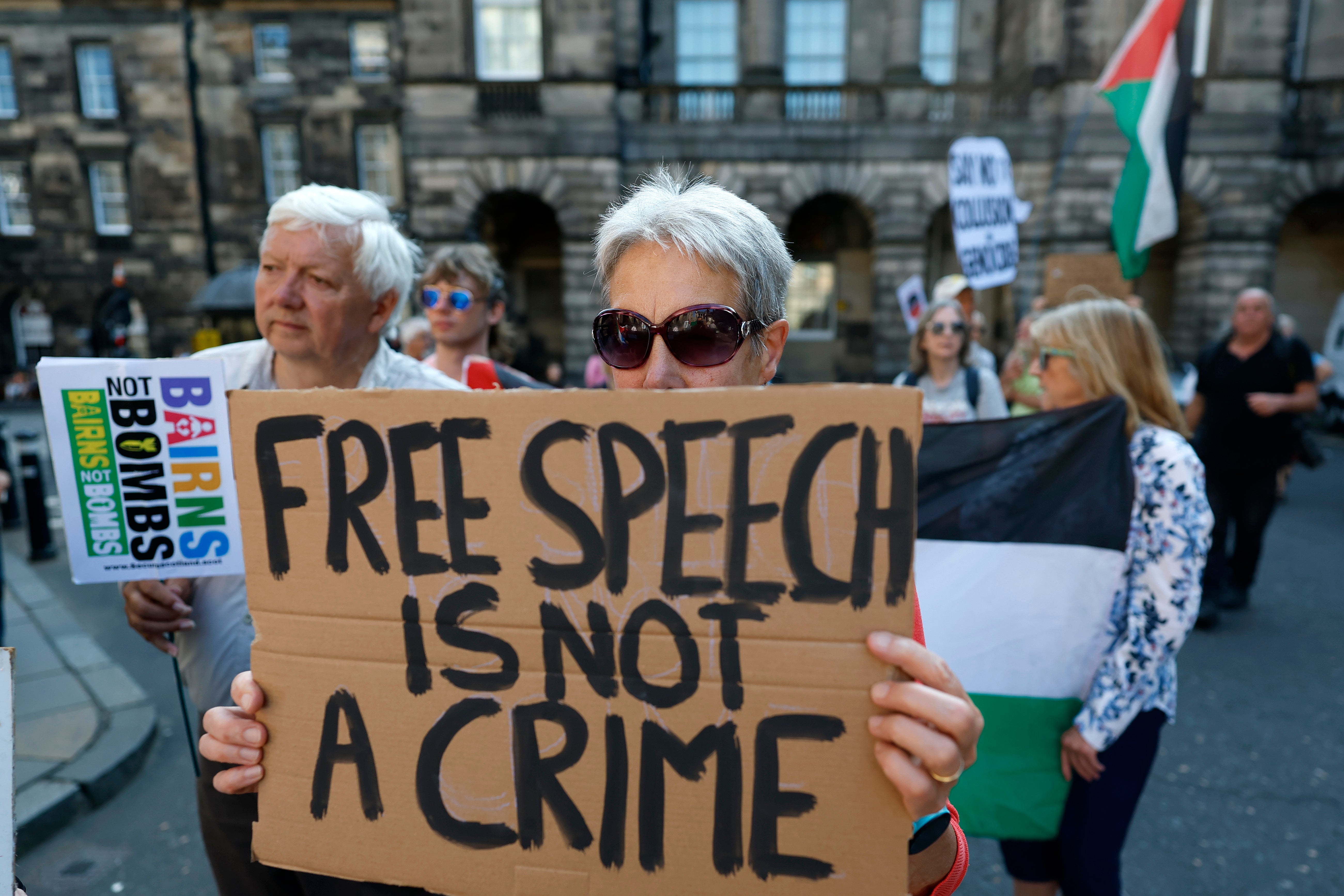
Campaign group Liberty described news of a possible second “terrorist verdict” in Preston as “extremely worrying”, while Green Party leader Zack Polanski said activists’ supporters had warned the Woolwich verdict would “set an extremely dangerous precedent”.
“Just a month later, these fears are already starting to come true,” he said.
“Spraying red paint on a Barclays branch because of its investments in Israel’s largest arms company, which is weaponizing genocide against the Palestinian people, is not terrorism.”
All the defendants, except Yaniv, said at their trial that they were either closely affiliated with Palestine Action or were full-fledged members, that they had attended a training session on direct action, and that the attack on the Barclays branch was part of a wider campaign by the group to put pressure on the bank over its financial ties to Elbit.
They were masked and armed with hammers when they carried out the attack; They filmed their actions and distributed them to the public, causing £212,805.14 worth of damage.
Judge Parry is understood to have specifically cited the Woolwich judgment when asking for an opinion on the possible terrorism link.
If convicted as terrorists, activists would face longer prison sentences, automatically lose their right to early release, spend a longer period on license, and be subject to police surveillance.
His lawyers will argue that the attack on the bank was not serious enough to qualify as an act of terrorism and that the alleged terrorist connection should have been raised earlier in the case.
Liberty chief executive Akiko Hart said the development in the Preston case had raised fears that “terrorism laws were being used to target protesters”.
“The line between direct action and terrorism is becoming dangerously blurred, and this confusion will leave many people afraid to stand up for what they believe in,” he said.
“When it is not clear what counts as terrorism, public trust collapses and if there is no trust, anti-terrorism laws will not work.
“There is an urgent need to update the current definition of terrorism to ensure that current and future governments can fulfill their duty to protect the public and national security, while protecting people’s rights and preventing excessive abuse.”
In the Woolwich case, Mr Justice Johnson ruled in the early stages of the case that the attack on the Elbit factory had a “terrorist connection”, but the decision was not made public following objections from the defendants.
In the Preston case, the possibility of a “terrorist affiliation” verdict did not arise until the jury reached a guilty verdict on the criminal damage charges.
After the defendants were found guilty on June 15, Judge Parry granted them bail until their sentencing hearing, scheduled for September 4.


