Andrew Mountbatten-Windsor: How the royal family is weathering its worst crisis in decades

The king’s brother was arrested.
Police were searching two royal properties, and news commentators were endlessly discussing a scandal with tentacles reaching all the way to the gates of Buckingham Palace.
Meanwhile, King Charles sat front row at London Fashion Week, Queen Camilla attended a concert and the Princess Royal visited a prison.
The decision to resume royal duties was more than an example of British stoicism in the face of the monarchy’s biggest crisis in 90 years. It was the opening act of the House of Windsor’s fight for survival, as the arrest of the former Duke of York threatened to undermine public support for the monarchy.
Charles has vowed to support the police investigation into Andrew Mountbatten-Windsor’s relationship with pedophile Jeffrey Epstein.
He emphasized his intention with a short statement.
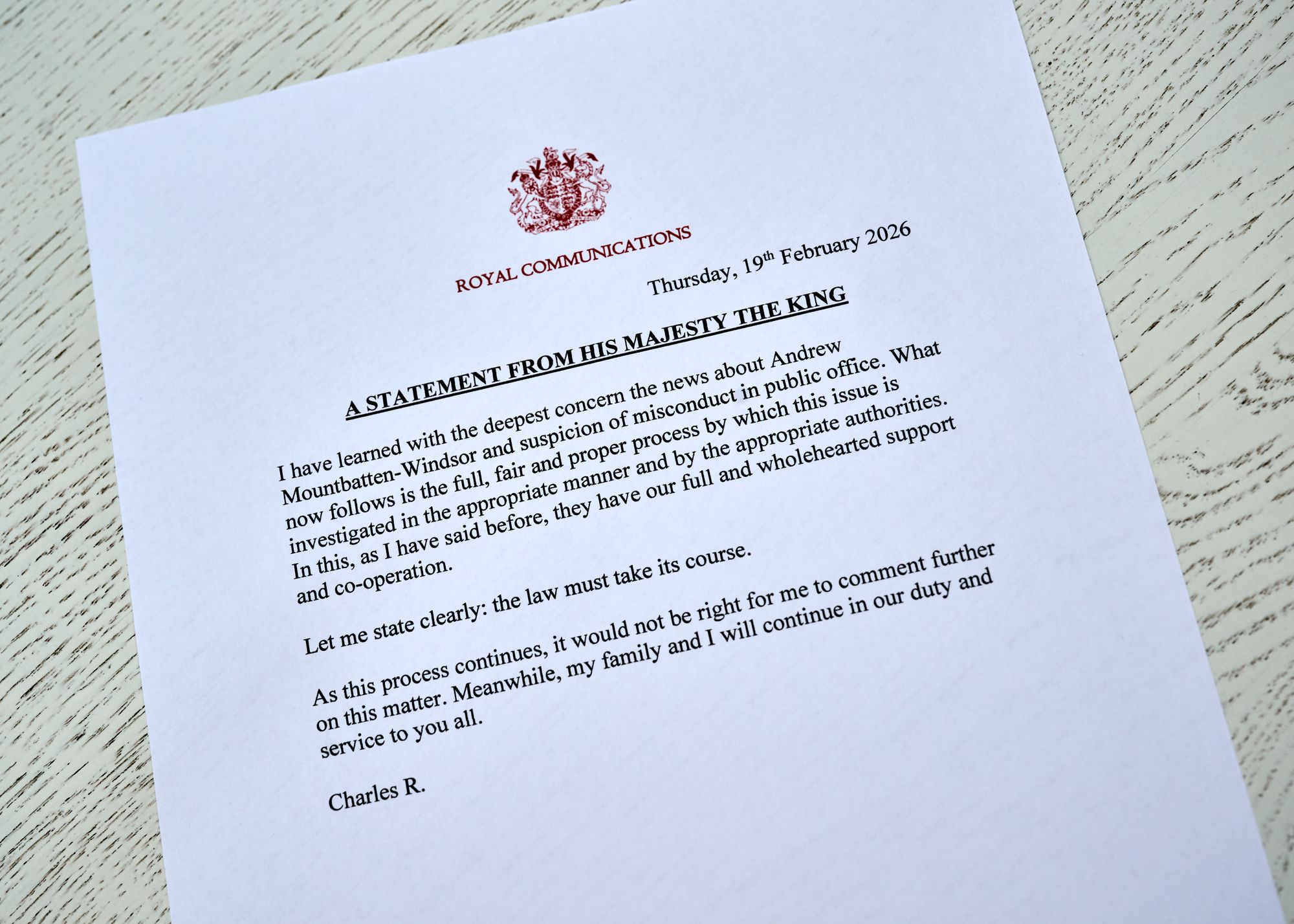
“My family and I will continue our duty and service to all of you,” he said.
He signed “Charles R.”, using the abbreviation for Rex, the Latin word for king.
Greatest crisis since the abdication in 1936
The fact that Charles even made this statement showed the extent of the problem created by the arrest of the king’s 66-year-old brother, who was detained for 11 hours and then released pending investigation, meaning he was neither charged nor exonerated.
The event was so unprecedented that commentators had to reach back to the 1640s and the arrest and execution of King Charles I during the English Civil War to find a parallel.
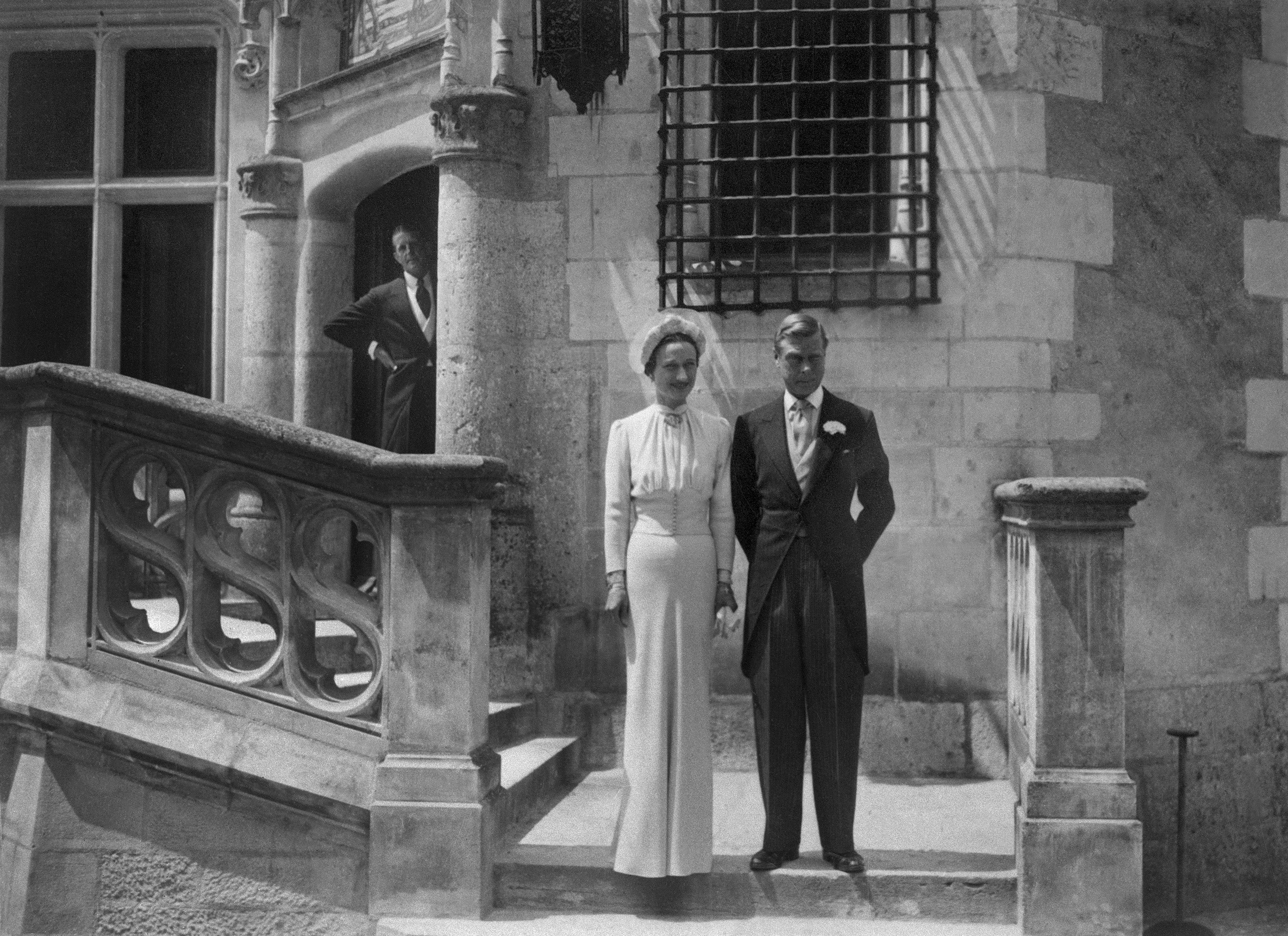
Mountbatten-Windsor’s arrest on suspicion of abuse of public office is set to be the monarchy’s biggest crisis since Edward VIII abdicated in 1936 to marry American divorcee Wallis Simpson.
This scandal weakened public support for the monarchy, which has not fully recovered for 15 years. The reversal came only after Edward’s successor, King George VI, refused to flee Britain during the Second World War, showing his solidarity with a nation devastated by Nazi bombs.
Queen Elizabeth II Even before she ascended to the throne, Elizabeth followed in her father’s footsteps and devoted her life to serving Britain.
But while the impact of Edward’s abdication lasted for years, the crisis came to a head within a few days. And in this case the solution was relatively simple: Edward stepped aside and his eldest brother took his place.
In contrast, the drama surrounding Mountbatten-Windsor continues, with no end in sight.
There is no clear route forward
The current crisis stems from revelations about the relationship between the former prince and Epstein, which came to light when the US Justice Department released millions of pages of documents related to its investigation of Epstein in February.
Police have previously cited reports that Mountbatten-Windsor sent business information to wealthy investor Epstein in 2010, when the former prince was Britain’s special envoy for international trade.
At least eight British police forces said they were investigating the issues raised in the documents.
Compared to previous royal scandals, “there doesn’t seem to be a clear path forward this time,” said author Ed Owens. After Elizabeth: Can the Monarchy Save Itself?
There is “no plan to follow” on how the monarchy and related organizations are dealing with the allegations.
The last time the monarchy had to answer such questions was after the death of Charles’ ex-wife Princess Diana. Elizabeth and Charles were criticized for failing to respond to growing public grief as tens of thousands of people flocked to Kensington Gardens to lay flowers outside the late princess’s home. Some even called for Charles to abdicate in favor of his son William as heir to the throne.
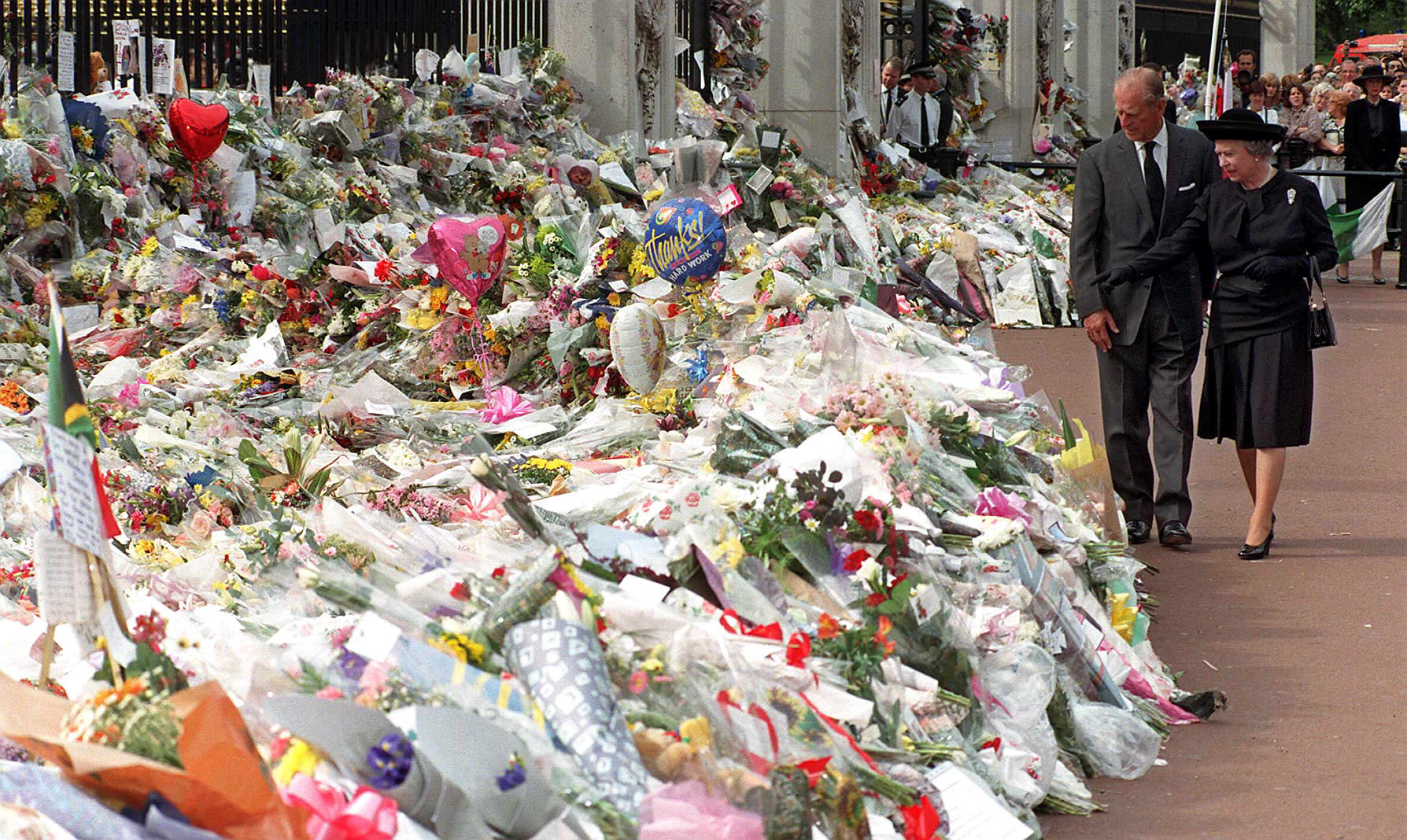
The Queen then commissioned focus groups to better understand the public mood and determine why people felt so strongly about a person they had never met. The crisis forced the royal family to realize that Diana’s common touch connected with people in a way that the House of Windsor had not yet considered.
These lessons have since inspired other royals, including Diana’s sons Princes William and Harry, to be more informal and approachable.
But this moment is a little different because it comes at a time when people are demanding transparency from their leaders in a rapidly changing media environment.
disturbing questions
Moving forward also means confronting uncomfortable questions about what the institution and family members knew about Mountbatten-Windsor’s activities.
The palace attempted to draw a bold line between the former prince and the rest of the monarchy by stripping him of his titles, including the right to be called a prince.
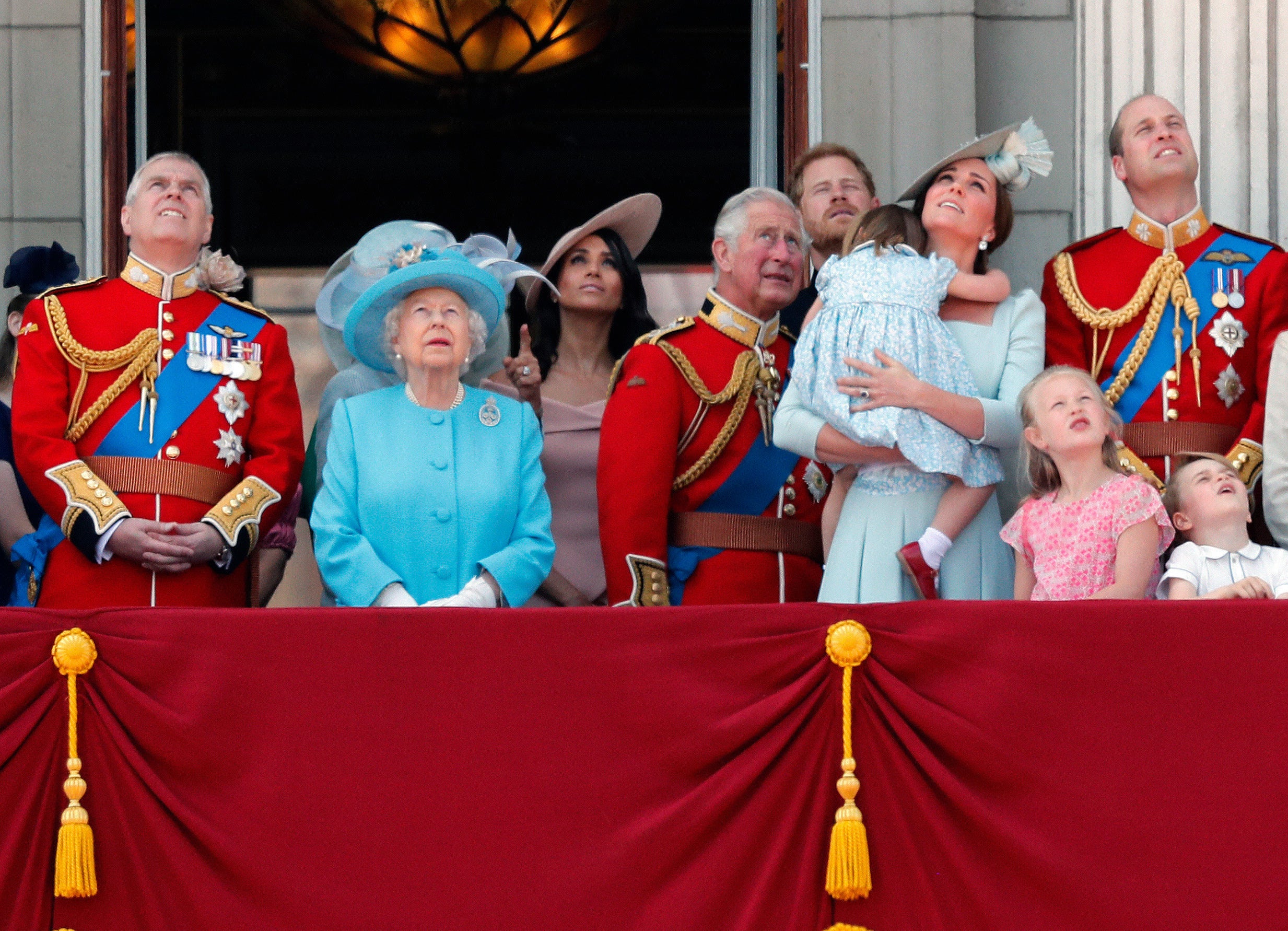
In another blow to the former prince, the British government is considering formally removing him from the crown prince. Andrew remains eighth in line to the throne, although he loses his status and dignity. This can only be changed by legislation.
Royal expert Craig Prescott, of Royal Holloway, University of London, said Charles was the first monarch “who had to live up to our expectations of figures in public life, which is to be accountable and explain himself”.
“And you always have to work to win the support of the public. It’s particularly challenging when you’re faced with a debate like Andrew Mountbatten-Windsor.”
Critics suggest the monarchy has been slow to respond to pressure, given Mountbatten-Windsor’s links to Epstein have been discussed for more than a decade.
The BBC’s former royal correspondent Peter Hunt said the best outcome for the monarchy was for the police investigation to focus solely on the information in the Epstein files and their relationship with Mountbatten-Windsor. The worst outcome would be for the police to broaden their investigation to include what the wider body could have known and when.
Hunt told the BBC: “Have questions been asked about his behavior as a trade ambassador over these 10 years? Have they been answered? What have people made of them?”
And perhaps there is still much to learn.
“Will there be files?” he asked.


