‘Cost of rent day’ looms for English renters as income swallowed by soaring housing costs

Tenants across the UK are currently reaching “cost of rent day”, a serious financial milestone when the equivalent of more than four months’ worth of income is swallowed up by rent payments.
Campaign groups Generation Ren and Renters’ Reform Coalition are calling for immediate action to “put the brakes on” rising rent prices.
This “cost of the rent day” marks the point at which, on average, all of a tenant’s annual income earned to date is consumed by payments to landlords.
The calculation relates the average percentage of income spent on rent to the same percentage for the calendar year.
Office for National Statistics (ONS) figures show that private renters with average household incomes typically spend around 36 per cent of their earnings on an average-priced rental home in England.
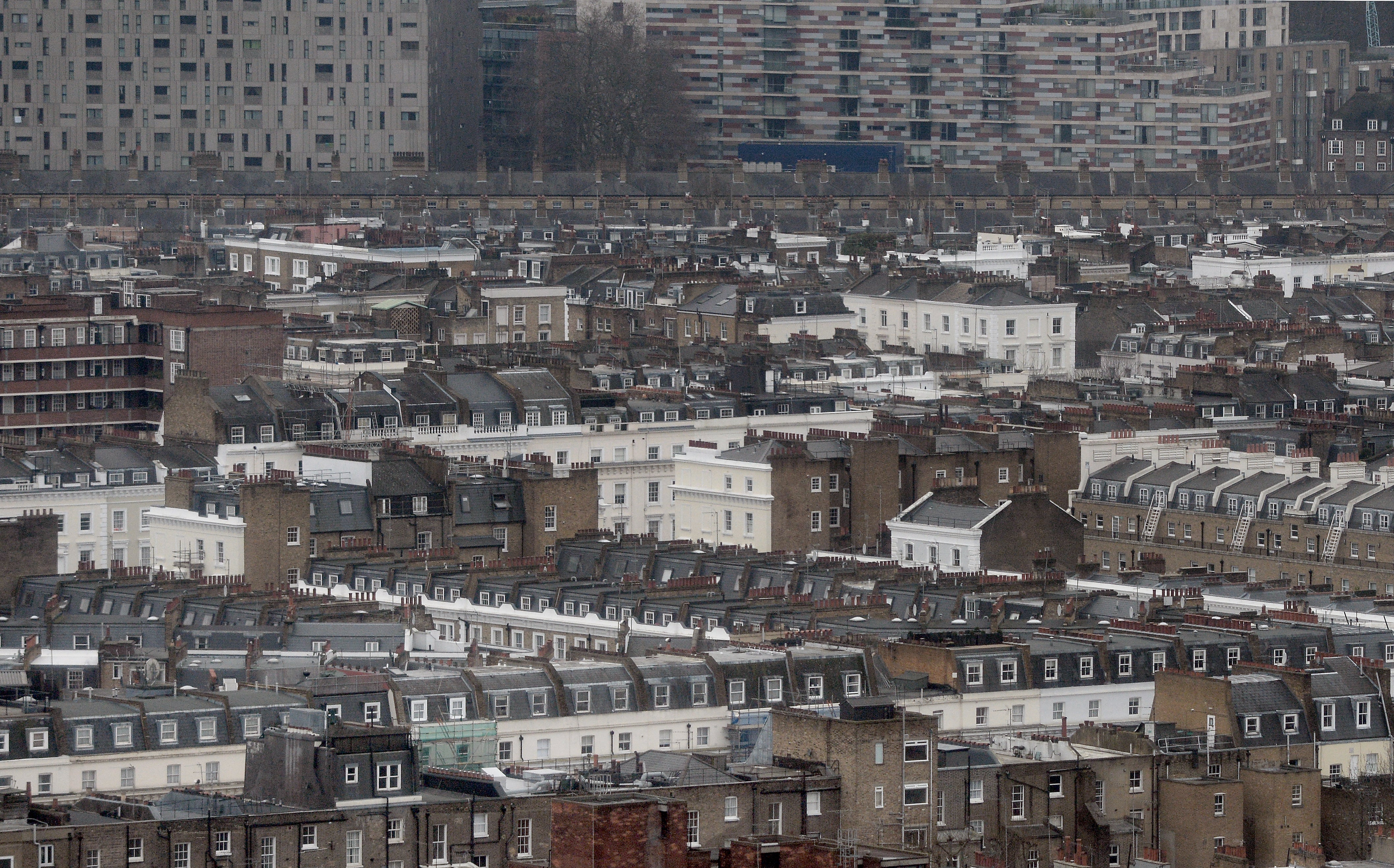
In some large cities, the financial burden is even more serious. Tenants in London, for example, often don’t hit “rental cost day” until June 2, while those in Bristol face a wait until June 13.
In the London boroughs of Kensington and Chelsea, that critical date is significantly further extended and will not arrive until September 26, according to the analysis.

Ben Twomey, CEO of Generation Rent, said: “Homes are the foundations of our lives.
“But when we have to spend so much of our income on rent, it means children going to school hungry or elderly tenants who can’t afford to turn on the heating.
“High rents trap people into homelessness and drain money from local communities.

Get a free partial share of up to £100.
Capital is at risk.
Terms and conditions apply.
ADVERTISING
Get a free partial share of up to £100.
Capital is at risk.
Terms and conditions apply.
ADVERTISING
“It’s not right that landlords consume more than four months of our income each year.”
He added: “In some of our major cities, tenants face the most devastating costs.
“The government must urgently give metropolitan mayors the power to curb rising rents by limiting rent increases.”
In England, reforms introduced by the Government in April gave private tenants a range of stronger protections, including fairer rent rules; Landlords can only increase rents once a year, and tenants can object to increases they believe are unfair.
The Tenant Rights Act also signals the end of “no-fault” evictions in Article 21; This means private landlords cannot evict tenants without a valid reason.
Clara Collingwood, director of the Tenants Reform Coalition, said: “Although Section 21 evictions have finally been banned in England, unaffordable rent increases for many tenants will have exactly the same effect, forcing people out of their homes and communities.
“The government needs to take real steps to make renting more affordable and curb out-of-control rents – relying solely on house building will not get the job done.”
Campaigners quoted one London tenant as saying: “Both my husband and I work full time, even working other jobs at the weekends, but we have no money left at the end of each month.
“The tale of working hard to buy a house is over.”
The research was published as a separate report from the Institute for Public Policy Research (IPPR); It is estimated that 2.4 million households in the UK’s private rented sector face unaffordable housing costs.
The IPPR has warned that this number could rise to 2.5 million by the end of the current parliament.
It is estimated that three-quarters of working-age renters are in working households with affordability challenges.

Unaffordable housing costs were defined as households spending 30 percent or more of their after-tax welfare income on rent.
The report argued that recent global shocks such as inflation and rising interest rates are reflected directly from homeowners to tenants.
The think tank recommended that rents could be stabilized by annual rent increases limited to a “double lock” of inflation or wage growth, whichever is lower.
IPPR senior research fellow Dr. Maya Singer Hobbs said: “Millions of renters are being pushed to the brink by a housing market that isn’t working for them.
“This is no longer a marginal issue affecting a small group; it is a mainstream cost-of-living crisis affecting working households across the country.
“Without action, things will get worse. The current system exposes tenants to global shocks and rising costs they can’t control.”
A Department of Housing, Communities and Local Government spokesman said: “Our Tenants’ Rights Bill gives millions of tenants stronger rights and greater security in their homes.
“This includes stronger powers to counter rent increases above market rate, meaning landlords can live without fear of unfairly increasing rent.”
Here are some typical estimated costs of rent days in selected cities and towns, according to Generation Rent’s calculations, which show how the proportion of income absorbed by rent varies significantly in different places:
- Bristol, 13 June
- Brighton and Hove, 6 June
- London, 2 June
- St Albans, 30 May
- Manchester, 15 May
- Oxford, 15 May
- Warwick, 11 May
- Solihull, 11 May
- Leeds, 11 May
- Cambridge, 11 May
- Bournemouth, Christchurch and Poole, 8 May
- Stratford-on-Avon, 8 May
- York, 4 May
- Exeter, 4 May


