Energy bills set to rise by £209 from July as experts issue dire winter warning

Households are facing a significant increase in energy bills starting from July; forecasts suggest the price ceiling will increase by £209 per year, which is partly attributed to the effects of the Iran war.
Experts also warned that a “payment shock” is approaching as autumn approaches and energy demand increases.
Energy consultancy Cornwall Insight predicts Ofgem’s cap for a typical dual-fuel home will reach £1,850 between July and September.
This represents a 13 per cent increase on the annual limit of £1,641 in April; slightly higher than the 12 percent estimated last month.
But fears are rising about the financial pressure on households when the cap is reviewed again in October, coinciding with a rise in energy consumption as temperatures fall.
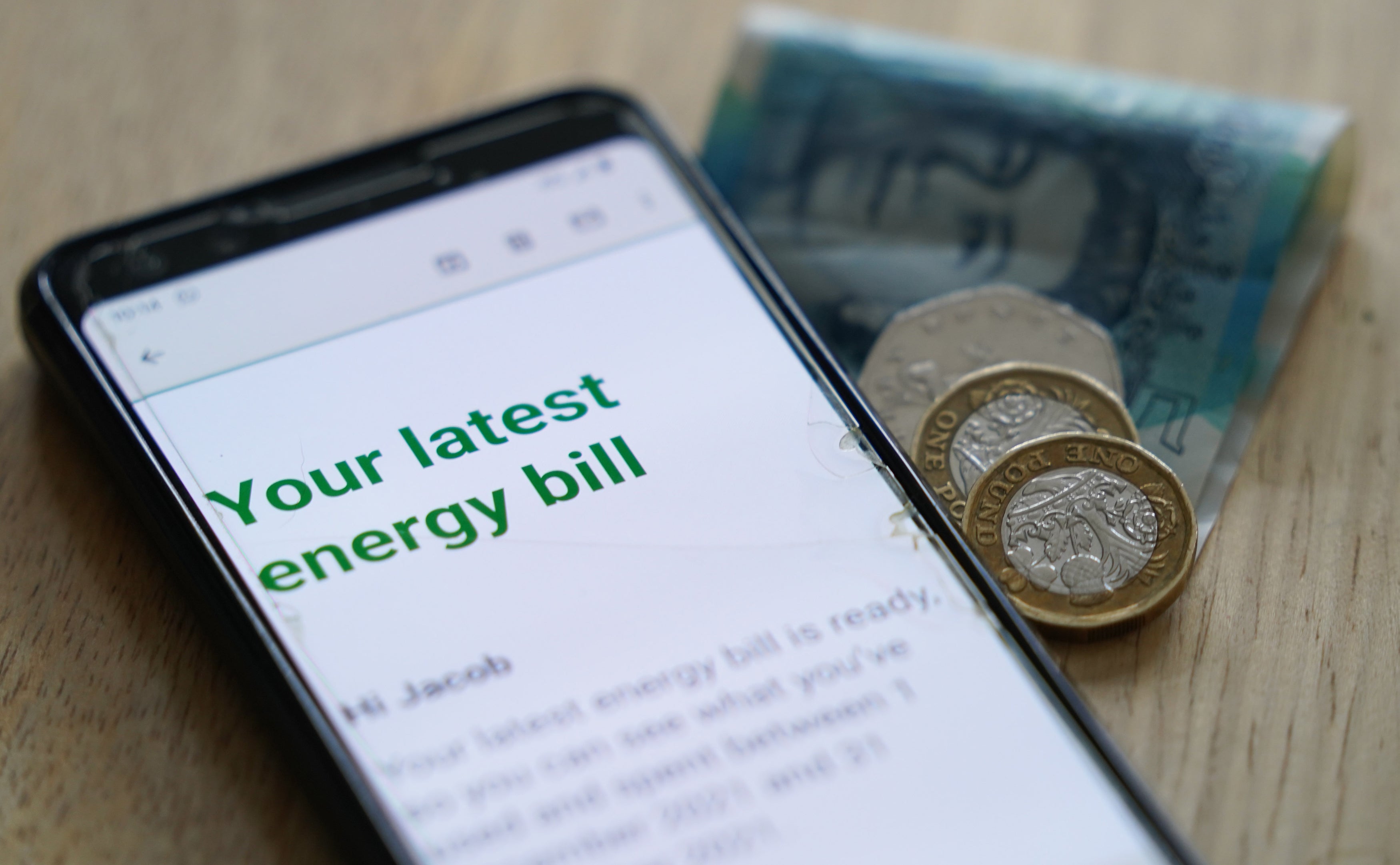
This has led to growing calls for the Government to outline specific actions to support the most vulnerable.
The statement said: “While households will naturally be disappointed by the increase in the summer months, the impact will diminish as household energy use typically declines during the warmer months.
“The biggest concern is October when demand picks up again and current forecasts point to a ceiling level similar to July.
“While the October cap will depend on how the conflict in the Middle East develops, even if the conflict were to end tomorrow, the physical damage to infrastructure and the ongoing impact of supply disruption means a fall back to April price ceilings in the autumn is unlikely.”
Ofgem adjusts the price cap every three months and will announce the next level for July to September on 27 May.
Wholesale markets have been highly volatile since the Middle East conflict began at the end of February; Cornwall Insight predicts that at one stage annual household energy bills could rise by as much as £332 to £1,973 from July.
Energy costs have soared with Iran’s move to block the important Strait of Hormuz shipping route, through which one-fifth of the world’s oil and natural gas is carried.
Craig Lowrey, principal consultant at Cornwall Insight, said: “Over the past few months we have watched our forecasts change from almost no increase from quarter to quarter to a 13% increase in current bills, a change driven by the impacts of the conflict in the Middle East.”
He said that if October’s cap remains similar to July’s level, “then the Government will need to think seriously about targeted support for the most vulnerable”.
Simon Francis, co-ordinator of the End Fuel Poverty Coalition, said: “If bills remain high as the heating season begins, millions of households who are already in energy debt or struggling to keep their homes warm will face an extremely difficult winter.
“Households need reassurance and support, not a summer of worry.
“This means the Government must take action to explain what support will be provided before winter.”


