Five million households told to submit meter readings to avoid higher energy bills

Millions of Britons have been urged to submit energy meter readings to avoid paying more bills than necessary as a 13 per cent increase in the energy price cap comes into force.
An estimated 5.3 million households with standard tariffs and no smart meters have been urged to take action to avoid paying for the energy they currently use at new, more expensive tariffs that will apply from Wednesday. Most customers will have up to 14 days to submit a reading after the new price cap.
Ofgem’s price cap sets the maximum amount firms can charge households at standard tariffs per unit of gas and electricity.
According to the new cap, electricity costs for households paying via direct debit will increase from 24.67 pa kWh to 26.11 pence, and gas charges will rise from 5.74 pa kWh to 7.33 pence.
Under the new rates, the average gas and electricity bill is expected to rise by £221 a year to £1,862.
This jump was largely driven by the rise in global energy wholesale prices caused by the conflict in the Middle East.
Uswitch energy spokesman Ben Gallizzi said: “There are two key things to add to your to-do list in the coming days – submit a meter reading and get a cheap fixed energy deal.
“Millions of households should take some time to read their meters at the end of the month to avoid being overcharged for energy due to rising prices from July.”
Minister for Energy Consumers, Martin McCluskey, said: “We know families are deeply concerned about rising energy bills due to a war we did not choose, and we are determined to fight back to tackle energy affordability.
“The action we took on the budget, which provides an average reduction of £150 on energy bills, is now reflected in future years’ bills.
“We have also expanded the Warm Home Discount scheme, which benefited nearly six million households last winter and will remain in place for the rest of the decade.
“We will continue to monitor the situation ahead of winter and plan for any contingencies, while also doubling down on our clean energy mission to lower bills for good.”
Cornwall Insight said the increase in the cap price was due to recent forecasts suggesting bills would remain high throughout this winter, falling only around 0.5% in October compared to July as the US-Iran 60-day ceasefire helped stabilize wholesale gas markets.
But he warned that conflicting reports on the reopening of the Strait of Hormuz, the uneven progress of peace talks and uncertain timelines for repairing key regional infrastructure meant prices remained high, although less volatile than in the spring.
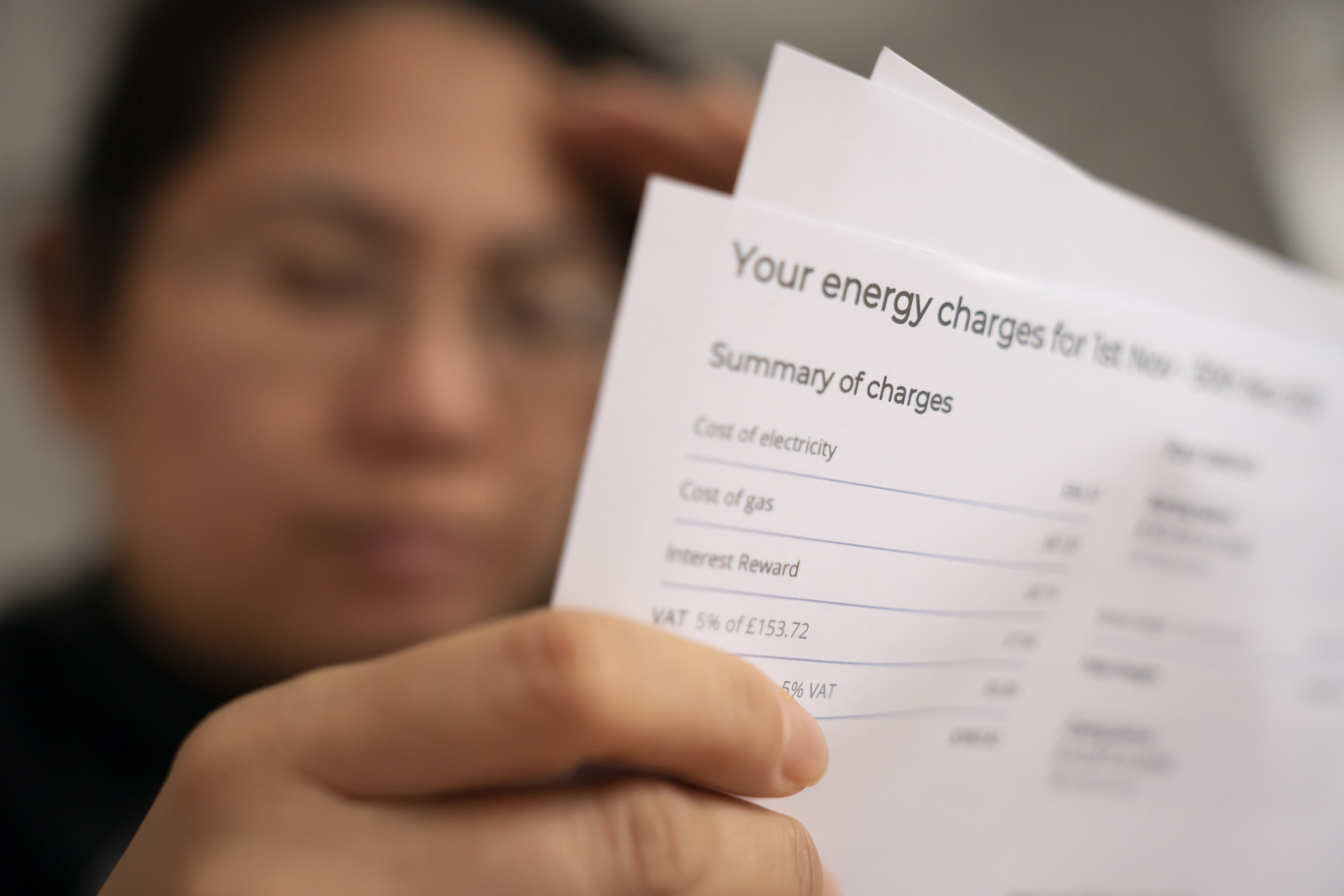
Cornwall said it expects the typical household to face a bill of £1,849 from October.
While Ofgem updated its definition of the typical consumer from July to reflect the decline in household energy use, with the headline figure set at £1,654, Cornwall said this represented a “minor change” on a like-for-like basis.
While higher prices in July will be offset by warmer weather and lower household energy use, the cap in October will increase as people turn their heating back on, creating a bigger impact on household finances.
Prices skyrocketed after Iran responded to US and Israeli attacks by closing the Strait of Hormuz shipping route, through which one-fifth of the world’s oil and natural gas is carried.
Ofgem will announce the next three-month price ceiling level for October-December on 26 August.
It leaves a question mark as to whether the government will launch a targeted energy support for the winter months.
While it’s unclear who the Chancellor will be later this year, cost of living and bill pressures will be at the top of the inbox given the change in leadership following the resignation of Sir Keir Starmer.
Chancellor Rachel Reeves said earlier this year that she would consider some form of support in the autumn if necessary and energy prices remained high.
Even if energy bills do not increase further in October, many people will face payment shock during the winter months unless prices fall.
Figures from Ofgem earlier this week showed debts owed to energy suppliers reached a record level of £4.79bn in the three months to March; 5% increase compared to the last quarter and 15% increase annually.


