GCSE and A-Level exams could be set for major shake-up

A number of GCSE and A-level exams will be able to be taken on screens by 2030, under new recommendations from the exam watchdog.
Proposals presented in the consultation launched on Thursday could see GCSEs in smaller entry subjects, including certain languages, and most A-level exams, except maths, move to screens by the end of the decade.
Ofqual is seeking views on whether each of the four exam boards should be allowed to propose two new specifications for on-screen assessment to replace the traditional pen and paper.
The approval could mean eight new GCSE, AS or A level exams with at least one digital component.
Under the proposals, exam boards would not be able to run screen exams in courses taken by more than 100,000 students a year, which include most GCSE core subjects and A-level maths.
Ofqual chief regulator Sir Ian Bauckham told the Press Association: “If there is to be another on-screen assessment it needs to be done in a way that is managed and in the interests of students, inspires public confidence and, importantly, is workable for schools and colleges.”
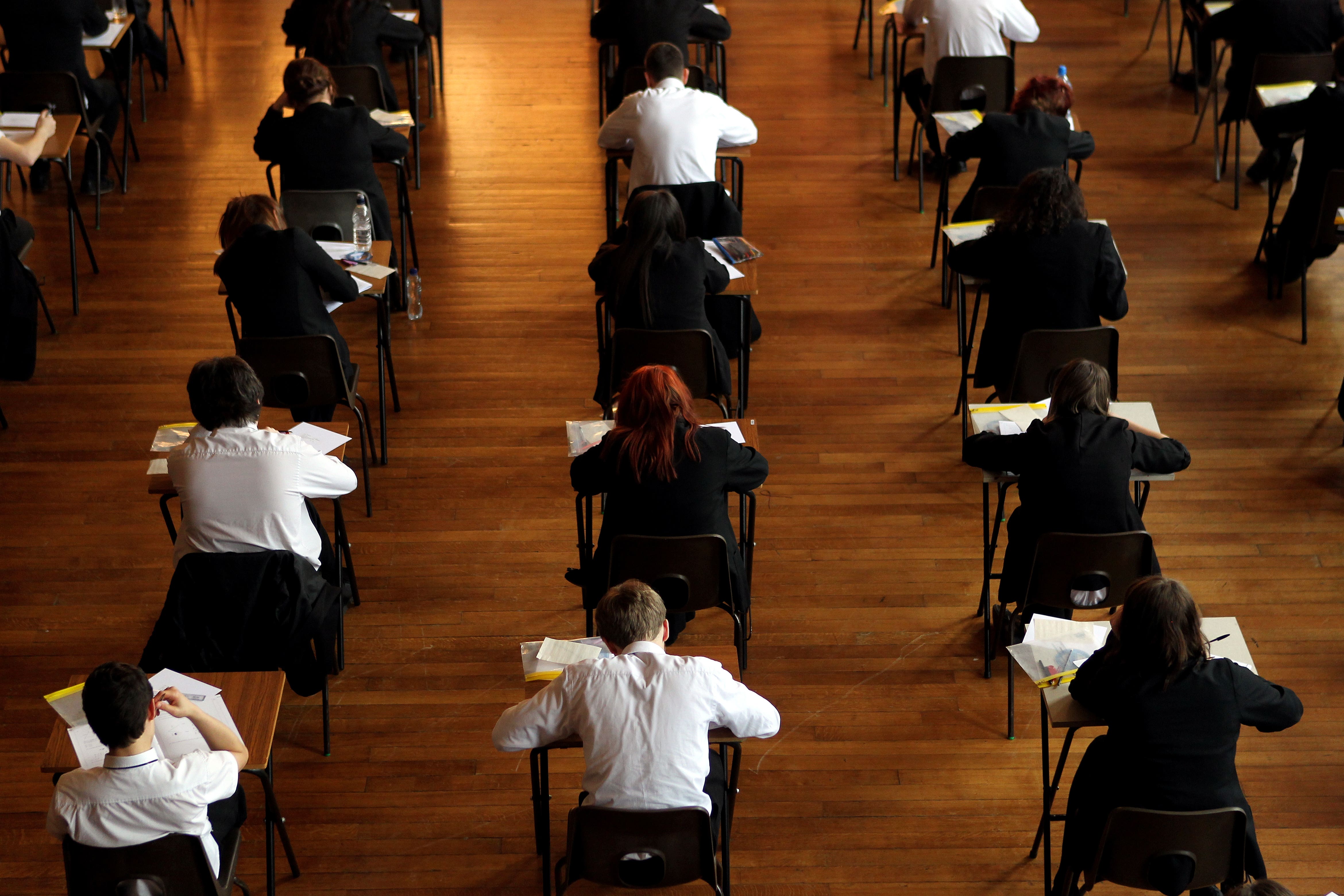
The regulator also suggests that students should be provided with devices to take exams on-screen rather than allowing them to use their own personal phones, laptops or tablets.
Sir Ian said it would not be fair to allow students to use their own devices.
“You have those who have state-of-the-art, flashy Apple Macs, and you have those who have very slow, potentially vulnerable devices,” he added.
Pepe Di’Iasio, general secretary of the Association of School and College Leaders, said: “We are really pleased that Ofqual is exploring the potential for on-screen assessment in the future as there are many potential benefits of using digital technology in exams.
“This would represent a significant change with many practical issues and a measured approach is the right way forward.”
Subjects that will not be eligible for screen exams at this point include A level and GCSE mathematics, as well as GCSE English language, literature, combined science, biology, chemistry, physics, history, geography, religious studies, French, Spanish and business.
GCSE German had just over 32,000 entries in the provisional Ofqual figures for 2025 and would therefore be eligible.
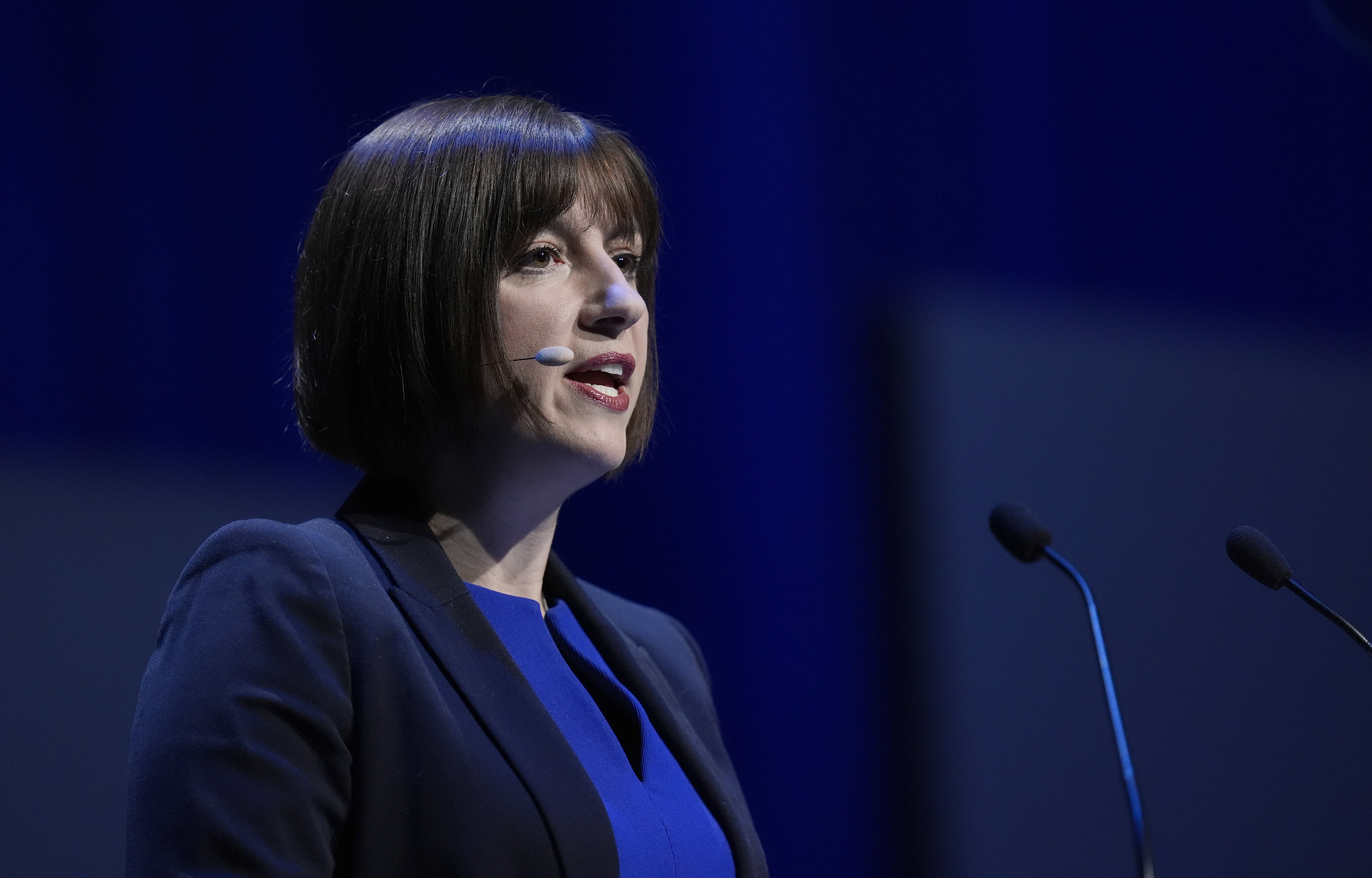
Education Minister Bridget Phillipson said: “Technology is at the forefront of this government’s mission to spread opportunity and modernize our education system.
“We know that interest in on-screen exams is growing and that aligning assessment with an increasingly digital world can provide valuable benefits, including for children with Send.
“But it is also important that any transition is gradual, controlled and, above all, fair. We will continue to work closely with Ofqual and the wider sector to ensure that we maintain the high standards and integrity of our examination system and maintain the trust of schools, families and employers.”
Exam boards will have to ensure that the platform used to deliver any proposed screen exam meets certain criteria under Ofqual’s recommendations.
Consultations regarding the screen exams will continue until March 5. Once the meeting has been completed and responses analysed, a technical consultation will take place to introduce assessment rules before exam boards present potential qualifications.
Ofqual said that if they were approved, the new specifications would ideally be in schools three years before the first exams take place; This means the end of the decade is a “minimum” timeline for the first exams using screens.
Currently, at least some of AQA’s A-level computer science exam, Pearson’s GCSE computer science exam and WJEC’s GCSE computer science, geology and food preparation and nutrition exams are assessed digitally.
Last year Sir Ian told the Press Association that plans to introduce more screen tests should be approached “extremely carefully” until he is confident all schools can carry out assessments fairly.
Three of the major exam boards have put forward proposals to introduce on-screen assessments.
AQA introduced plans in 2023 for the GCSE Italian and Polish reading and listening components to be brought to the screen by 2026, with the hope of at least one major subject to follow by 2030.
OCR had proposed a digitally assessed GCSE in computer science for students starting their courses in 2025, and Pearson Edexcel planned to offer the option of taking on-screen GCSE English exams from summer 2025.
All three of these proposals have been postponed.


