Holidays ‘very likely’ at risk over looming jet fuel crisis, EU energy boss warns

Britons’ summer holidays could be at risk due to low jet fuel stocks due to the war in Iran, the European Union energy chief has warned.
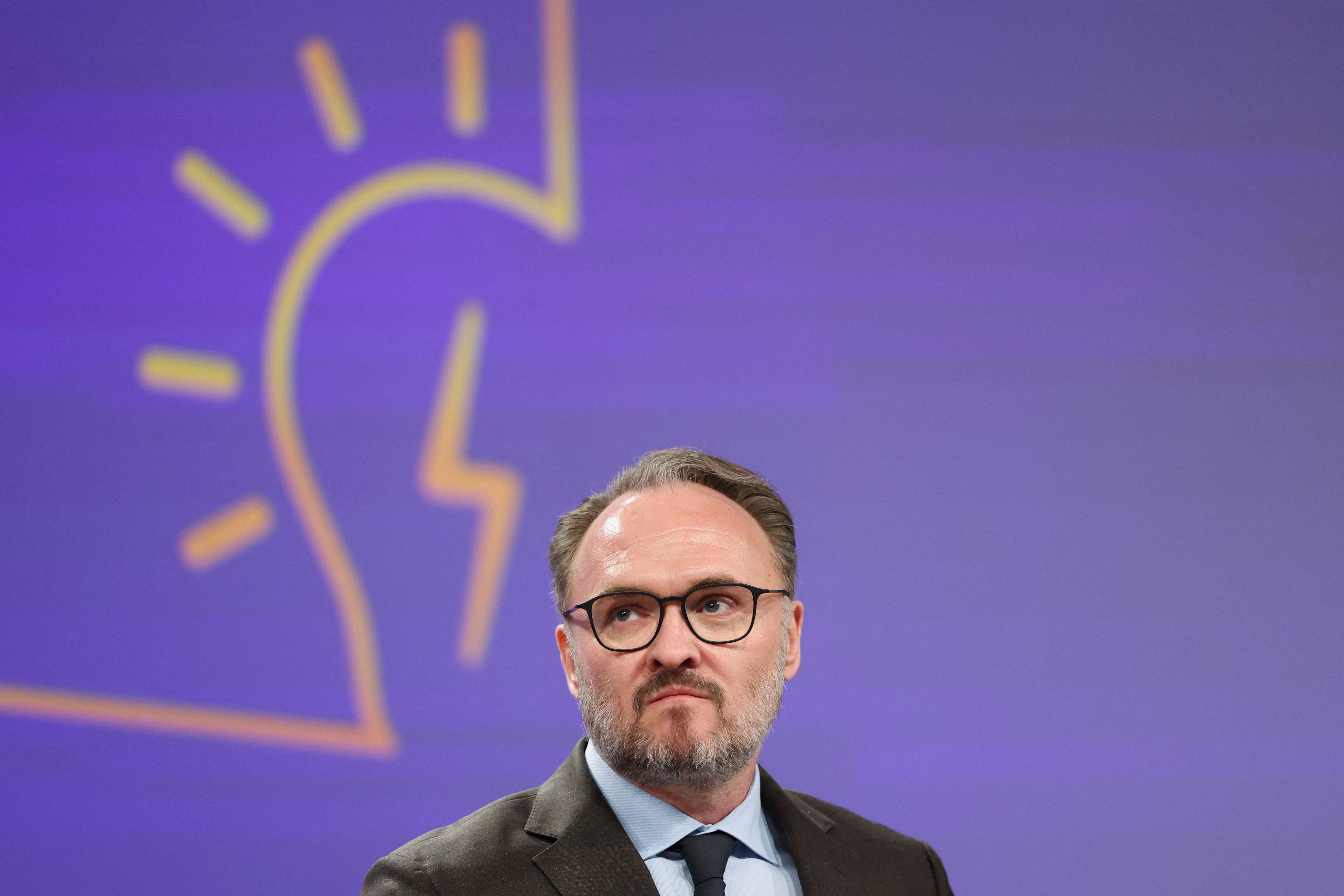
Dan Jorgensen, the EU’s energy commissioner, said it was “very likely” that people’s holidays would be affected by canceled flights or very expensive tickets.
Speaking to Sky News on Wednesday, he said Europe was in a “very serious crisis” that was currently only affecting prices but could soon also affect supply.
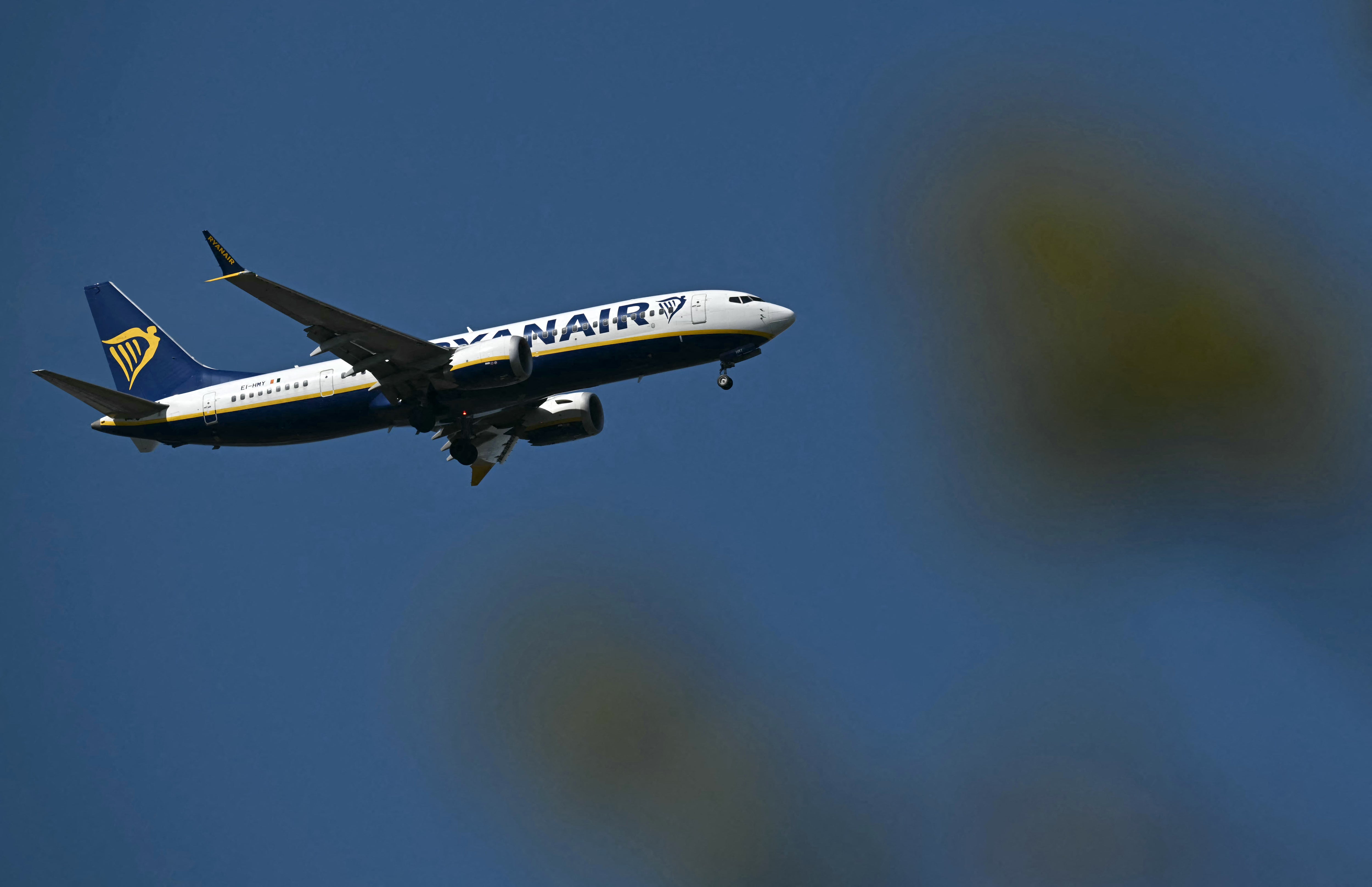
The aviation industry’s fuel stockpile has faced significant disruption due to the inability to move oil through the Strait of Hormuz, its main shipping route.
“Unfortunately, it’s very likely that many people’s holidays will be affected by flight cancellations or very, very expensive tickets,” Mr Jorgensen said.
“Even if we do everything we can, if the jet fuel isn’t there, then it’s not there.”
He added: “[Currently] “This is primarily a price crisis and not yet a supply crisis, but unfortunately if the crisis continues we cannot be sure that we will avoid a supply crisis in the future, especially for jet fuel.”
Mr Jorgensen warned that the price crisis could last “months, perhaps even years”.
Last week, the head of the International Energy Agency, Fatih Birol, warned that Europe had only six weeks’ supply of jet fuel left, fearing it could be “the biggest energy crisis we have ever faced”.
Lufthansa’s airline group also said on Tuesday it had canceled 20,000 flights to protect itself from rising oil costs.
The group operates German flag carrier Lufthansa, its subsidiaries and affiliates such as Swiss, Austrian, ITA, Brussels Airlines, Eurowings and Discover Airlines.
It aims to save 40,000 metric tonnes of jet fuel, which it said has doubled its price, but added that it expects a largely stable fuel supply for the summer schedule.
Ryanair also said it did not expect any fuel shortages in the near term but “cannot rule out risks to fuel supplies at some airports in Europe” if the Strait of Hormuz closure continues into May or June.
This comes as the European Commission on Wednesday proposed a set of measures to address the impact of the US-Israeli war with Iran on the region’s energy markets.
Europe is particularly vulnerable because it imports 30 percent to 40 percent of its jet fuel, at least half of it, from the Middle East.
Simon Calder, travel correspondent IndependentHe said: “Aviation is a low-margin industry. When fuel prices double, flights that are only marginally profitable can lead to huge losses.”


