How reviving old buildings and churches could help UK solve housing crisis

The government could meet almost half its target of building 1.5 million homes by bringing old buildings back into use, a cross-party group of MPs has said.
The House of Commons Culture, Media and Sport Committee said using historic buildings to meet Britain’s housing needs was “no longer a niche or secondary opportunity” but “an important and under-recognised way of addressing the country’s serious housing shortage”.
Estimates from Historic England cited by the committee suggest around 670,000 homes could be delivered through the revitalization of disused and underused old buildings; This will contribute to Labour’s target of building 1.5 million homes by 2029.
The committee’s report, published on Monday after 18 months of work, said a “heritage to housing” scheme similar to Italy’s €1.0 house initiative, as well as tax incentives, could be used to help bring old buildings back into use.
Elsewhere in the report, MPs warned that funding to help preserve heritage structures was fragmented.
The committee said the house of worship refurbishment fund, a new scheme to help keep churches in good repair, should be “at least as generous as its predecessor”.
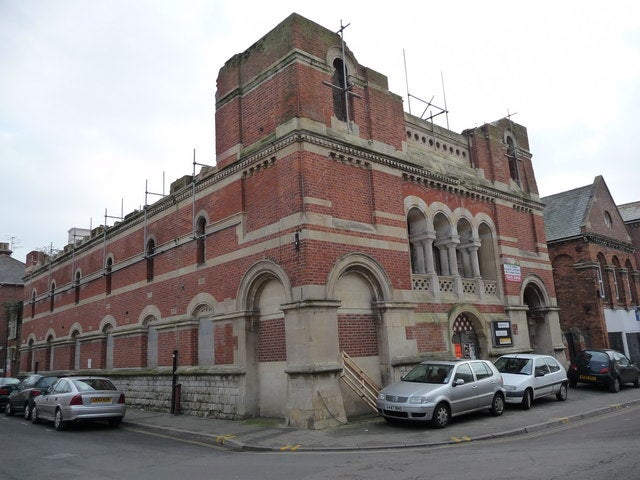
Ministers should also consider introducing targeted VAT relief for the maintenance of listed buildings, the MPs added.
This echoed calls from some church leaders who were concerned that the place of worship refurbishment fund did not include automatic VAT relief for some repairs, as in the old scheme.
The committee also called on the Government to take the lead in preserving historic buildings by renovating dilapidated public properties such as prisons and military bases.
Heritage building skills are inadequate, MPs have warned, adding that it now poses “one of the most serious risks to the long-term preservation of the UK’s built heritage”.
The committee said training pathways were needed to ensure specialist heritage crafts and skills were kept alive.
Dame Caroline Dinenage, Conservative Chair of the committee, said: “Old buildings and other parts of our past play a vital economic, social and cultural role in our communities, but leaking roofs, crumbling brickwork and empty buildings show how the current policy approach to heritage has failed to support its preservation or potential.
“Historic England says there is potential to create 670,000 new homes, but the Government’s approach reveals deep indifference, lacks ambition and is completely lacking in imagination.
“We have heard compelling evidence that the best way to preserve a building is to occupy it, use it, live in it and love it. Other countries with a similarly rich heritage have shown what can be achieved by thinking outside the box.”
“Reuse should be the guiding principle, with housing heritage planning offering a clear win-win by preserving our historic buildings and helping to meet the urgent need for new homes.”

A Department for Culture, Media and Sport spokesman said: “From characterful residences to iconic tourist attractions, we believe our heritage is best preserved in everyday use.
“That’s why we’ve committed £230 million throughout this Parliament to revitalize the historic buildings that make a difference in our villages, towns and cities, whether they be churches at the heart of communities or faded jewels on our high streets.
“We are also working closely with the Department of Housing, Communities and Local Government to facilitate the adaptation and reuse of heritage structures through the National Planning Policy Framework.
“We will now consider these recommendations carefully and a formal response will follow in due course.”


