How to protect your pets in high temperatures after spate of deaths

Pet owners are being warned about the potentially fatal danger high temperatures pose to small animals.
Blue Cross, a charity that helps at-risk pets, took in three pets whose companions died in the hot weather last week.
The charity’s rehoming center in Kimpton, Hertfordshire, took in a chinchilla and a rabbit, while its center in Burford, Oxfordshire, took in a guinea pig whose sister died in the heat.
Kellie Brooks, center manager at Blue Cross Hertfordshire, said: “These are heartbreaking cases that show how dangerous hot weather can be for small pets.
“They can deteriorate incredibly quickly at high temperatures and unfortunately the consequences can be fatal.”
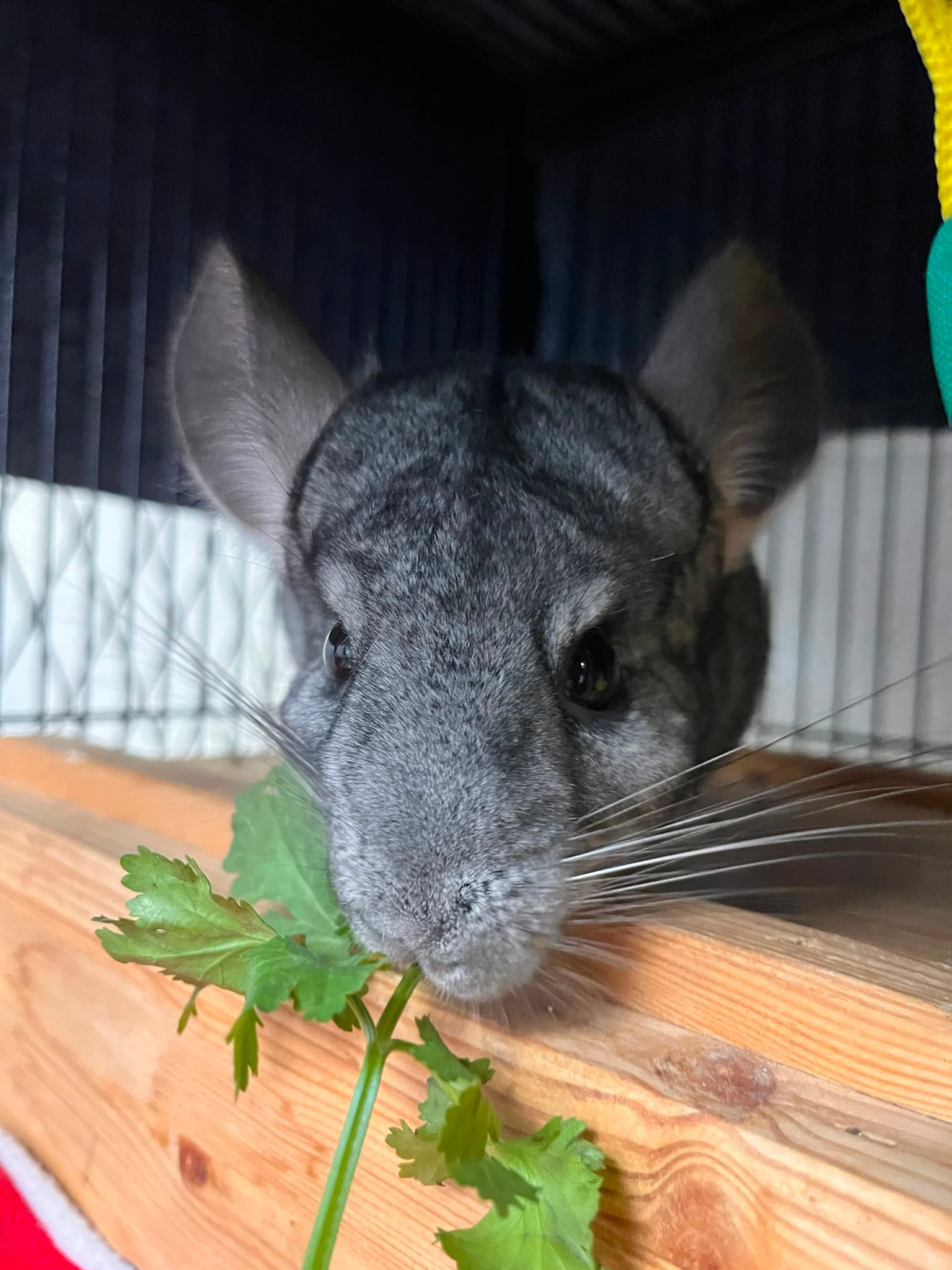
The organization called on owners to protect their pets from direct sunlight, provide them with constant access to fresh and cold water, and regularly check their health in extreme heat.
They also recommend that owners fill empty bottles with water and freeze them to put in their enclosures to cool their pets down.
For rabbits and guinea pigs, she encourages owners to control flystrike, a painful and potentially fatal condition in which flies lay their eggs on a live animal.
The charity said pet owners should seek advice from a vet immediately if their pet shows signs of heat stress such as lethargy, panting or excessive drooling.
Ms Brooks added: “With a long summer of hot weather forecast, we would ask everyone to consider their small pets. A few simple precautions can really make the difference between life and death. If you’re worried about your pet coping with the heat, don’t wait – seek advice as soon as possible.”
How can you keep your dog safe this summer?
Unlike humans, our four-legged friends are not that effective at regulating their body temperature, so it is very important to take extra precautions on these uncomfortably muggy days.
Here are some tips from experts:
- Never leave your dog alone in the car
- Provide constant access to cold, fresh water
- Use extra caution at the beach or near open water
- Do not put a damp towel on your dog in the heat.
- Schedule your walk for early morning or late evening
- Avoid hot pavements
- Check if your home is cool
- Adjust how vigorous the walks and activities you do with your dogs will be
- Offer frozen treats
- Watch out for warning signs


