Oil could reach record highs despite global response

Oil prices face the risk of rising to “historically unprecedented” levels as war in the Middle East causes an unprecedented disruption to oil supplies, a leading commodities expert warns.
Conflicts in the Middle East have caused benchmark oil prices to jump between US$80 per barrel and almost US$120 per barrel as traders try to understand the implications of the Strait of Hormuz closure and what US President Donald Trump will do next.
Brent crude settled just below $100 a barrel at midday (AEDT) on Thursday after the International Energy Agency called on 32 member states, including Australia, to voluntarily release 400 million barrels of oil from their strategic reserves.
But CBA commodity analyst Vivek Dhar believes energy markets have not fully priced in the disruption caused by the conflict.
“Our expectation that this crisis will last for months rather than weeks likely means markets are underestimating the disruption in global energy markets,” he said in a research note on Thursday.
He said Brent prices could rise as high as $150 per barrel to push down demand in developing countries as the supply gap leaks through the pipeline.
As a general rule, every $1 increase in the price of crude oil causes oil prices to increase by about 1 cent/litre at the bowser, according to AMP chief economist Shane Oliver.
This means that a US$50 per barrel increase in the value of Brent crude oil to US$150 per barrel would mean a 50 cents/l increase in unleaded crude oil.
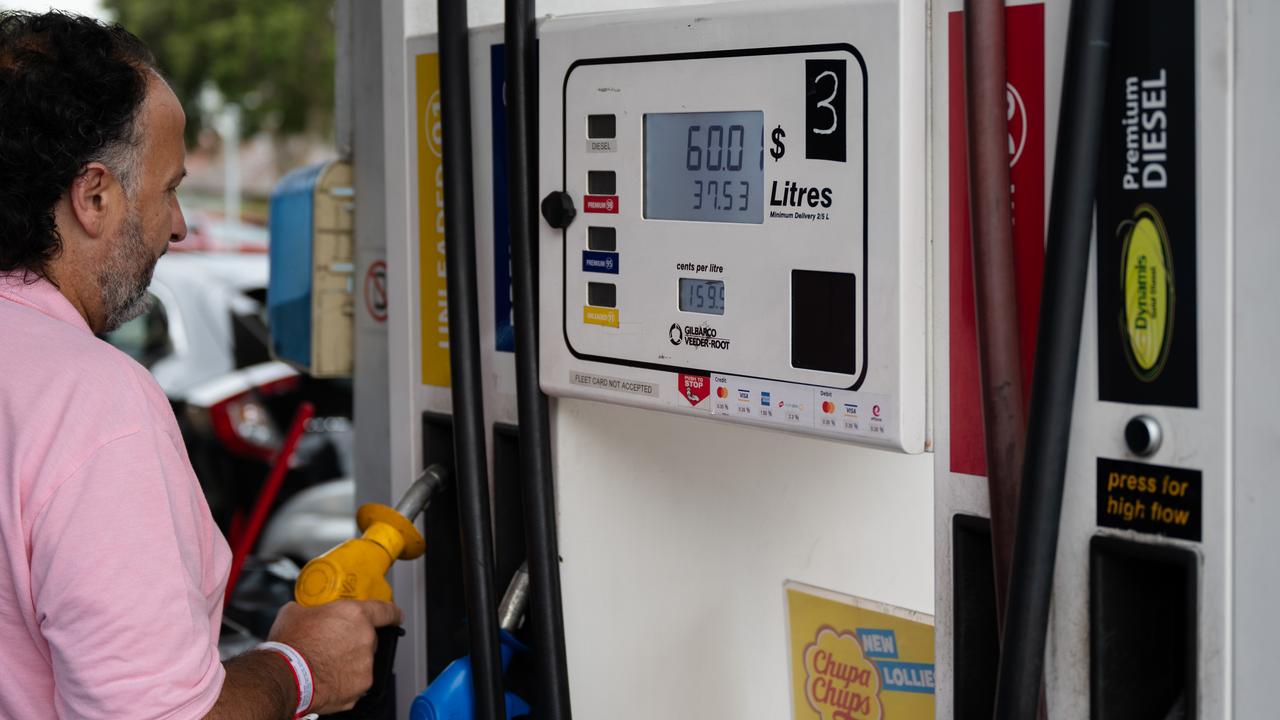
However, this rate could rise further if developed economies need to raise prices to reduce demand.
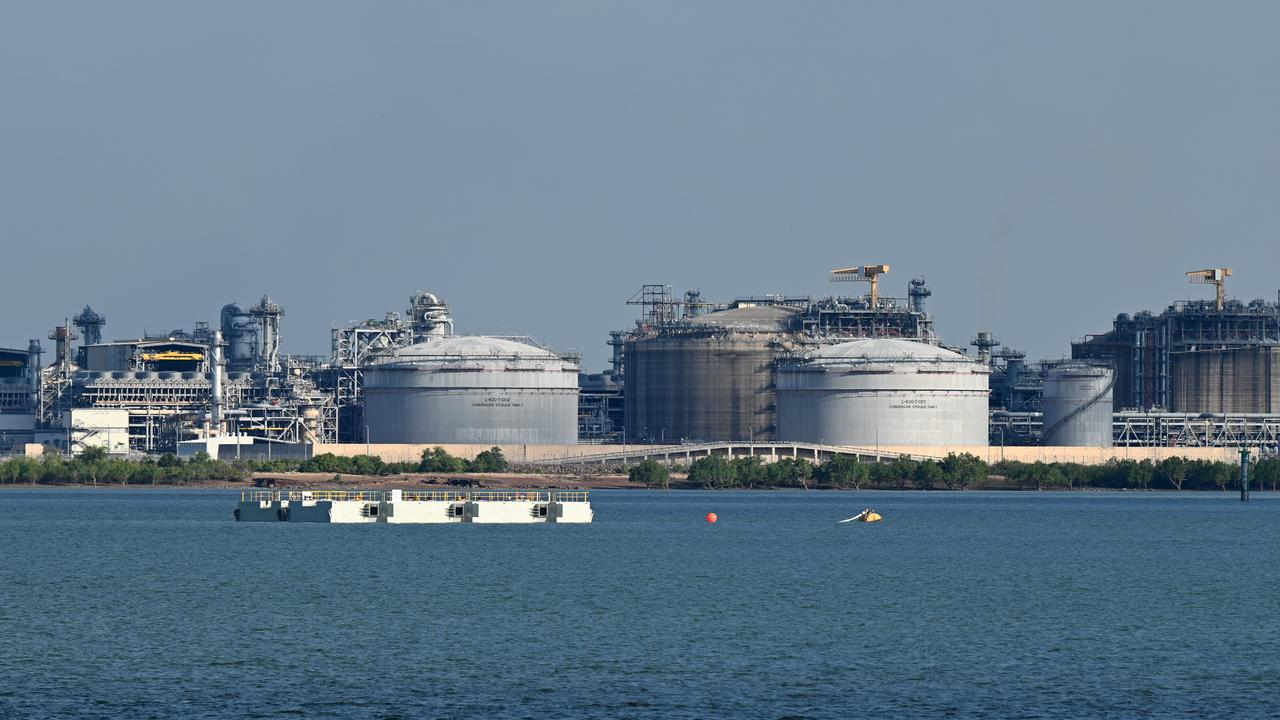
Increases in LNG prices could also exceed those seen during the outbreak of the Ukraine war, causing energy prices to rise in Australia.
“If the conflict is not resolved, oil and refined product prices risk rising to historically unprecedented levels,” Mr. Dhar said.
That prospect would likely be unacceptable to world governments, he said, and could possibly explain why markets are reluctant to accept a prolonged closure of the Strait of Hormuz, which accounts for about 20 percent of global shipments of oil and liquefied natural gas.
However, it is difficult for the United States to leave without achieving its strategic goals.
“This is another example of geopolitics clashing with economics in this new era,” Mr. Dhar said.
“This adds a wildcard element to the look.”
ANZ commodity analysts Daniel Hynes and Soni Kumari also said markets had underestimated how long the conflict could last.
A critical risk that has not been priced in is the possibility of wells shutting down due to intermittent power supply, understaffing or unstable water access, which could cause temporary outages to translate into long-term supply losses even if the conflict is resolved, they said.
Two foreign oil tankers were set on fire off the coast of Iraq on Thursday morning as Iran increased its attacks in retaliation for US attacks.
“This appears to indicate a direct and strong Iranian response to the IEA’s announcement of a major strategic reserve aimed at cooling prices that spiraled out of control overnight,” said IG market analyst Tony Sycamore.
Another benchmark oil price, West Texas Intermediate, rose 7.5 percent from Wednesday’s close, “underscoring how quickly supply disruption fears can override coordinated inventory drawdowns,” Mr. Sycamore said.
Energy Minister Chris Bowen was considering the IEA’s request to release oil reserves but insisted there was no immediate supply threat to Australia.
“Any action taken as part of a collective action will be in our national interest,” he said in a statement.
“If we join this action, Australia will not need to ship fuel overseas but instead will have to use its existing domestic reserves to take pressure off the global market.”

Australia’s Associated Press is the beating heart of Australian news. AAP is Australia’s only independent national news channel and has been providing accurate, reliable and fast-paced news content to the media industry, government and corporate sector for 85 years. We inform Australia.


