Billions in unworn clothes hanging in Aussie wardrobes

An estimated $25 billion worth of unworn clothes hang in wardrobes across Australia.
According to research from the Red Cross and Uber, this means more than 231 million pieces of clothing are idle across the country; This is enough to fill 139 swimming pools or 42 football fields.
“The country has billions of dollars worth of clothing that could help people in need,” Australian Red Cross spokesman Richard Wood said on Saturday.
The companies’ annual clothing drive held in Sydney, Melbourne, Brisbane, Adelaide and Perth on Saturday raised 27,000kg of donated clothing.
It’s a team effort that offers free Uber couriers for pre-loved clothing to Red Cross stores across the country.
“Each item helps stock our Australian Red Cross Stores, which directly funds our humanitarian programs to support some of our most vulnerable communities,” Mr Woods said.
The clothing campaign, now in its seventh year, aims to remove the main barriers to donating clothing; including that almost two-thirds of those surveyed would donate more to charity if it were easier.
“In our busy lives, we know convenience is often the missing link when it comes to clothing donations,” Uber boss Emma Foley said.
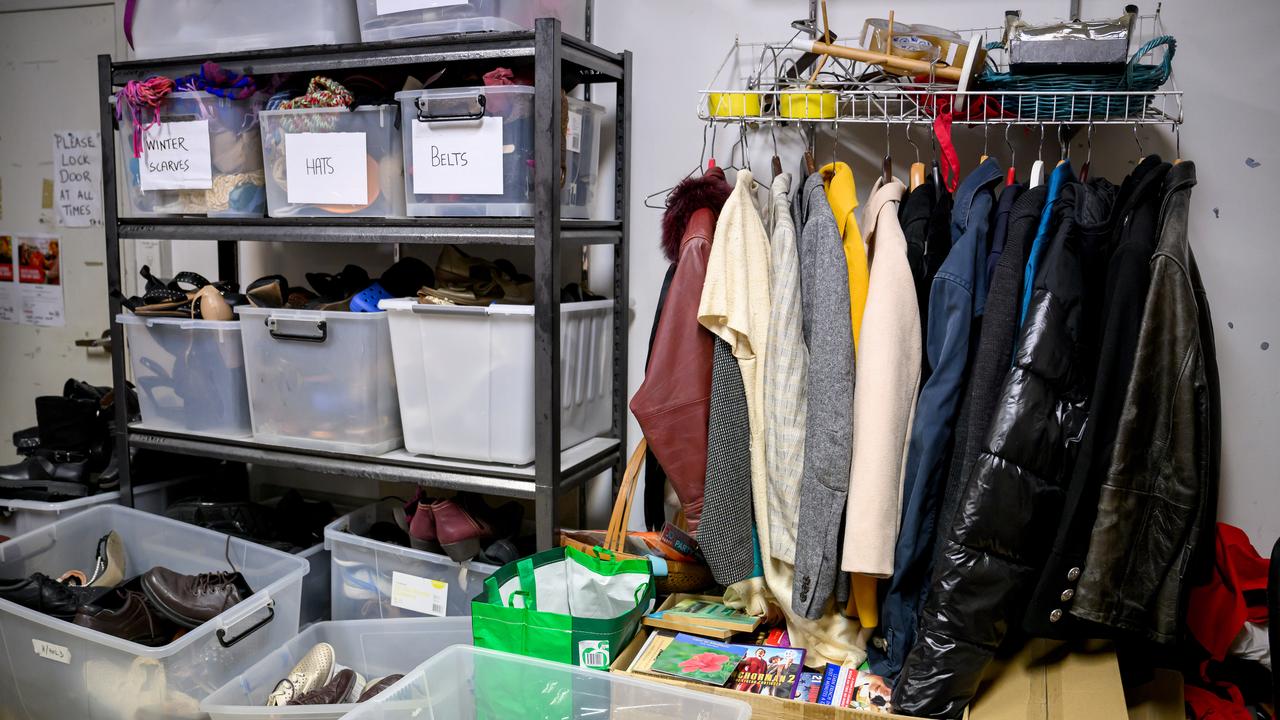
The survey of 2,000 people also found that confusion and time pressure lead to bad donation habits.
More than a third of those surveyed admitted leaving clothes outside a store after hours despite knowing they could be thrown away, and almost a fifth admitted donating items they knew were not of good enough quality to sell.
A fifth said they did not donate because they were unsure what items charities would accept.
The clothing campaign runs until 4pm on Saturday and people can book the free collection using the Uber app.
“We see the impact these donations are having every day and all Australians can be a part of it,” Mr Wood said.
Approximately 80,000 kg or 88 tonnes were collected during the 2024 drive.

Australia’s Associated Press is the beating heart of Australian news. AAP is Australia’s only independent national news channel and has been providing accurate, reliable and fast-paced news content to the media industry, government and corporate sector for 85 years. We inform Australia.


