Two in three Gen Z adults don’t know VE Day marks end of Second World War, survey finds

A new survey has found that two-thirds of Gen Z adults are unaware that VE Day marks the end of the Second World War.
A survey conducted for the Royal British Veterans Enterprise (RBVE) ahead of the upcoming commemorations found that 63 per cent of adults in the UK understand the importance of history, while among Generation Z this figure drops to just 34 per cent.
The RBVE said the findings revealed “a gap in public understanding of military service, past and present.”
Opinium’s survey of 2,052 adults also found that four fifths (80%) of UK adults think VE Day is important to British identity, while 79 per cent believe it helps with historical understanding.
But less than a quarter (23 percent) believe younger generations truly understand the experiences of veterans who continue to live with the impact of their service.
These findings align with RBVE’s ‘Still Serving’ campaign celebrating the 81st anniversary of VE Day. The campaign features a series of portraits of nine veterans by renowned British photographer Rankin, who recognizes VE Day as “a powerful moment of national reflection.”
They include former infantry soldier Che Smitherman in his 20s, 18-year veteran Holly Stroud, 48-year-old John Ahben, who served in the British Army for 12 years, and former Royal Marines Commando Paul Landamore, in his 40s.
They also include Purna Gurung, 38, who served in the British Army’s 1st Gurkha Rifles, veteran Steve Hammond, aged 60, former British Army Royal Gurkha Rifles Tirtha Thapa, 41, former Royal Army Medical Corps combat medical technician Vicky McLennan, 45, and 100-year-old Percy Bowpitt, who fought in the “Forgotten Army” in Burma during the Second World War.
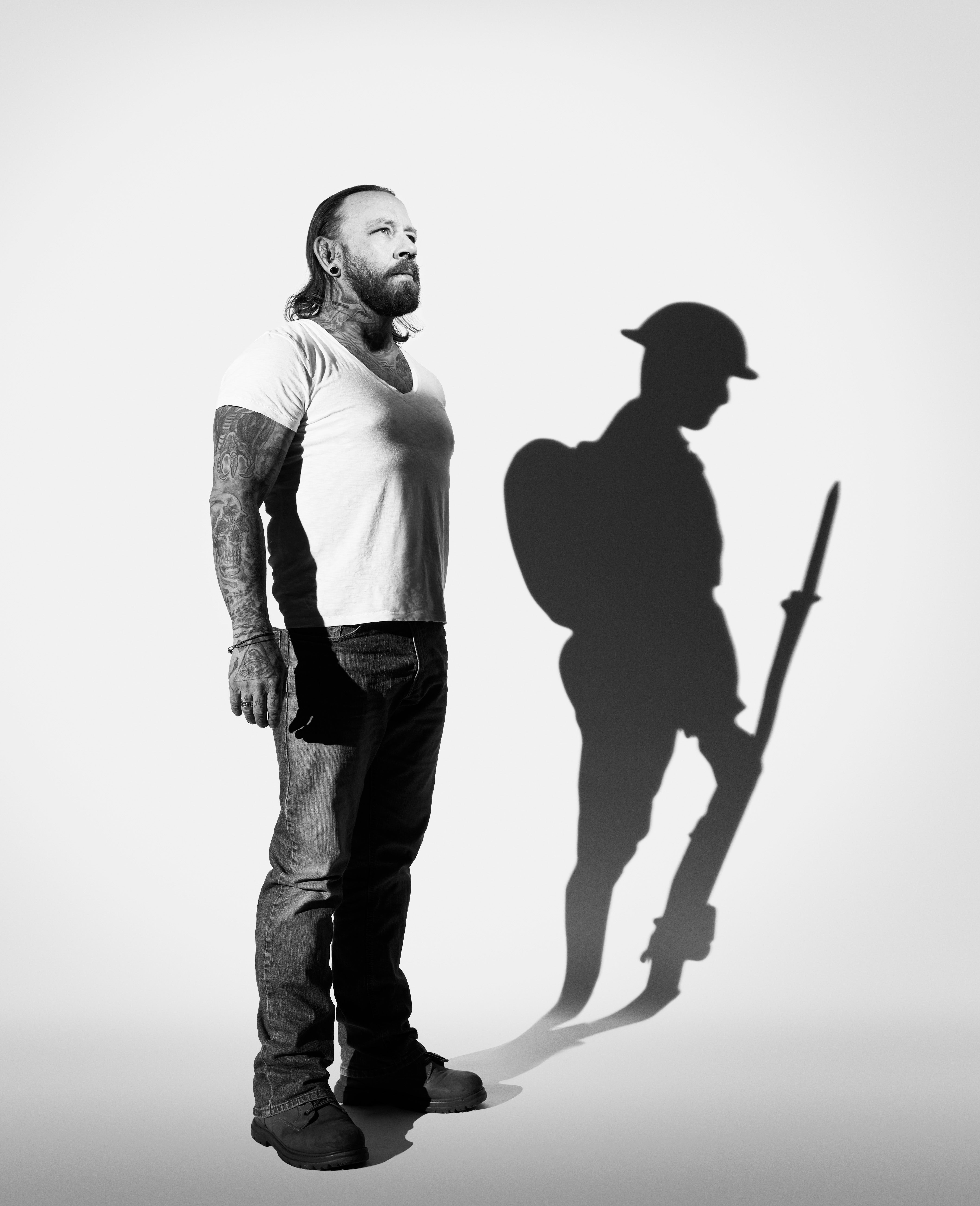
The RBVE said the campaign “places today’s veterans at the center of the national story”, shining a light on the people behind the “Tommy” symbol and reinforcing the need for support long after service has ended.
In the survey, two fifths (40%) of UK adults correctly recognize the name and figure “Tommy” as representing anyone who has served or is currently serving in the military; awareness drops to just 16% among Gen Z compared to 70% of baby boomers.
The RBVE said it showed “a generational disconnect between awareness of one of the UK’s most recognizable symbols of military service”.
Rankin said: “Created to celebrate VE Day, these portraits are about reframing the moment, not just as a day of reflection, but as a way to connect the past and present.
“The silhouette of ‘Tommy’ is instantly recognizable, but it was the human story behind him that intrigued me.
“By including contemporary veterans in this framework, we are able to show that service does not end with history but continues today in very real and personal ways.
“These are portraits of identity, resilience and the reality of modern service.”
Purna Gurung, Veteran and RBVE’s social enterprise team leader, said: “VE Day is a powerful moment for the country, but it does not always reflect the experiences of those who served after the Second World War.
“Many modern veterans don’t see their stories represented.
“The portraits help fill this gap. They show that ‘Tommy’ is relevant to every generation of service, including those still living through the impact of more recent conflicts.”
Lisa Farmer OBE, chief executive of RBVE, said: “VE Day is a moment when the nation comes together to reflect on what service means today – not just in the past, but for those who still live with its impact.
“That’s the idea behind the ‘Tommy’ silhouette, representing all those who have served in every generation.
“‘I Still Serve’ brings this to life and shows that the story of service does not end in 1945 and continues today.”
He added: “Working with Rankin allows us to bring this to life in a powerful and human way.
“These portraits combine a familiar symbol with the real experiences of today’s veterans, revealing the people behind it and the stories often overlooked, especially among those who served after 1945.”


