UK and Norway launch pact to hunt Russian spy ships

Britain and Norway are set to sign a landmark defense deal establishing a combined naval fleet specifically designed to track Russian submarines across the North Atlantic.
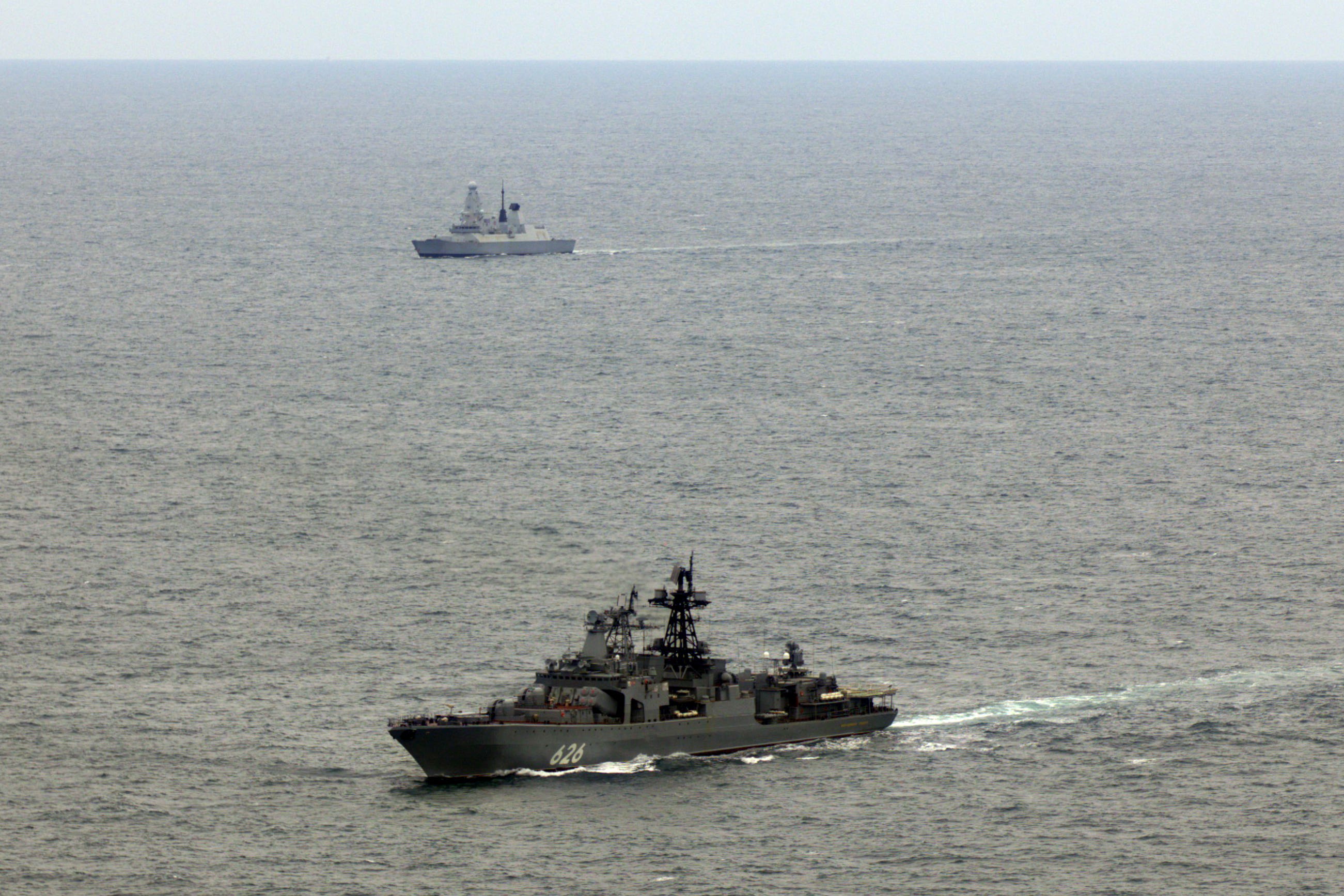
The initiative aims to protect critical submarine cables facing a growing threat from Moscow, with the Ministry of Defense (MoD) highlighting a 30 per cent increase in sightings of Russian ships in UK waters in the past two years.
The announcement came as Prime Minister Sir Keir Starmer hosted his Norwegian counterpart Jonas Store at RAF Lossiemouth in northern Scotland.
The two leaders are scheduled to meet with P-8 maritime patrol teams that track Russian ships such as the spy ship Yantar, which recently targeted one of its aircraft with lasers.
The agreement, called the Lunna House agreement after the Shetland Islands base used by the Norwegian resistance in the Second World War, is underpinned by a £10 billion British-Norwegian warship deal signed in September.
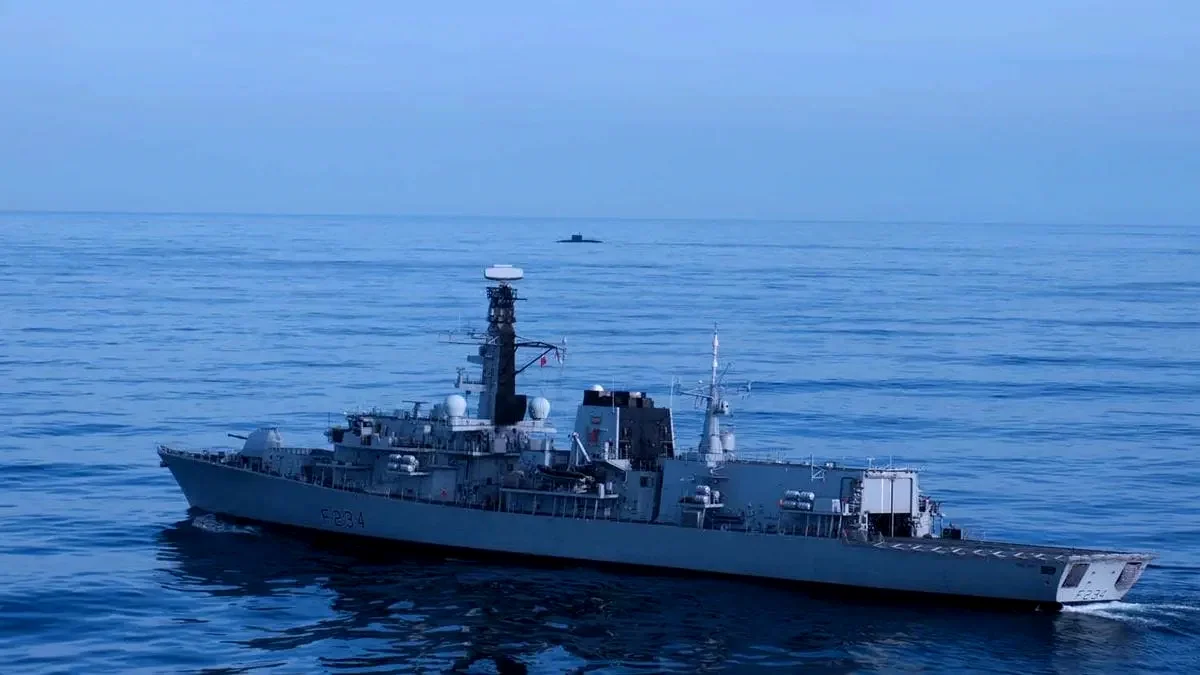
The Type 26 frigates, to be built at the BAE Systems shipyard in Glasgow, will form a fleet of at least 13 anti-submarine ships from both countries, including at least five Norwegian.
These warships will monitor the movements of Russian naval forces in the waters between Greenland, Iceland and the United Kingdom, protecting seabed cables and pipelines vital to British communications, electricity and gas networks.
The agreement, to be signed in Downing Street by Defense Secretary John Healey and his Norwegian counterpart Tore Sandvik, will also see the UK join Norway’s program to develop capital ships for crewless mine hunting and undersea warfare systems.
Royal Marines will be trained in Norway to fight in sub-zero conditions, and the two countries will deepen their cooperation on the use of UK-made stingray torpedoes, conduct joint war games and lead NATO’s adoption of autonomous systems in the High North.
The Royal Navy will also adopt advanced Norwegian naval attack missiles capable of destroying enemy ships at a range of more than 100 miles.
Sir Keir said: “At this time of profound global instability, with more Russian ships being detected in our waters, we must work with international partners to protect our national security.
“This historic agreement with Norway strengthens our ability to protect our borders and the critical infrastructure on which our nations depend.
“Through joint naval cooperation in the North Atlantic, we are improving security, supporting thousands of jobs in the UK and showcasing Britain’s world-class shipbuilding on the global stage.”
Mr Healey said: “In this new era of threats and with Russia’s increased activity in the North Atlantic, our strength comes from hard power and strong alliances.
“When our critical infrastructure and waters are threatened, we take action.
“For more than 75 years, the United Kingdom and Norway have stood shoulder to shoulder on NATO’s northern flank, defending Europe and keeping our people safe.
“This partnership takes us further, making our nations safer at home and stronger abroad.
“Through this Lunna House agreement, we will patrol the North Atlantic as one, train together in the Arctic, and develop advanced equipment that will keep our citizens safe now and into the future.
“We are taking steps towards the security of Europe and realizing our NATO priority plan.”
Britain and its NATO allies have become increasingly concerned about the risk Moscow poses to underwater cables and pipelines, amid rising tensions following the invasion of Ukraine.
The National Security Strategy Committee warned in a report in September that attacks on undersea infrastructure could cause a “catastrophic disruption” to the financial and communications systems that Britons rely on.


