UK PM Starmer says there could be new powers to ban pro-Palestinian marches
(This May 2 story is repeated without any changes to the text)
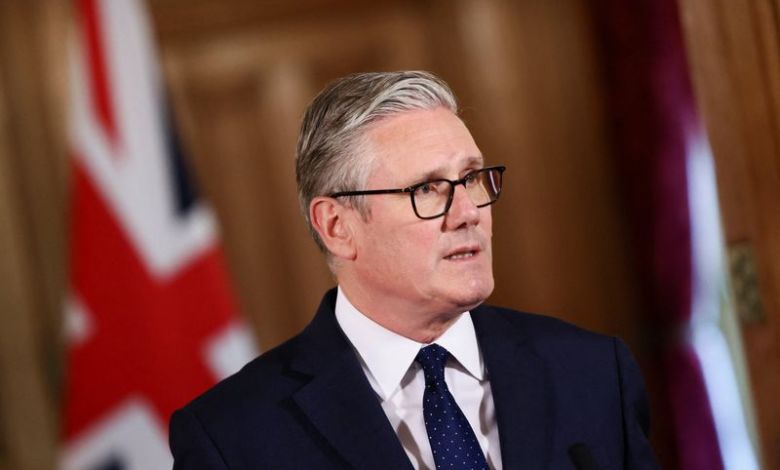
LONDON, May 2 (Reuters) – British Prime Minister Keir Starmer said the government could ban pro-Palestinian marches in some cases due to the “cumulative impact” of the demonstrations on the Jewish community after two Jewish men were stabbed in London on Wednesday.
Starmer told the BBC that he would always defend freedom of expression and peaceful protest, but slogans such as “Globalize the Intifada” were “completely prohibited” during demonstrations and those who voiced them should be prosecuted.
Pro-Palestinian marches have become a regular occurrence in London since the Hamas attack on Israel in October 2023, which triggered the Gaza war. Critics say the demonstrations have created hostility and become a focal point for anti-Semitism.
Protesters argued that they were exercising their democratic right to draw attention to ongoing human rights and political issues related to the situation in Gaza.
Starmer said he did not deny there were “very strong legitimate views about the Middle East and Gaza” but that many people in the Jewish community had told him they were concerned about the repeated nature of the marches.
Asked whether the harsher response should focus on slogans and banners or whether protests should be stopped altogether, Starmer said: “I definitely think it’s the former, and I think there are examples of the latter as well.”
“I think it’s time to look at the protests in general and the cumulative impact,” he said, adding that the government should look at what further powers it could take.
Britain raised its terror threat level to “serious” on Thursday amid growing security concerns that foreign states are helping to fuel violence, including against the Jewish community.
“We are seeing an increasing threat to Jewish and Israeli individuals and institutions in the UK,” counter-terrorism police chief Laurence Taylor said in a statement, adding that police were also working “against an unpredictable global situation with consequences closer to home, including physical threats from state-linked actors.”
(Reporting by Paul Sandle, Editing by Keith Weir)