What is Iran’s Islamic Revolutionary Guard Corps and does it operate in the UK?

Four men were arrested on suspicion of spying for Iran on places and people linked to London’s Jewish community.
Although the Metropolitan Police did not say the suspects were working for Iran’s Islamic Revolutionary Guard Corps (IRGC), the military branch has a history of operating in the UK.
Just this week, Liberal Democrat leader Sir Ed Davey called on the UK Government to introduce emergency legislation to ban the Revolutionary Guard as a terrorist organisation, arguing that it is “more desperate and dangerous than ever”.
Prime Minister Sir Keir Starmer told the House of Commons on Wednesday that Britain was “working 24/7 to deal with any threat to this country”.
He added: “We don’t comment on banning, but we have put forward that there needs to be legislation to deal with state-sponsored terrorist groups and we are looking into that.”
What is IRGC?
The Revolutionary Guard is a branch of the Iranian military created to protect the ruling Islamic Republic.
This includes preventing coups, suppressing dissent, and defending government leadership.
The Revolutionary Guard has been implicated in the recent suppression of anti-government protests in the country, in which hundreds of people were killed and thousands detained.
Its activities include serving as the ministry of intelligence and security, as well as conducting intelligence operations both in Iran and around the world.
Does it operate in the UK?
The Revolutionary Guard has been linked to at least 20 credible threats in the UK since 2022.
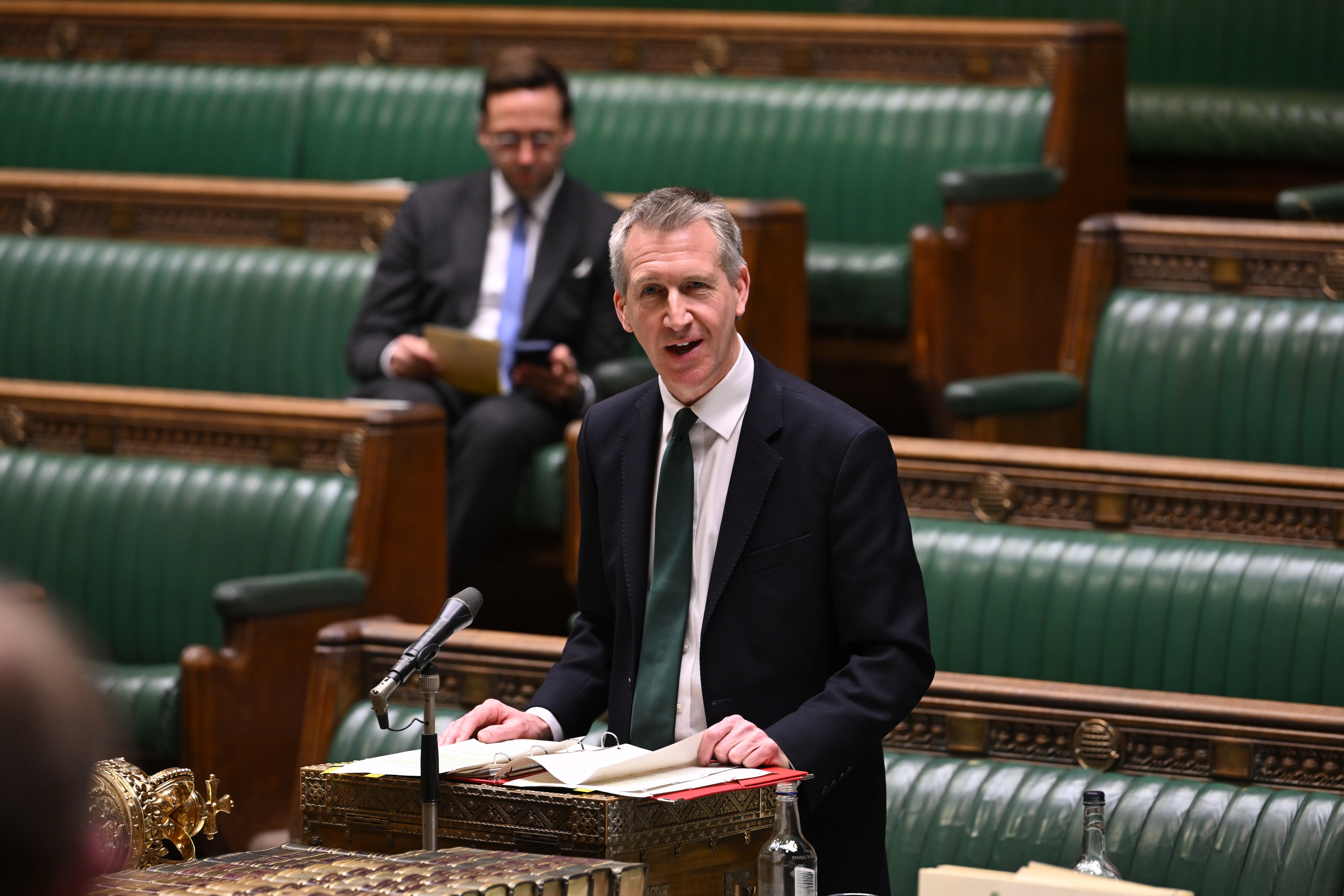
Speaking to MPs last year, security minister Dan Jarvis said there was a long-standing pattern of Iranian intelligence services “targeting Jewish and Israeli people internationally”.
He said the Iranian regime wants to “stifle criticism through intimidation and fear.”
The IRGC’s activities against the United Kingdom may be physical or involve malicious cyber activities.
What was he caught doing before?
In June, a British man was arrested in Cyprus on suspicion of espionage and terrorism offences.
The man allegedly kept the RAF Akrotiri base on the island under surveillance and had links to the Revolutionary Guard.
Separately, the same RAF site was hit by an Iranian-made drone launched from Beirut, Lebanon, earlier this week.
In 2024, Iranian journalist Pouria Zeraati was stabbed outside her home in Wimbledon, south London.
Three suspects linked to the attack are thought to have fled the country a few hours after the incident.
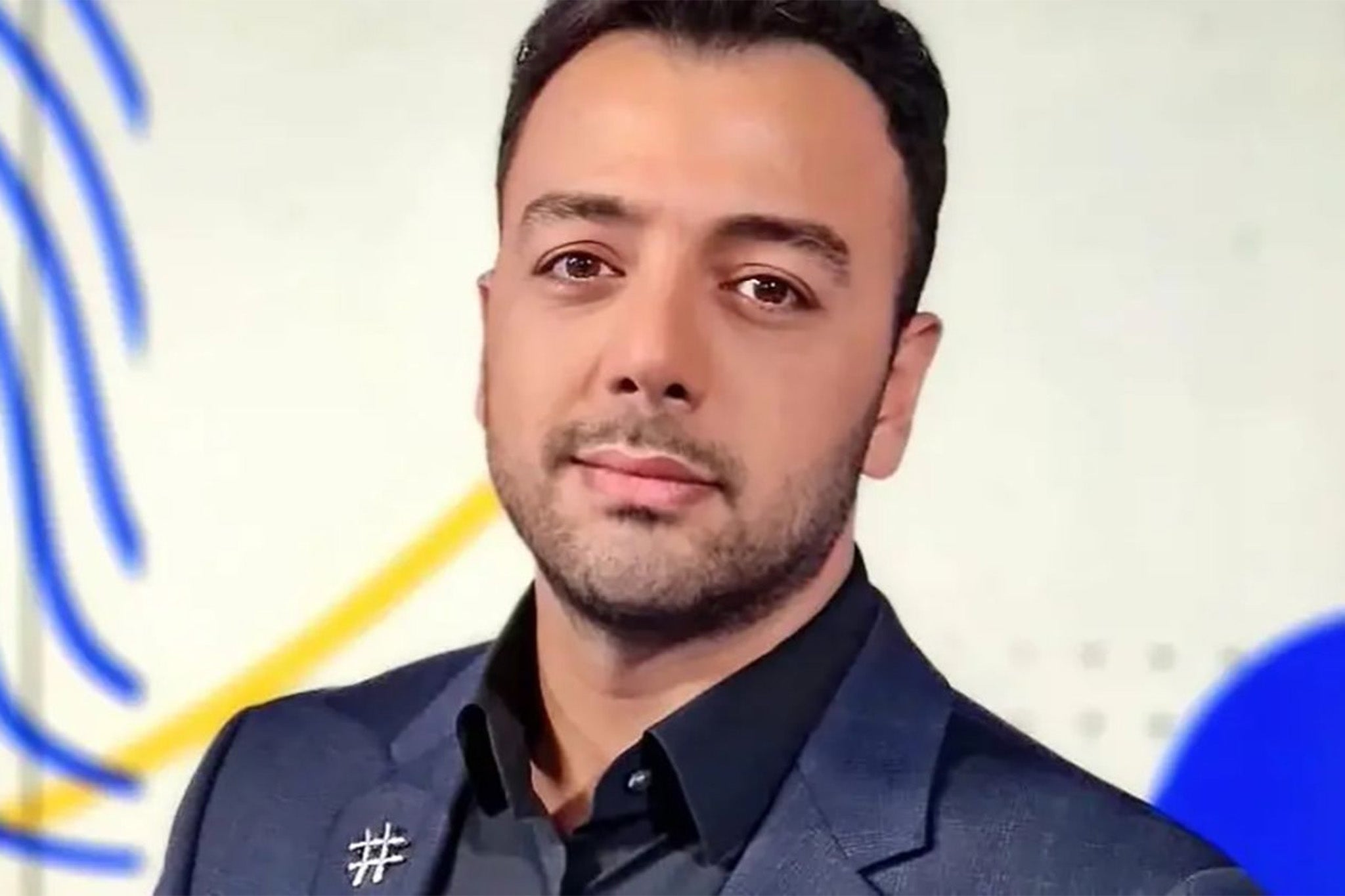
Mr. Zeraati worked for Iran International, a London-based opposition channel that independently broadcasts Iran.
The broadcaster said Tehran’s revolutionary guards targeted the place.
In a separate case in December 2023, a BT employee was sentenced to three-and-a-half years in prison for spying on Iran International ahead of a “planned attack” on British territory.
Magomed-Husejn Dovtaev carried out hostile reconnaissance for other unknown persons at the London headquarters.
The Chechnya-born Austrian was found guilty of trying to collect information for terrorist purposes after a trial at the Old Bailey.
In 2024, former British soldier Daniel Khalife was convicted of spying for Iran.
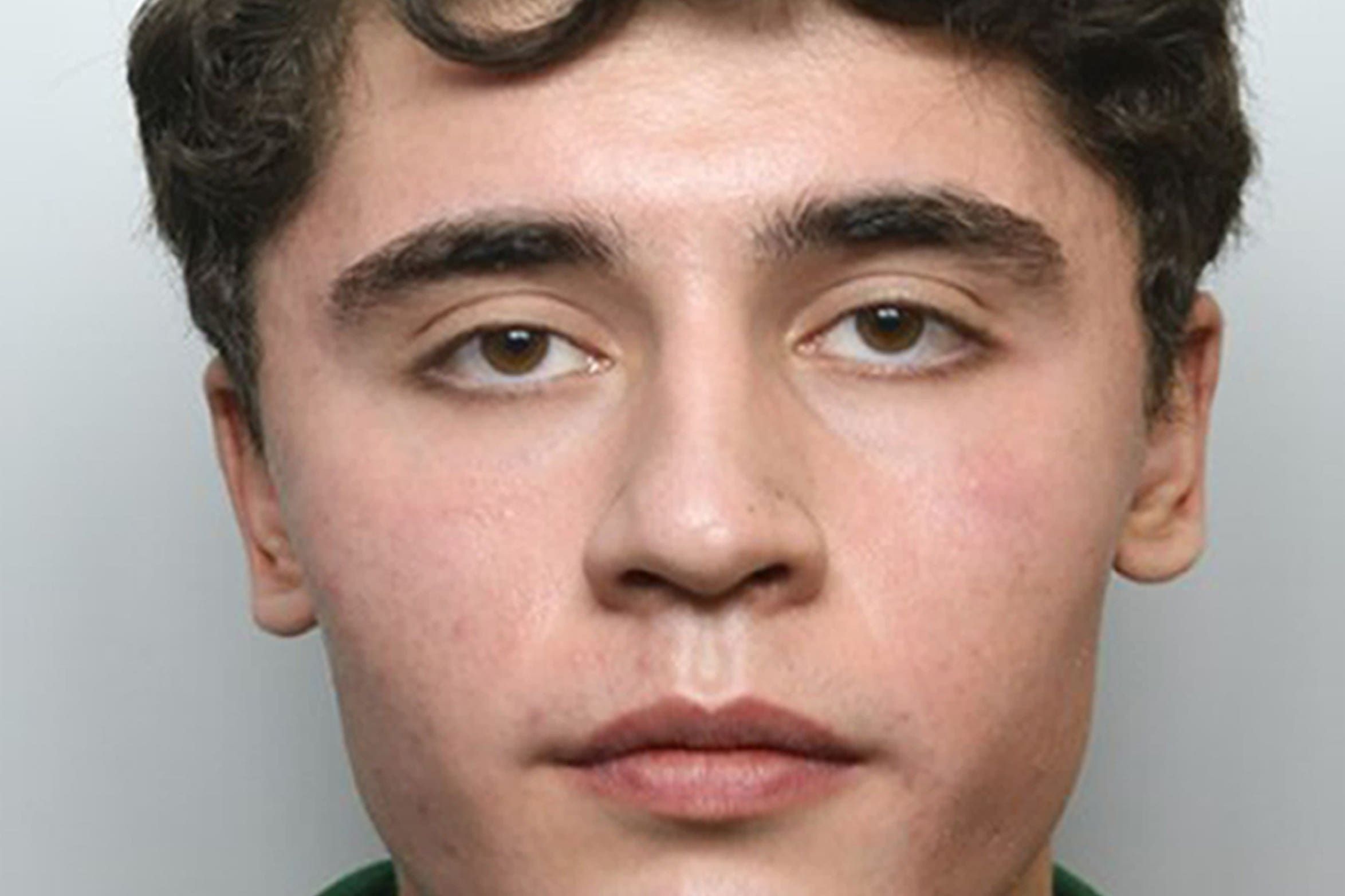
Approaching a “middle man” in a Facebook message, Khalife told the Iranians he would remain undercover in the British Army on their behalf for “more than 25 years”.
Khalife’s trial revealed details about agents working in London.
Explaining that his officers collected the money he left in the Barnet park, he told police: “So they came in a big expensive car like a 2020 Audi Q7, there were four men inside.
“The scariest, scariest men I have ever seen…these four IRGC men.”
Khalife then traveled to Istanbul, Türkiye, for six days to “deliver a package” to Iranian intelligence, and remained in contact with Iranian operatives while stationed at a US military base in Texas.
Why wasn’t the Revolutionary Guard defined as a terrorist organization?
The latest developments are likely to lead to renewed calls for ministers to ban the IRGC, but Downing Street recently downplayed the possibility, pointing to comments by the former head of MI6 who said it would have “no practical effect”.
Ministers said the ban was not directed at state organizations such as the Revolutionary Guard.
Speaking to BBC Radio 4’s Today programme, Sir Richard, who served as chief of the Secret Intelligence Service from 2020 to 2025, suggested the move would be largely symbolic.
“The danger is that something like this is mostly about making us feel better; it’s not actually something that would really affect the IRGC because you know this tool is designed for non-state terrorist groups, not parts of the state like the IRGC,” he said.
The government has said it is already using sanctions against Iran to the fullest extent possible.


