What the Warm Homes Plan means to you as UK government aims to cut energy bills and upgrade homes

Reducing home energy bills is one of the top priorities, especially for those living in social housing, renters or low-income households; Even small adjustments here can yield significant savings in the long run.
The government’s strategy to boost domestic energy efficiency, outlined primarily in the Warm Homes Plan launched in January, aims to transform British homes.
Simon Bones, a leading sustainability expert and founder of smart renovation company Genous, which helps homeowners make their properties greener, highlights the dual benefits: “With lower energy costs and lower emissions.”
Bones explains key initiatives and how individuals can engage with them.
Financing Improvements for Low-Income Households
One of the key objectives of the Warm Homes Plan is to improve three million properties by December 2030.
This includes 1.3 million social homes to be improved directly by social landlords and 1.7 million properties financed through the scheme. Bones highlights: “Three million properties are targeted to be improved by December 2030, meaning 1.3 million social homes will be improved directly by the social landlord. A further 1.7 million properties will be directly financed through the Warm Homes Scheme.”

Tenants and homeowners covered by these policies will be offered free property upgrades, each with a tailored plan.
A notable shift from previous energy-saving policies is a move away from a “fabric first” approach that prioritized insulation, towards technologies such as solar panels, batteries and heat pumps.
“One change from previous energy-saving policies is a move away from a ‘fabric first’ approach (insulation) and towards technology (solar panels, batteries, heat pumps),” Bones explains. He adds that some attic and cavity wall insulation continues to be installed because they are “the best form of payback.”
Supporting the Renewal Market That Can Pay
For those who can fund the upgrades, the Boiler Upgrade Scheme offers a significant £7,500 for most new heat pump installations; this is temporarily rising to £9,000 from July for qualified LPG and heating oil conversions. This “significantly reduces the cost of the heat pump,” Bones notes.
Changes to planning permission have also made the renovation process of listed houses easier; however, listed properties or properties in conservation areas still face obstacles. Efforts are also underway to facilitate interactions with third parties, including energy suppliers and electric utilities.
A £2bn funding commitment for low-cost loans has been announced, but these are not yet available and clarity on their practical application remains elusive.

Bones points out the financial challenges for many: “Reducing the cost of financing is key, as a ‘smart renovation’ such as the delivered can typically deliver after-tax returns of 10 per cent, which is great if you have savings or a mortgage. But a personal loan to finance it eats up most of the returns, and the cost of renovation is typically £10,000-£20,000, which explains why today’s solvency market is largely focused on cash-rich homeowners.” segment.”
Beyond financing, finding reliable advice and delivery for renovation projects is another major hurdle for customers who can afford to pay. While some companies are using advanced digital twin simulations to optimize energy efficiency, Bones observes, “But many homeowners are still in the dark about what to do and how to do it.”
Improvement of New Construction and Rental Standards
The Future Homes Standard stipulates that all new homes built from 2027 must be net zero carbon ready.
This enables widespread installation of air source heat pumps and solar panels of significant size, based on already stringent insulation requirements.
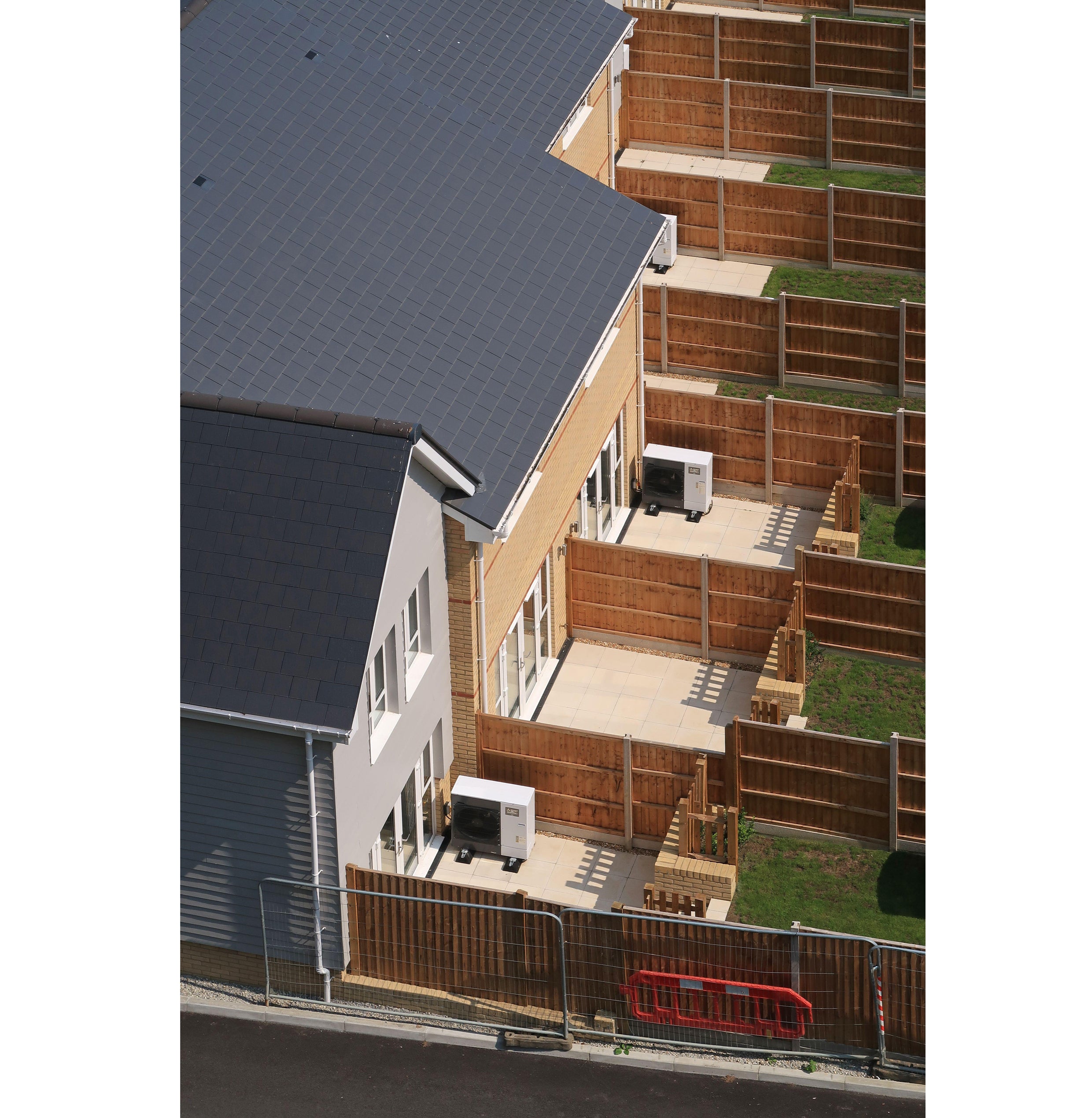
“New build volumes are equivalent to around 1 per cent of the total housing stock each year, but for those moving into new homes they need to be more efficient and have lower running costs,” Bones explains.
A significant change in the private rental market is on the horizon. As of October 2030, private rented properties will generally need to have an Energy Performance Certificate (EPC) rating of C or they will not be available for rent. This is a step forward from the current EPC E requirement.
Bones warns: “This is likely to lead to a significant landlord upgrade program over the next four years, although the exemptions are quite comprehensive compared to the current EPC E.”
What Should You Do Now?
Your next steps depend on your availability.
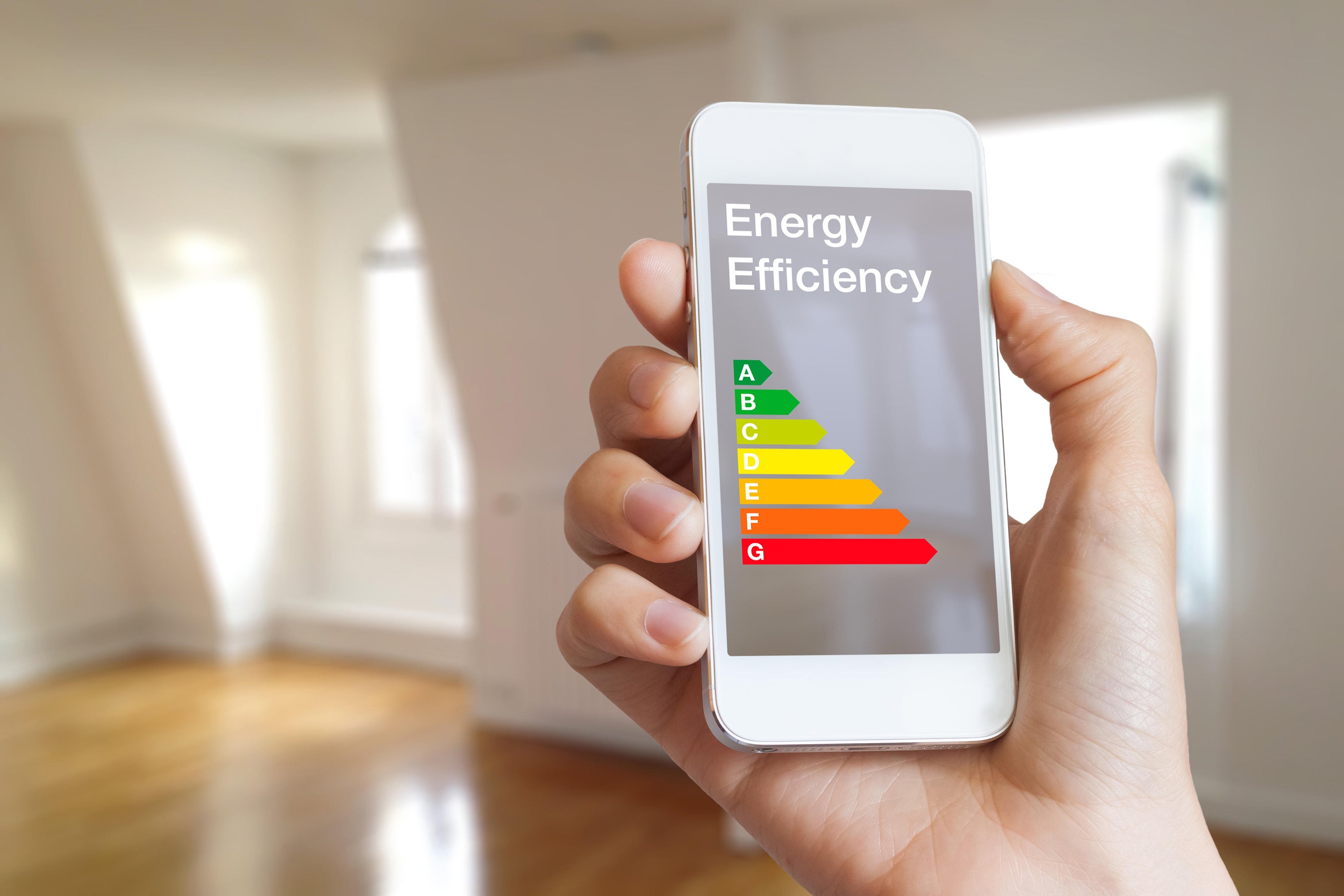
“If you’re a tenant (whether social or private), the first steps are to understand your current energy efficiency (look at your EPC and if it’s D or below you’re probably considered inefficient) and contact your landlord to find out what their plans are,” Bones advises.
He recommends using a renovation provider to research opportunities, costs and potential payback for homeowners.
“Whether small, low-cost steps or a whole-home renovation will work for you will depend on your budget, your property, and whether it’s prone to disruption,” Bones notes, adding that free home inspections on certain websites can provide a useful starting point.
When it comes to finances, self-funding is often the best option; It offers strong, immediate and tax-free returns. However, homeowners with mortgages should inquire about green improvement agreements with their providers.
Bones emphasizes: “Most don’t make these public, but some offer refunds for certain energy upgrades or low-cost credits. And those can sometimes be the difference between going ahead and not.”
Bones concludes: “Energy efficiency is important for your home budget and the UK’s carbon budget – with better technology, advice and talent than ever before, and with government support, now is the time to get involved.”


