Burnham’s tax plan to save Britain’s high street ‘could cost £880m a year’

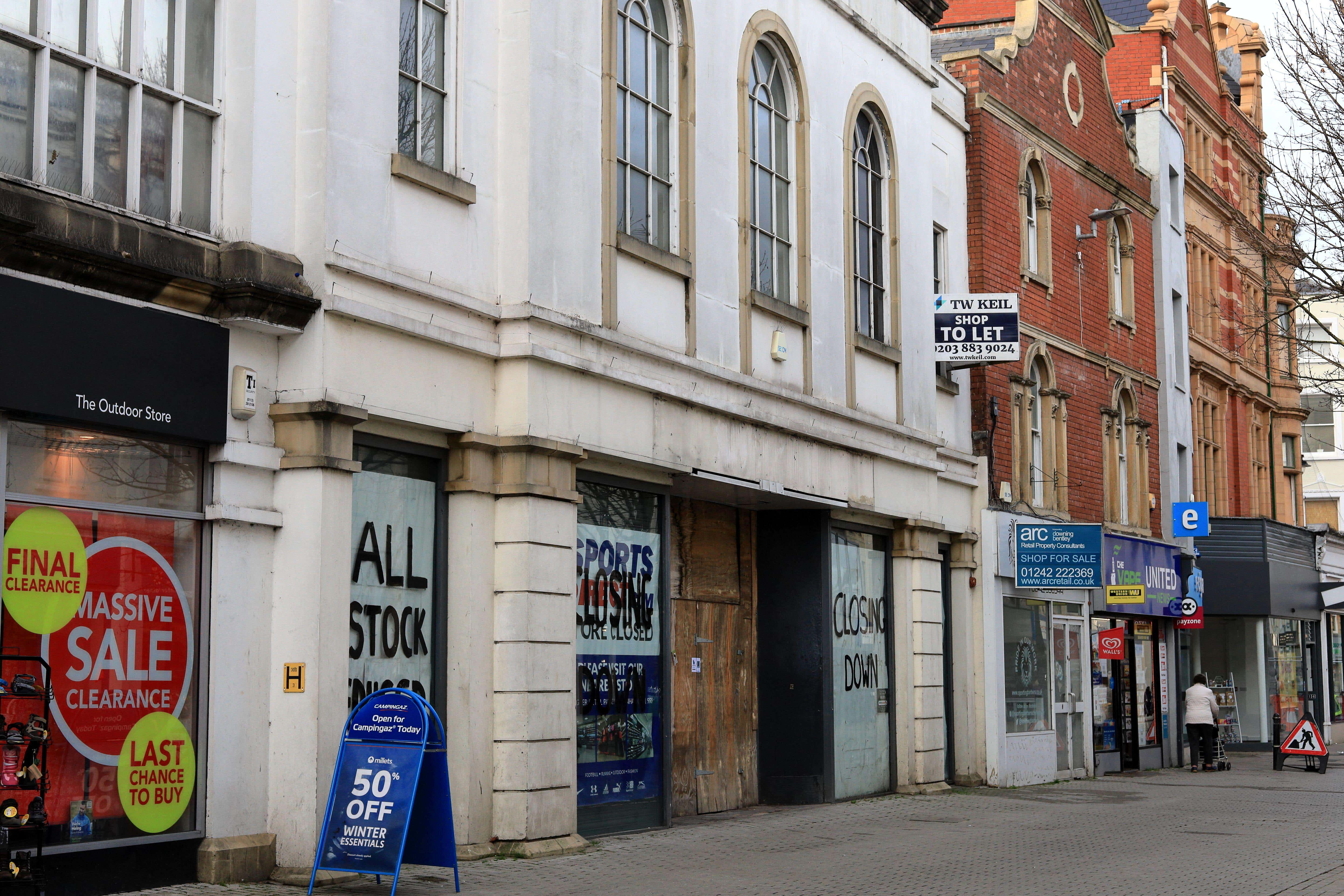
Andy Burnham’s plan to overhaul business rates to support small high street firms could cost around £880 million annually, according to new analysis.
The former Manchester mayor, who is now prime minister, plans to fund this through higher property taxes on large warehouses, specifically targeting online giants such as Amazon.
Speaking on LBC earlier this week, Mr Burnham said Labor had “room for leeway on tax” in its manifesto and the party remained committed to its fiscal rules.
His proposals, first outlined during the Makerfield by-election campaign, include a 50 per cent increase in the threshold for a 100 per cent easing of small business rates in England.
Estimates from global tax firm Ryan suggest this policy could exempt more than 140,000 additional small facilities from paying total business taxes.
As a result, this is likely to reduce business rates liabilities by around £880 million, according to government tax data.
The expected proposal would increase the threshold for 100 per cent small business rates relief from the current £12,000 rate to £18,000 and raise the upper threshold at which firms will receive tiered relief to up to £21,000 from £15,000 currently.
“Supporting small businesses is a great policy goal,” said Alex Probyn, property tax practice leader at Ryan.
“The concern is how will this be financed if things are to be revenue neutral?
“Larger commercial properties are already contributing more through the existing business rates surcharge to fund lower liabilities to the retail, hospitality and leisure sectors.
“The obvious question is whether they will now be asked to contribute more.”
Ahead of the Makerfield by-election, which Mr Burnham won last month, he argued that “online giants” should contribute more to support small businesses and Britain’s high streets through higher taxes on large warehouses.
In an interview with LBC following this opening speech, he also suggested there could be higher business rates on major developments on the outskirts of towns and cities to fund lower business rates for pubs and exclude some smaller businesses from business rates altogether.
Business rates reforms introduced by the government in April included a business rates surtax of 2.8p on properties with a rateable value over £500,000 in England.
But many small businesses, particularly in the retail, hospitality and entertainment sectors, will face significant increases in their tax payments over the next three years.


