Energy crisis ‘not over’ as supply shocks persist

As Australia braces for continued uncertainty and lasting economic pain from the energy crisis, more than 170 service stations are still out of diesel.
A temporary ceasefire has been reached between the USA and Iran, but disruptions in the Strait of Hormuz continue, with Federal Energy Minister Chris Bowen warning of a “long tail” after the conflict.
“Even if it opens today, there is a huge pile-up on ships, the bombed gas facilities are destroyed,” he told reporters on Saturday.
“It will take a long time for the international energy situation to recover from this. This is not over yet.”
Australia has 38 days worth of petrol, 31 days of diesel and 28 days of jet fuel.
While there was a two-day improvement in diesel reserves, which is an important fuel for transportation and agriculture and is reflected in market prices, there was a slight decrease in gasoline and jet fuel.
While the government has assured that ships are still reaching Australia and 4.1 billion liters of fuel remain locked up, prices at the pump remain high and some service stations, particularly in regional areas, are still running dry.
A total of 173 service stations across Australia have run out of diesel; this represents 2.2 percent of all refueling stops.
NSW petrol stations are where you are most likely to run out of fuel.
Australia is stepping up diplomatic efforts to secure fuel supplies, with Prime Minister Anthony Albanese meeting with his Singaporean counterpart this week.
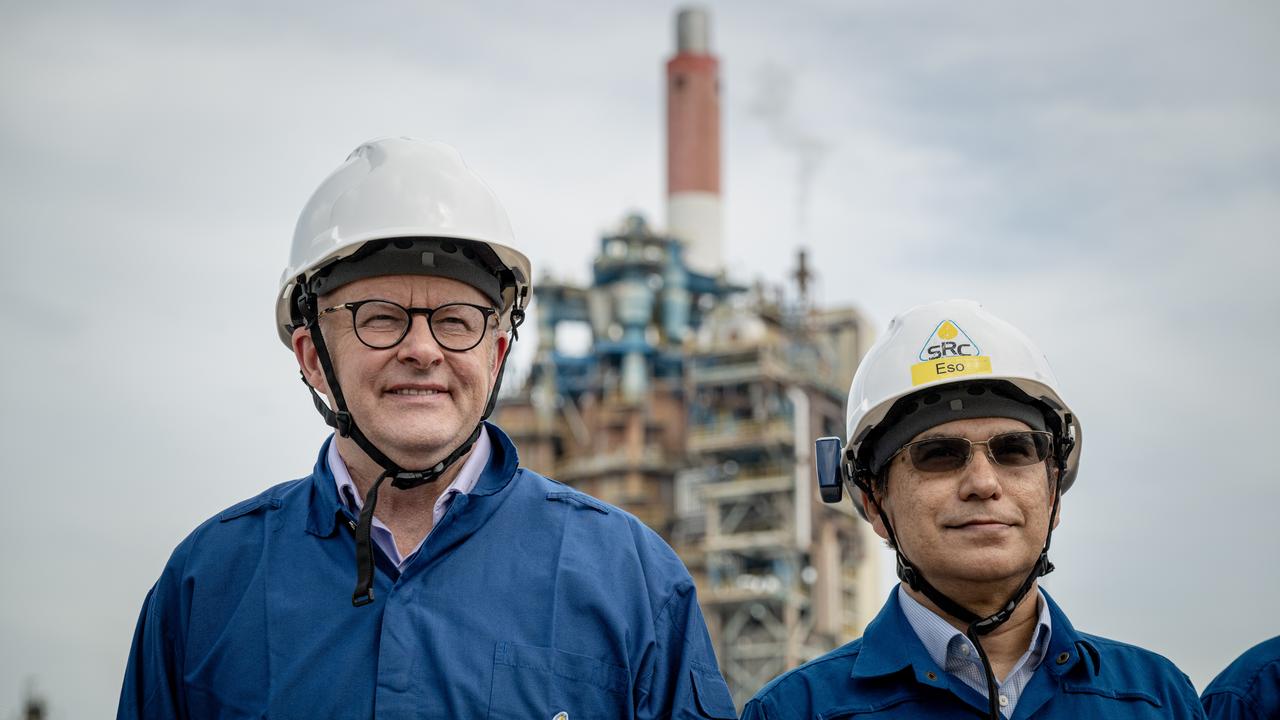
Mr Albanese and Singapore Prime Minister Lawrence Wong signed an agreement to continue trading large quantities of fuel and gas between the two countries.
The agreement said the countries would “use maximum efforts to meet each other’s energy security needs” but made no specific guarantee that Australia would be given priority if Singapore’s refineries were forced to reduce production.
Australia is also trying to diversify its fuel supply chains beyond Southeast Asia, sourcing its supplies from South American countries and Algeria.
The federal opposition is calling for greater energy self-reliance, with National Party leader Matt Canavan arguing Australia should make better use of its oil and gas resources rather than relying on trading partners.
The federal government also halved the fuel consumption tax in response to the energy crisis.

The Australian Associated Press is the beating heart of Australian news. AAP is Australia’s only independent national news channel and has been providing accurate, reliable and fast-paced news content to the media industry, government and corporate sector for 85 years. We inform Australia.


