Historic bridge linking Wales and England has finally reopened – but could quickly be forced to close again

The 210-year-old cast-iron bridge connecting Wales and England has partially reopened, but may have to close again if the weather is too hot or cold.
The Old Wye bridge in Chepstow reopened to pedestrians on Saturday as engineers continued structural checks.
The historic bridge was completely closed to walkers and cyclists in March this year after routine inspections in October 2025 detected cracks and banned cars from passing.
Monmouthshire county council said engineers assessed the structure was overstressed. Walkers have now been welcomed back onto the bridge that crosses the River Wye between Monmouthshire and Gloucestershire, but the council is prepared to close it again if “the cast-iron beams deteriorate further”. [horizontal beams used to support the bridge] is defined”.
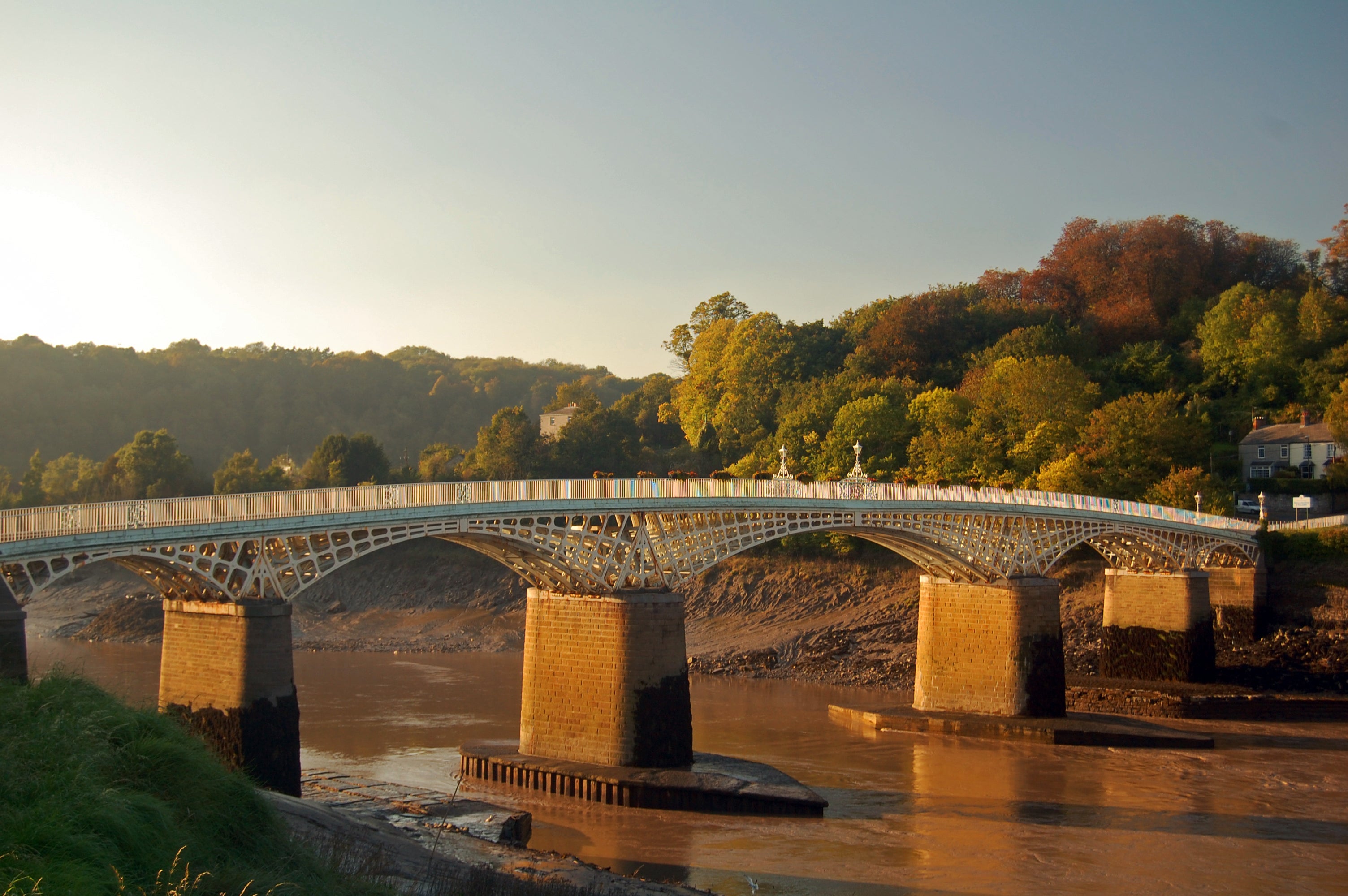
If Chepstow experiences extreme temperatures, particularly if temperatures rise above 30C or fall below -3C, the bridge will close again.
Temperatures could reach up to 30C, with a heatwave expected in London and the South East, South West and Wales. Highs of 33C could be experienced in Chepstow on Tuesday and Wednesday next week as the capital prepares for potentially 37C temperatures.
Amber heat health warnings are in force until Wednesday evening in the South East, East of England, London, Midlands and South West.
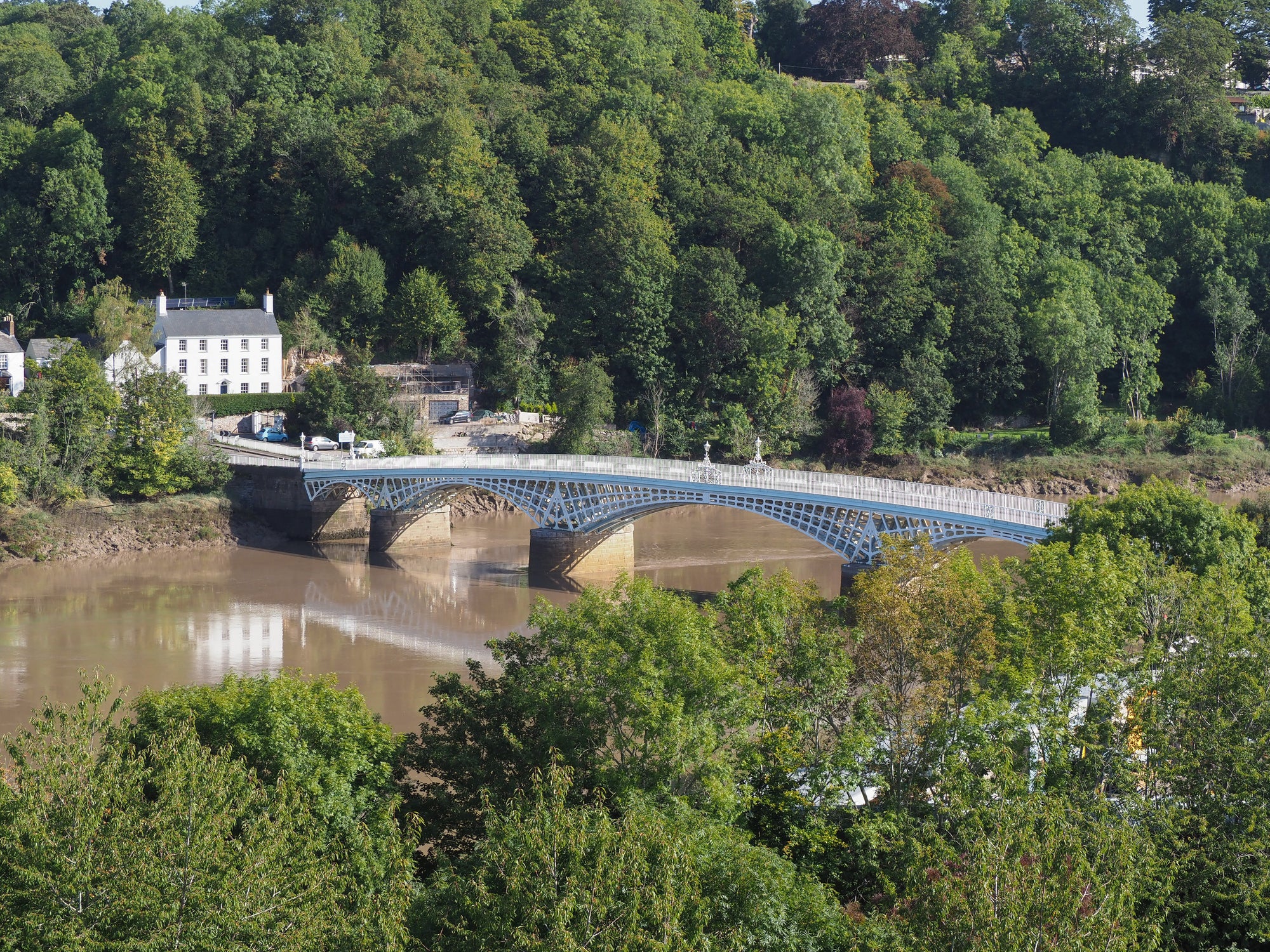
The Old Wye bridge was built in cast iron in 1816 and is a Grade I listed building.
Cllr Catrin Maby, Monmouthshire county council’s Cabinet Member for Climate Change and Environment, said: “We are delighted to be able to safely reopen the Old Wye Bridge to pedestrians and restore an important local link for our communities. This decision has been guided by expert engineering advice and supported by ongoing monitoring to ensure public safety remains our top priority.”
“We recognize how valuable this crossing is to residents and visitors and whilst further checks are ongoing we will keep the bridge under close scrutiny and take any action necessary to protect those who use it.”
In subsequent checks, the level of metal fatigue at critical points of the bridge will be evaluated.


