How billion-dollar money laundering network in UK ‘bought bank to fund Russian war effort’

The National Crime Agency has revealed that a multi-billion dollar money laundering network operating in the UK bought a bank to facilitate payments supporting Russian military efforts.
The NCA said the organization benefits criminals globally, from Russian-speaking hackers with millions of cryptocurrencies to British street gangs laundering physical money.
The group’s launderers operate in at least 28 cities and towns in the UK, with couriers collecting cash for crypto conversion.
A company affiliated with one of the network’s bosses bought the bank, facilitating payments that now support the Russian military.
The NCA is leading an investigation, called Operation Destabilization, into Russian money laundering networks that support serious and organized crime around the world.
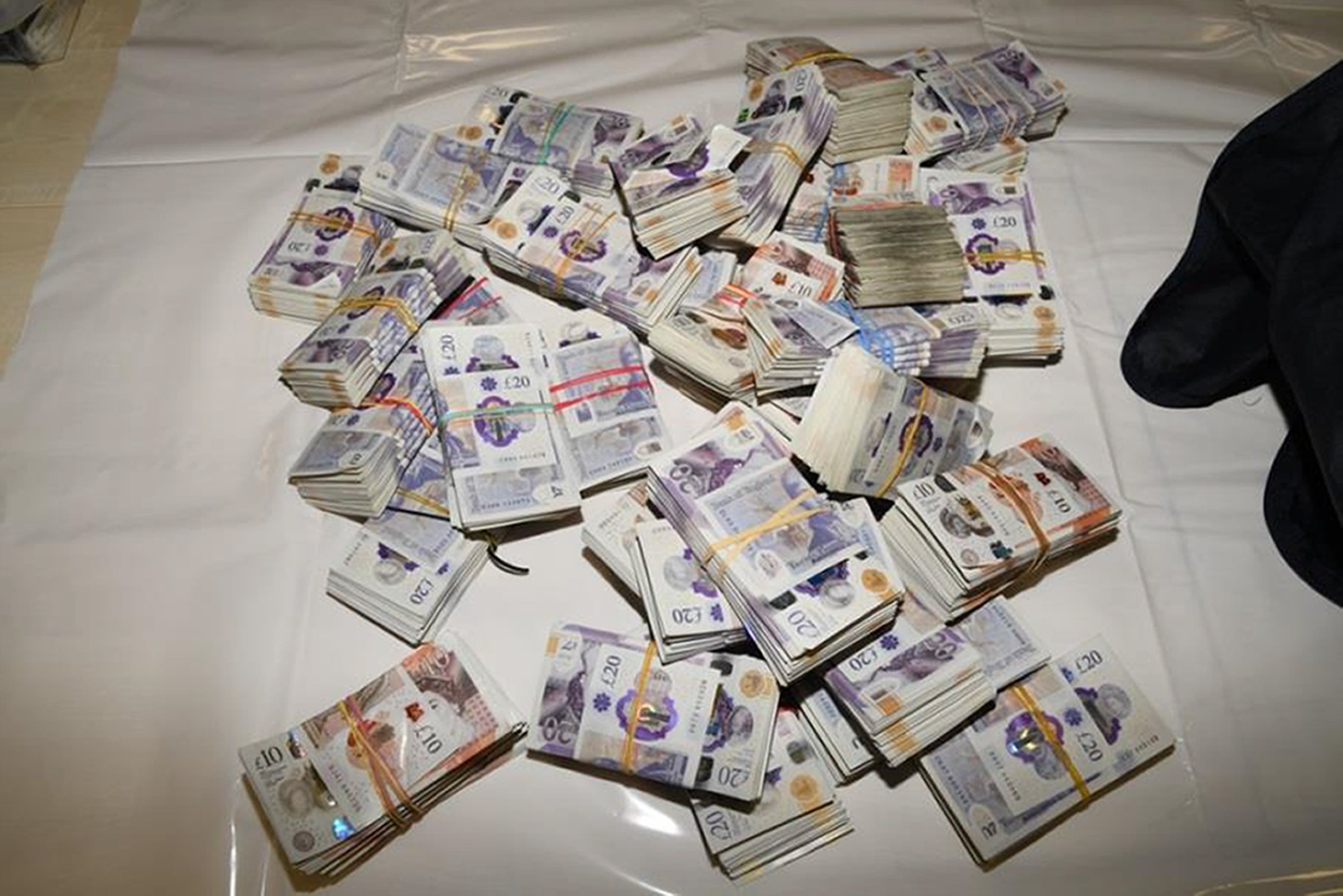
Since the launch of Operation Destabilization, 128 arrests have been made in the UK alone, with over £25 million in cash and cryptocurrency.
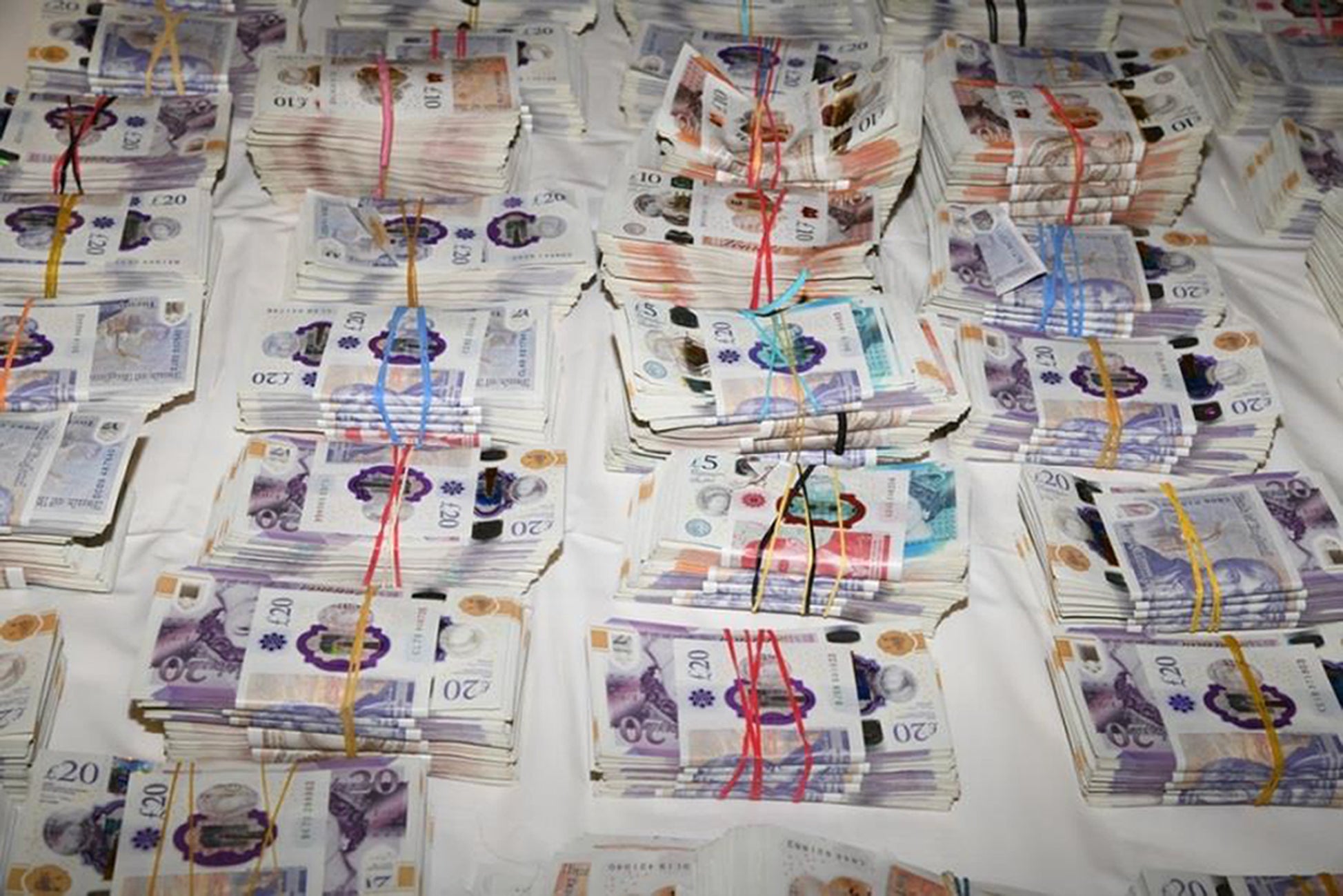
A spokesman for the NCA said a link could be drawn between someone in the UK “buying some cocaine on a Friday night” and “geopolitical events causing suffering around the world”.
Sal Melki, NCA deputy director for economic crime, added: “Today we can reveal the true scale at which these networks operate and draw a line between crime in our societies, sophisticated organized crime and state-sponsored activities.
“Networks disrupted through Destabilize operate at all levels of international money laundering, from drug dealing and street money collection to bank takeovers and global sanctions violations.”
In December last year, the agency uncovered two networks, TGR and Smart, working together to launder money for multinational criminal groups involved in cybercrime, drugs and firearms trafficking.
The networks were known to help Russian clients “illegally circumvent” financial restrictions on investing money in the UK, according to the NCA.
Smart is headed by Ekaterina Zhdanova, a 39-year-old Russian citizen who was said to have been born in Siberia, then worked in the financial sector and established connections in Moscow.
Georgy Rossi was the boss of TGR.
TGR and Smart are understood to have laundered money for the Irish cartel Kinahans and the state-controlled TV network Russia Today.
Senior members of the networks were sanctioned by the US Office of Foreign Assets Control (OFAC) in December and Zhdanova remains in pre-trial detention in France.
In August, the UK government sanctioned a company linked to Rossi, Altair Holding SA, as part of a wider crackdown on Russian attempts to exploit Kyrgyz financial systems and crypto networks.
The NCA said Altair acquired a 75 percent stake in Keremet bank on Christmas Day 2024, which was later approved by the UK and the US.
It was determined that Keremet facilitated cross-border payments on behalf of Promsvyazbank, the Russian state bank that supports companies involved in the Russian military industry.
Mr Melki told a media briefing: “The people responsible for buying this bank and facilitating payments supporting the Russian industrial military base operate in at least 28 cities and towns in the UK.”
Mr Melki said UK-based crime launderers affiliated with the same network were not just couriers, but instead people who “maintain a whole architecture that allows crime to be paid for in our country”.
He added: “For the first time we link the drug trade in our society to the highest levels of organized crime, geopolitics, sanctions evasion, the Russian industrial military complex and state-related activities.
“We can make a really clear connection between someone taking some cocaine on a Friday night and geopolitical events that cause suffering around the world.”
Mr Melki said the threat posed by these networks was “significant” and the NCA and its partners “will not stop”.
He added: “With over 120 arrests we are making a difference and have significantly restricted the ability of these networks to operate in the UK.
“But there are other networks like them, and it is imperative that we continue to arrest, prosecute, seize and sanction these criminals and deny them access to the financial services they exploit.”
Security Minister Dan Jarvis said: “This complex operation exposed the corrupt tactics used by Russia to evade sanctions and fund its illegal war in Ukraine.
“We work tirelessly to detect, disrupt and prosecute anyone operating on behalf of a hostile foreign state. This will never be tolerated on our streets.”


