How export restrictions may be giving US an advantage
00:00 Speaker A
American chip companies, Nvidia’s, AMD’s selling advanced AI chips to China, and whether this should be allowed. I don’t know if you saw Anthropic’s CEO talk to Bloomberg. He said selling advanced artificial intelligence chips to China was a mistake. I think this is crazy, he says it’s like selling nuclear weapons to North Korea. What do you understand from these comments? Do you agree, Chris? Should we actually maintain restrictions on such AI chip exports?
00:36 Chris
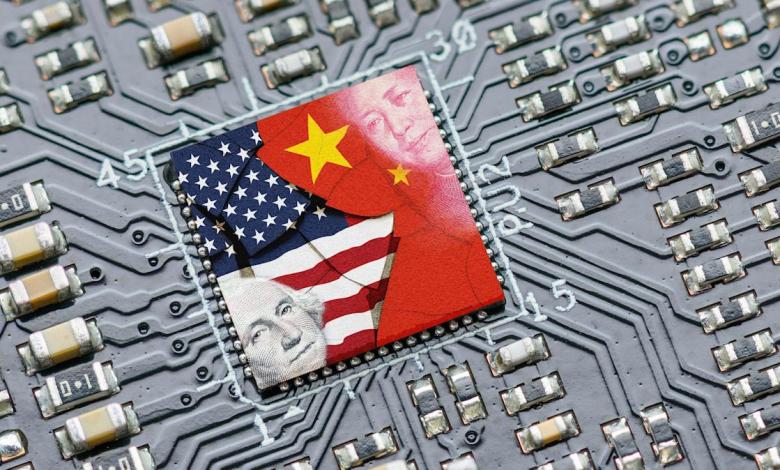
Yes, I’ve seen these comments and I think that’s a fair description. Look, I think the US restrictions on AI chip exports to China are the biggest difference between the US and China and AI. If you look at the rest of the AI stack—data, capabilities, algorithms, electricity generation, applications—China is as good or better than us. But the truth is that we have a big difference in chips, AI calculations and hardware. And given that this is the most important input to advanced AI models, the need for the computing needs of these models increases radically. This is both the essence of our advantage and the biggest thing the Chinese have to catch up on. And there are significant bipartisan concerns in Washington about a plan to sell artificial intelligence chip sales to China. And to see that, you can look at the House Foreign Affairs Committee today; The bill passed a 42-2 vote on a bipartisan bill that would impose significant restrictions on AI chip sales to China, impose congressional oversight in the same way it oversees arms sales, and also ban the export of more advanced chips, Blackwell chips, or equivalents from other companies for the next two years. So we’ll see where this legislation goes, but the reality is that while the administration is pursuing a policy of selling AI chips to China, I’m not sure that’s necessarily in stable balance right now, and there are real concerns on both sides of the aisle that this may not be in the national interest of the United States.
02:08 Speaker A
What about Chris and I simplify the discussion. But you know the counter argument, you think it’s something like that. Well, we should allow the sale of these AI chips to China because we want the Chinese consumer, we want the Chinese enterprise. We want to keep them loyal, committed and committed to American technology. What do you think about this, Chris?
02:30 Chris
Yes, I will say a few things in response. First, the Chinese government will never allow its companies to become dependent on US technology, right? They will make sure every AI chip in China is sold and prioritize semiconductor production. You can see this both in their determination to indigenize semiconductor manufacturing and in their historical reluctance to accept US dominance or Western dependence on any strategic technology, especially semiconductors. The other thing I would say is that I don’t think the idea that chips are sticky and that this addiction exists doesn’t quite stand up to scrutiny. And the reason you know this is because you can actually look at all the AI labs and every single one of them is currently, you know, training or running models on non-Nvidia chips. So this actually shows that with a lot of capital and a lot of dedication, you can change ecosystems. And the Chinese government, if nothing else, has too much capital and too much dedication, and once they manage to go indigenized, they can shut down.


