Australia urged to step up climate leadership on oceans

Australia is encouraged to use its leading international climate diplomacy role to demonstrate leadership on ocean health and fill the gap left by the United States.
Ahead of mid-year climate talks in Germany, ocean expert Terry Garcia said the global community cannot rely on the United States as a reliable partner and leader on ocean and climate policy in the next two and a half years.
“If progress is to be made, others will have to shoulder the burden,” the former top bureaucrat at the top US climate and weather agency said as he delivered the Talbot Lecture at the Australian Museum.
“In this regard, Australia and the Asia-Pacific region have the credibility, institutions and scientific capacity that this moment urgently requires,” he said in Sydney on Thursday.
The Trump administration withdrew the United States from the Paris Agreement and cut funding for the National Oceanic and Atmospheric Administration, where Mr. Garcia previously served as deputy administrator.
Deep-sea mining, which involves extracting minerals from the ocean floor where little is known about the environmental consequences, is also being fast-tracked by the United States, including in international waters.
“These actions can have far-reaching consequences, harming reefs, coastlines, fisheries and the well-being of people around the world,” Mr. Garcia said.
He said Australia was “perfectly positioned” to assert international leadership as head of negotiations at the upcoming United Nations Conference of the Parties (COP) summit, which Türkiye will host with preliminary meetings in Pacific island countries.
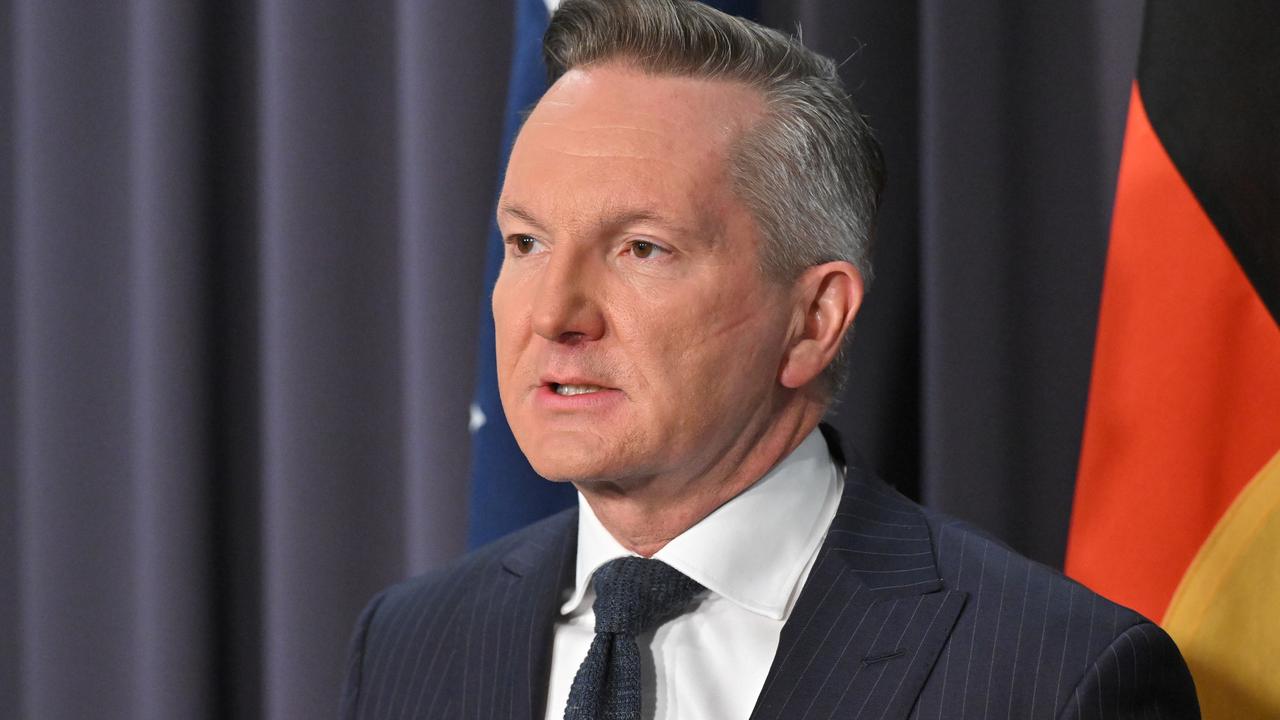
Australian Climate and Energy Minister Chris Bowen will attend the annual mid-year meetings in Bonn, Germany, which form the scientific and technical basis for the main event, which usually takes place later in the year.
His Turkish counterpart, COP31 president Murat Kurum, will also lead discussions and set national priorities.
As the biggest oil shock in history led to a renewed focus on energy security, clean energy and electrification emerged as priorities for Mr. Bowen and Mr. Kurum.
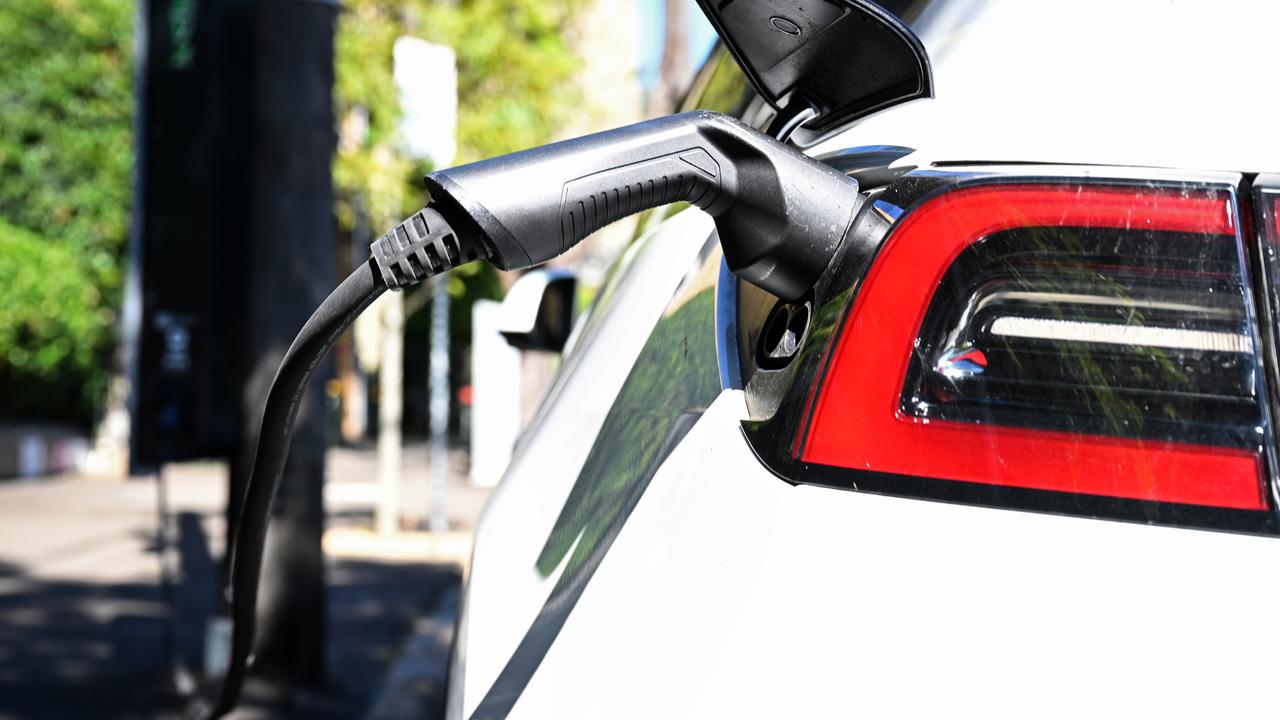
Electric vehicle purchases have boomed in Australia since the start of the Middle East conflict; hybrids, plug-in hybrids and EVs accounted for more than 46 percent of all new cars sold in May.
International climate negotiations are also heating up, with the World Meteorological Organization stating that there is an 80 percent chance of at least a moderate El Niño occurring within months.
UN Secretary-General Antonio Guterres said El Niño conditions would “fuel the fire of a warming world”.
In a wide-ranging speech on the dangers facing seascapes, Mr Garcia said ocean degradation and climate change were “inextricably intertwined”.
“Sea surface temperatures have reached record levels,” he said.
“And we are currently experiencing the most widespread coral bleaching event ever recorded.
“My former agency, NOAA, had to add three new alert levels to the coral bleaching scale, which is the equivalent of adding a sixth and seventh category to the hurricane scale because the existing categories were not capturing what we were seeing.”

Australia’s Associated Press is the beating heart of Australian news. AAP is Australia’s only independent national news channel and has been providing accurate, reliable and fast-paced news content to the media industry, government and corporate sector for 85 years. We inform Australia.


