First Iran war inflation data to lock in RBA rate hike

The Iran war may be in its ninth week, but its impact on the Australian economy is yet to be revealed in concrete data.
That changes on Wednesday.
The Australian Bureau of Statistics is likely to announce that fuel prices rose by 35 per cent in March, pushing headline inflation to 4.7 per cent, according to economists at ANZ Bank.
However, the Central Bank, which was concerned about inflation before the conflict, will follow the three-month inflation figures announced on Wednesday more closely.
ANZ economists Madeline Dunk and Adam Boyton predict the three-month trimmed average, the bank’s preferred key indicator of inflation, will likely rise 0.9 per cent, taking annual growth from 3.4 per cent to 3.6 per cent.
“Quarterly data for the RBA will likely confirm underlying inflationary pressures that were evident in the economy before the escalation of conflict in the Middle East in late February,” they said.
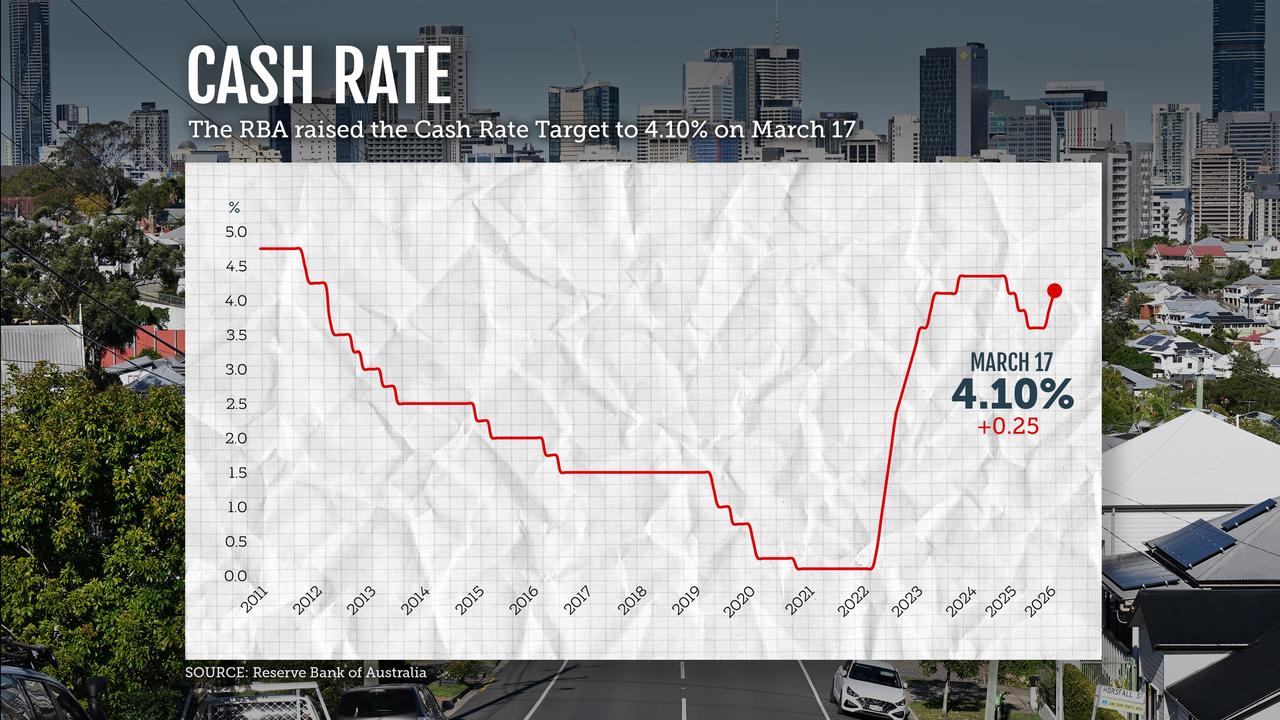
“We continue to expect the RBA to raise the cash rate by 25 basis points to 4.35 per cent in May.”
Markets are pricing in about a three-quarters chance of a rate hike on Tuesday, with two hikes fully priced in by Christmas.
Although fuel will be excluded from the core figure, it mechanically pushes core inflation up by pushing other fast-growing spending items back into the basket.
In February, the RBA predicted the trimmed average would reach 3.7 per cent in June.
Economists at JP Morgan said headline inflation would also get a significant boost from electricity prices, which are expected to rise nearly 20 per cent on a quarterly basis as a result of the end of government subsidies.
There is a clear risk that inflation will exceed the RBA’s forecast, given that the follow-on effects of the oil shock will become even harsher in the coming months.
Fighting inflation is not the central bank’s only concern.
It is equally important to ensure that inflation expectations remain stable; So people expect inflation to return to target in the medium term.
ANZ and Roy Morgan’s weekly inflation expectations index, which asks respondents how high they expect inflation to be in two years, stood at 6.6 per cent on Tuesday.
While this remains uncomfortably high for the RBA, it is the lowest rate since early March when the government announced it would cut fuel duty.

Australia’s Associated Press is the beating heart of Australian news. AAP is Australia’s only independent national news channel and has been providing accurate, reliable and fast-paced news content to the media industry, government and corporate sector for 85 years. We inform Australia.


