Sales of energy drinks to under-16s set to be banned in England

The government is preparing to ban the sale of highly caffeinated energy drinks to under-16s in England.
The ban will apply to drinks containing more than 150 mg of caffeine per liter, except for tea and coffee.
The legislation will come into force in April 2027 and will apply in stores, vending machines and also online.
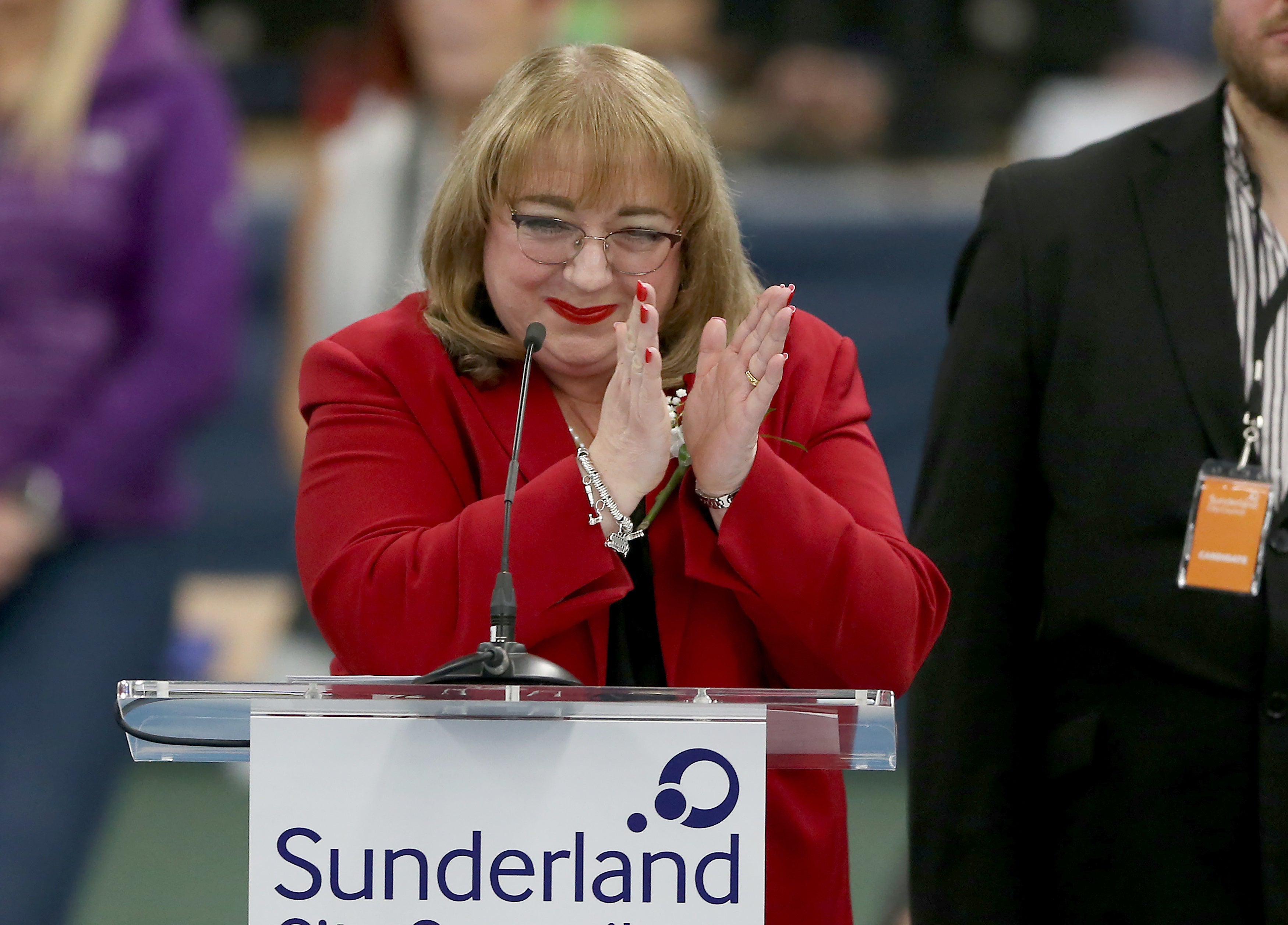
Public Health Minister Sharon Hodgson said: “Highly caffeine energy drinks have no place in the hands of children. We know thousands of children in England consume them every day, but the evidence is clear that it can cause anxiety, affect their sleep and concentration and have a detrimental impact on their education.”

“This ban will reduce opportunities for children to purchase drinks that are harmful to their health and well-being and demonstrates our commitment to creating the healthiest generation of children ever.”
Businesses found selling these drinks to under-16s will face fines of up to £2,500.
This follows a consultation that received nearly 1,100 responses from businesses, public health organisations, enforcement agencies and the public, with strong support for introducing age limits.
It is estimated that around 100,000 children in the UK drink energy drinks containing high amounts of caffeine every day.
Evidence shows that this can negatively impact their physical and mental health, as well as their education.
Children living in poorer areas and households are more likely to consume these drinks, increasing health risks and negatively impacting their learning.
The Government will now bring forward secondary legislation using powers contained in the Food Safety Act 1990, subject to approval by Parliament.
Katharine Jenner, Executive Director of the Obesity Health Alliance, said: “This is an extremely popular policy supported by parents, healthcare professionals and the public and is a vital step towards protecting children’s health.
“There is strong evidence that high-caffeine energy drinks are linked to anxiety, poor sleep, poor concentration and damage to learning and wellbeing. It is prudent to restrict sales to children at a vital time in their lives.”
Children in poorer communities are disproportionately affected.
“Extending the ban to include sales in stores, vending machines and online will create a fair and consistent system for retailers and families.
“After years of delay, the Government must now seek approval, support effective implementation and ensure the ban begins immediately in April 2027.”
The consultation is part of a series of measures the government is taking to improve children’s health and tackle childhood obesity.
Other measures include extending the Soft Drinks Industry Levy, introducing supervised tooth brushing for children aged 3 to 5 to protect those living in the poorest communities from tooth decay, and restricting the placement of less healthy foods in certain places in stores.
Earlier this week MPs called on the government to “stand up” to the food industry to tackle Britain’s obesity crisis, which is costing the country tens of billions of dollars each year after decades of inaction.
The Health and Social Care Committee has called for a sweeping overhaul, including a ban on all outdoor advertising of junk food and mandatory labeling on the front of packs.
Its recommendations aim to correct a food environment that is driving consumers towards cheaper, high-fat, sugar and salt (HFSS) products instead of nutritious alternatives.


