What surging oil price means for UK petrol prices, supermarket costs and energy bills

Oil prices rose overnight to their highest level since 2022 as doubts re-emerged over the full opening of the Strait of Hormuz shipping route.
The price of Brent crude oil rose above $125 at one stage, a high not seen since Russia’s invasion of Ukraine. By 9am (BST) on Thursday the price had fallen slightly to $118.
The increase comes amid fears that US President Donald Trump is preparing to escalate the Iran war with more military action.
Negotiations between the US and Iran on a permanent end to the conflict have proven woefully ineffective despite an initial short-term ceasefire agreement, leading to concerns about continued oil and gas supplies to the wider world.
Brent crude, a global benchmark, was priced below $70 before the war began and is a key pricing component for energy, fuel and transportation, food production and general manufacturing, as well as other household expenses.
Although it is a high price, it is important to remember that this is the value of June futures contracts. Oil is generally sold in monthly contracts in advance, with the June contract expiring on Thursday night, with prices reflected in July futures contracts. The price of this contract is currently around $112.
Here’s how the latest rise could affect essential spending for British households in the coming weeks.
Gasoline and fuel
Petrol prices have already increased by 10p per liter for petrol and 15p for diesel. Automobile groups such as RAC say it usually takes two weeks for big changes in oil prices to be reflected at the pumps.
AA says that the price of a liter of gasoline is 158 pence and that of a liter of diesel is 191 pence.
For context, the highest price oil ever reached was $147 in 2008. Record pump prices came in July 2022, when petrol was 191.53p and diesel 199p.

Get a free partial share of up to £100.
Capital is at risk.
Terms and conditions apply.
ADVERTISING
Get a free partial share of up to £100.
Capital is at risk.
Terms and conditions apply.
ADVERTISING
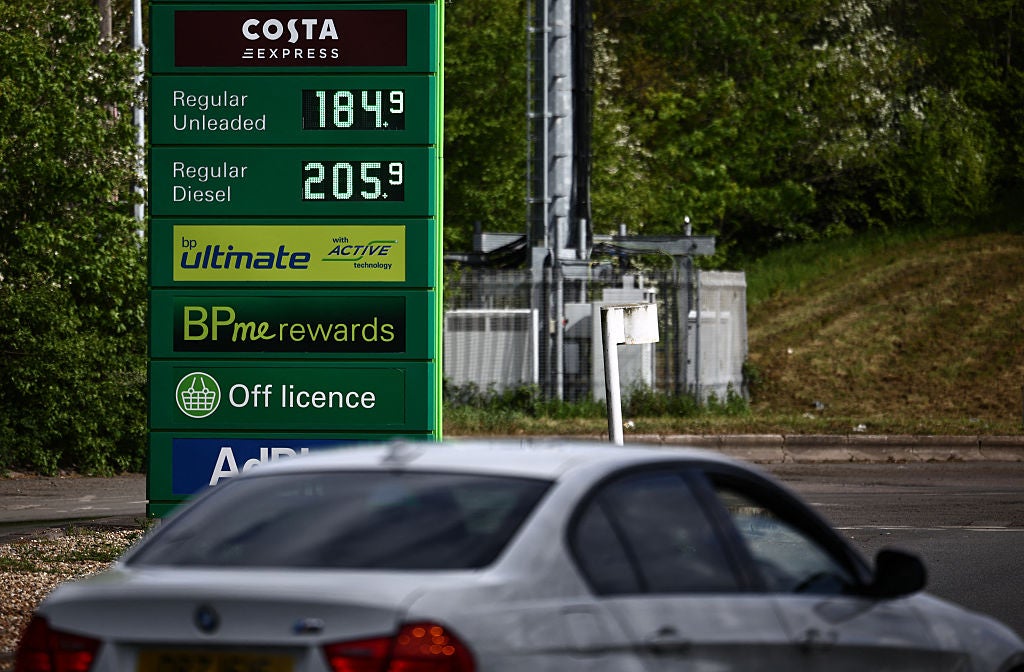
A $10 increase in the price of a barrel of oil equates to roughly 6-8p on the price of a liter of fuel when you adjust for tax.
Danni Hewson, head of financial analysis at AJ Bell, said:: “The current price at the pump is already alarmingly high, and recent declines in the price of oil have been slow to impact, so today’s rise may not significantly increase costs for drivers, especially if it is short-lived. If oil remains above $120 a barrel or rises further, drivers are likely to be in for an unpleasant surprise in the next few weeks.”
Quilter investment strategist Lindsay James said: “UK consumers have so far faced price shock at the petrol pumps, but as the war and subsequent supply constraints continue, the likelihood of physical shortages will increase, not just at the pumps but across global supply chains and a range of goods.”
energy bills
The biggest factor in most people’s energy bills is gas prices rather than oil; the exception is off-grid customers who are dependent on heating oil, for which the government already offers some support.
The energy price cap is set at £1,641 per year from 1 April to 30 June.
A spokesman for Energy UK said: “We too have experienced an increase in gas prices since the conflict began. Due to the way price caps work this has not yet affected the majority of customers but there will be a significant increase in July when the next one starts.”
If the price of oil remains high, this could mean a rise similar to the £332 predicted by Cornwall Insight before the ceasefire was announced.
Food and groceries
While there is no specific amount by which different foods and beverages will increase, they are all affected by increasing energy costs and transportation costs (the price of growing, producing or transporting foodstuffs to points of sale).
The Food and Drink Federation (FDF) warned earlier this year that grocery prices could rise by up to 10 per cent and now says it could take up to a year for prices to fully pass through the system, depending on contracts made with suppliers, manufacturers and other parts of the supply chain.
FDF chief economist Dr. “The war in Iran has led to a cost shock that is too large for producers to fully absorb. The impact on prices will take time to pass through the system, but it is only a matter of time before it happens,” Liliana Danila said.
Meanwhile, the Energy and Climate Intelligence Unit (ECIU) has warned that poorer households in the UK will be hit harder by inflationary food costs than their wealthier counterparts. This is because lower-income households spend a larger percentage of their money on basic needs, including food, leading to a larger overall hit to spending power and therefore living standards.
The British Retail Consortium (BRC) expects the true full cost will not be known until 12 months later.
While BRC chief executive Helen Dickinson reiterated that supply-side contracts mean customers do not face food shortages in most cases, she said: “Conflict in the Middle East is adding to existing cost pressures facing retailers, with rising energy costs impacting production, transport and distribution costs. The longer the conflict drags on, the more it will fuel inflation, compounding the domestic and policy-related costs already affecting businesses.”
“Food availability is unlikely to be affected as 90 per cent of food sold comes from the UK or EU. As the war continues, rising energy and fertilizer prices will begin to put additional pressure on prices. However, gas prices are still significantly lower in Ukraine than they were at the start of the war.”
Interest rates and inflation
The Bank of England voted on Thursday to keep interest rates at 3.75 per cent.
However, there are concerns that this issue may need to be brought up once again later in the year to guard against rising inflation caused by the rise in oil prices. For this reason, it is stated that the increase in Brent costs will increase concerns that Monetary Policy Committee members will find it necessary to increase interest rates.
.jpeg)
Higher interest rates mean potentially higher borrowing costs for those not on fixed-rate products, while those needing a new mortgage down the road will see lenders increase their rates on deals.
When interest rates rise, businesses tend to borrow and invest less, while households spend less on discretionary items; thus, demand decreases and helps suppress additional price increases, which is effectively the cause of inflation.
What do the experts say?
The National Debtline service says they are starting to see the first signs of new cost-of-living pressures starting to take hold, citing credit card debt (43 per cent of callers in March) and unpaid energy bills (39 per cent) as two key concerns.
Ms James added: “While the loss of oil supply could theoretically be largely offset in the short term through spare capacity, additional pipelines, the release of stockpiles and the temporary lifting of sanctions, the hurdles are relatively high. If these problems persist, we could see extended price increases, including but not limited to energy bills, for the duration of the blockade.”
Susannah Streeter, Wealth Club’s chief investment strategist, warned that more could be coming as higher costs fluctuate across industries.
“With oil storage limited, Iranian facilities may be forced to reduce production within a few days. There were high hopes that the ceasefire would start to reduce prices at the pumps, but amid this stalemate, it seems the only way is to cover the cost of fueling,” he said.
“It will also keep freight costs high; given that plastics are made from petrochemicals and could have a hugely detrimental impact on global food production, it is likely to push packaging costs even higher. Shipments of urea, used for fertiliser, have been blocked and costs have skyrocketed for farmers around the world who have not purchased stock in advance. The concern is that all these costs will be passed on through supply chains, driving up prices of everyday goods later in the year and into next year.”


