England’s World Cup victory sparked record traffic on major UK mobile networks

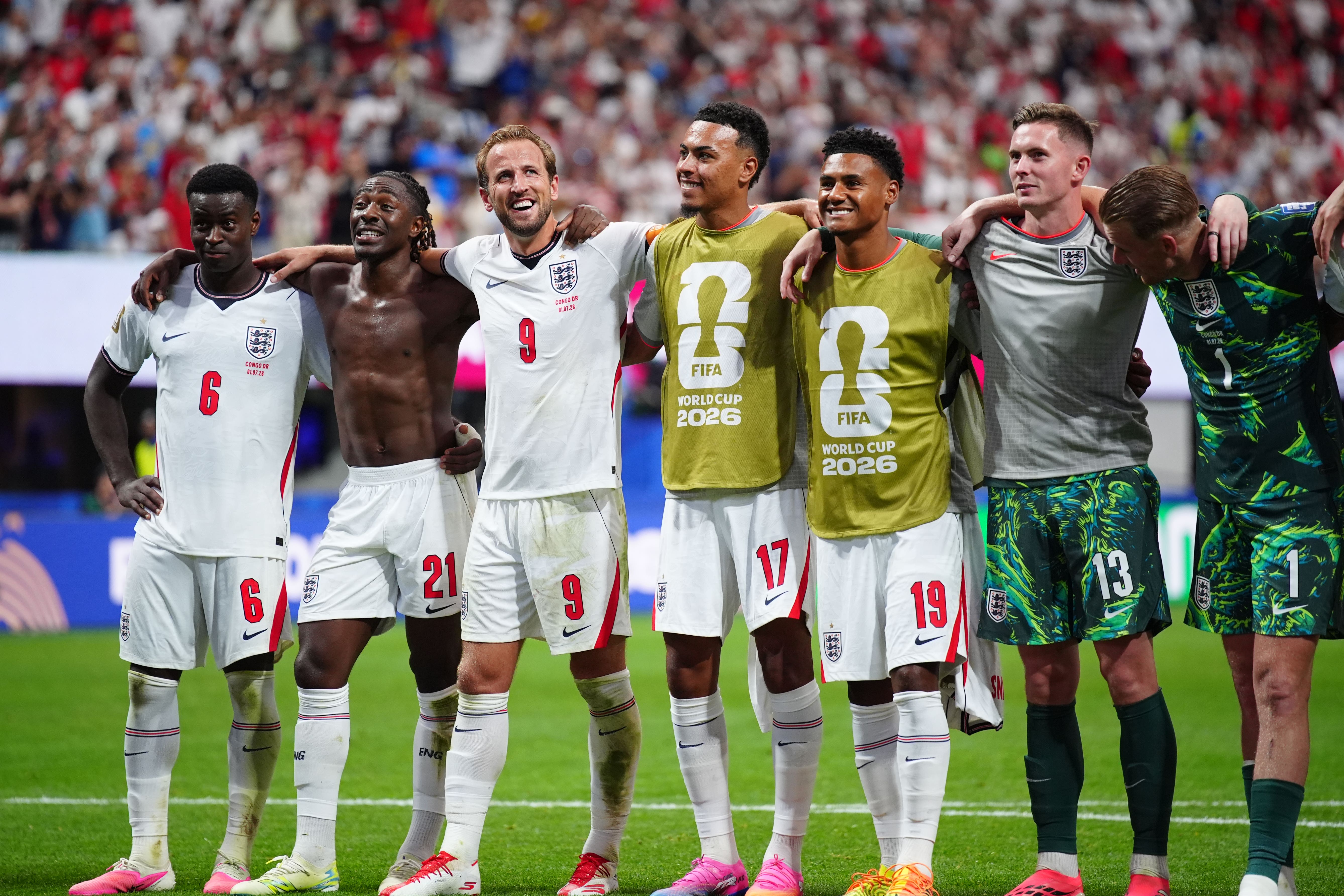
Millions of fans watching England’s World Cup victory over the Democratic Republic of the Congo on their evening commute led to unprecedented increases in mobile traffic for the UK’s biggest networks, new data has revealed.
Both EE and O2 recorded new records during Wednesday night’s Fifa men’s football match. The 5pm kick-off coincided with many people’s journey home from work, leading to the proliferation of mobile viewing.
EE’s network experienced all-time high traffic during the game, rising 42 percent above average levels on Wednesday.
At the same time, O2 recorded the biggest increase in mobile traffic in its history, surpassing its previous high by 20.4 per cent when Arsenal played PSG in the UEFA Champions League final in May.
O2 said overall mobile traffic was 27.7 per cent higher than on the average week as millions of fans streamed the match during their evening commute.
This resulted in traffic on BBC iPlayer broadcasting the match increasing by 380 percent compared to a typical weekday afternoon, according to the network’s data.
Jeanie York, chief technology officer at Virgin Media O2, said: “Live sport is one of the biggest drivers of mobile traffic in the UK and England’s victory over the DR Congo set a new record on the O2 network.
“With millions of fans tuning into the game during their evening commutes, reliable mobile connectivity has never been more important.”
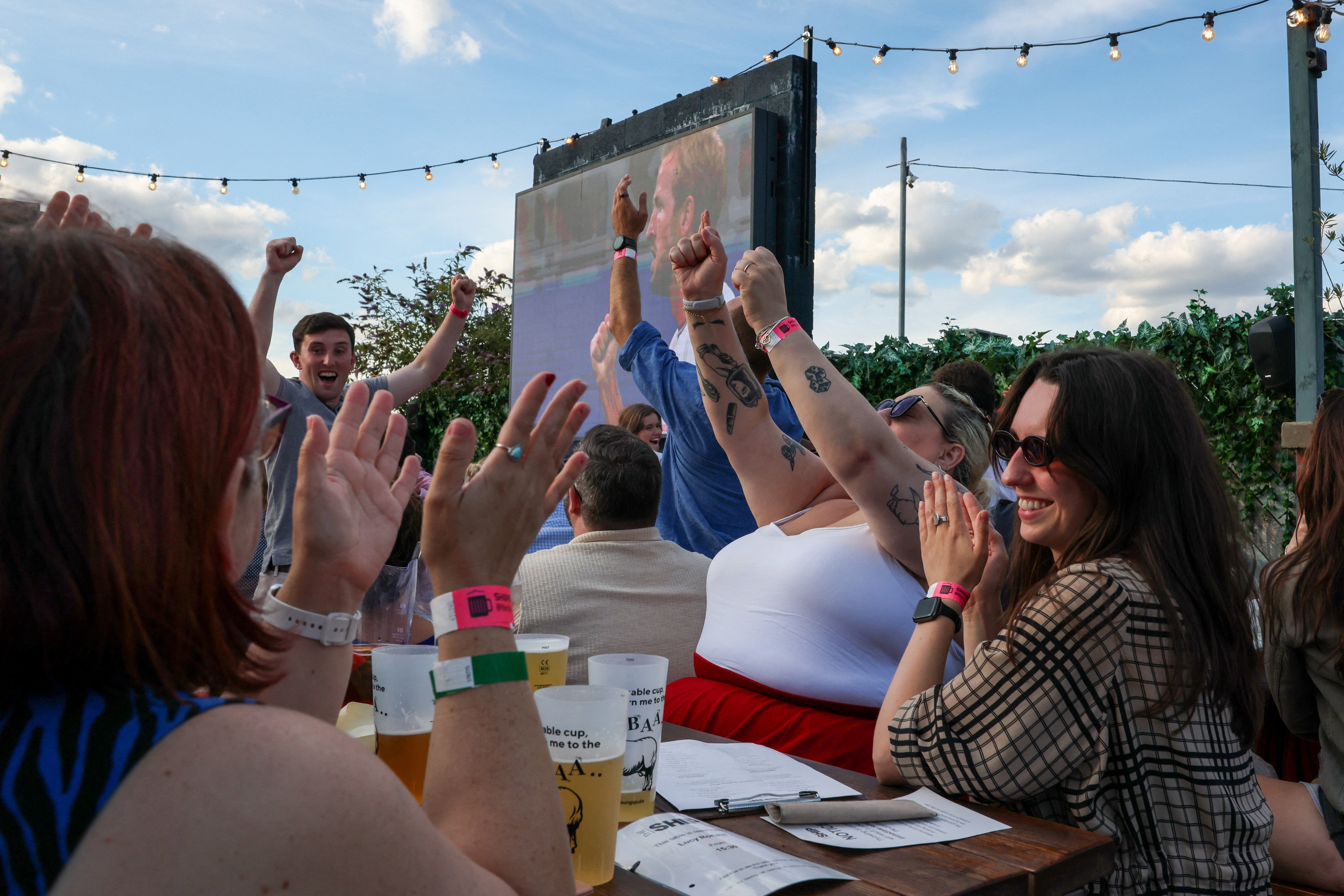
The news comes as England’s World Cup match provides a significant boost to the high street, with fans leaving work early and heading out of pubs and bars to support the Three Lions.
Overall visitor numbers rose 7.4 per cent week on week on Wednesday, driven by a 15 per cent increase on the high street, data from MRI Software shows.
Activity increased steadily throughout the afternoon, with the high street seeing a 28 per cent increase in footfall between 2pm and 5pm as people left work early to meet friends, visit pubs, bars and fan zones and enjoy the pre-match atmosphere before kick-off.
The impact was strongest in London, where office-dense locations recorded a 31.7% increase over the same period.
The number of visitors in the capital increased by 46.7 percent on a weekly basis.
Visits after 5pm, when the game starts, also increased by 13.3 per cent, showing how major sporting events are increasingly expanding their evening economy beyond the game, MRI said.
An MRI Software spokesman said: “Many workers appear to have stayed in the city rather than heading straight home to watch the match in nearby pubs, bars and fan areas, providing a welcome boost to both hospitality and the wider evening economy.
“This is also reflected in the fact that visits in the capital increase by an average of 13.3 per cent after 5pm each week.
“Data continues to reinforce that major sporting events have become social events that extend well beyond 90 minutes on the field.
“With England’s next match kicking off at 1am, we expect activity to shift into the later evening and early hours on Sunday, particularly in pubs, bars and fan zones where extended trading hours will be in place.
“These late-night surges could provide a welcome boost to the night-time economy while creating a sense of space and community that people want to come back to again and again.”


