Iran war could affect UK energy supply over winter months as warning issued over ‘tight days’

Britain will have enough electricity to meet demand throughout next winter despite households struggling with rising energy costs in the wake of the Iran war, according to the national power system operator.
However, the National Energy System Operator (Neso) warned about “frequent days” during the winter months when possible cold weather could occur.
The early winter outlook predicts a surplus of 5.5 gigawatts (GW) in the electricity system between late October and March next year.
This projected surplus represents an 8.8% buffer against peak demand in the winter months.
This margin is slightly below the 2025 forecast, but above previous years’ figures.
As an independent, publicly owned organization, Neso is responsible for ensuring a consistent balance between electricity supply and demand. Failure to maintain this balance may lead to the risk of power outages throughout the country.
Neso said modelling, which stress-tested thousands of scenarios based on electricity demand, weather conditions and production, showed the UK’s electricity system was expected to remain stable this winter.
Despite the recent energy shock from the Iran war, reserves are expected to be higher than in the 2022 energy crisis when the surplus is less.
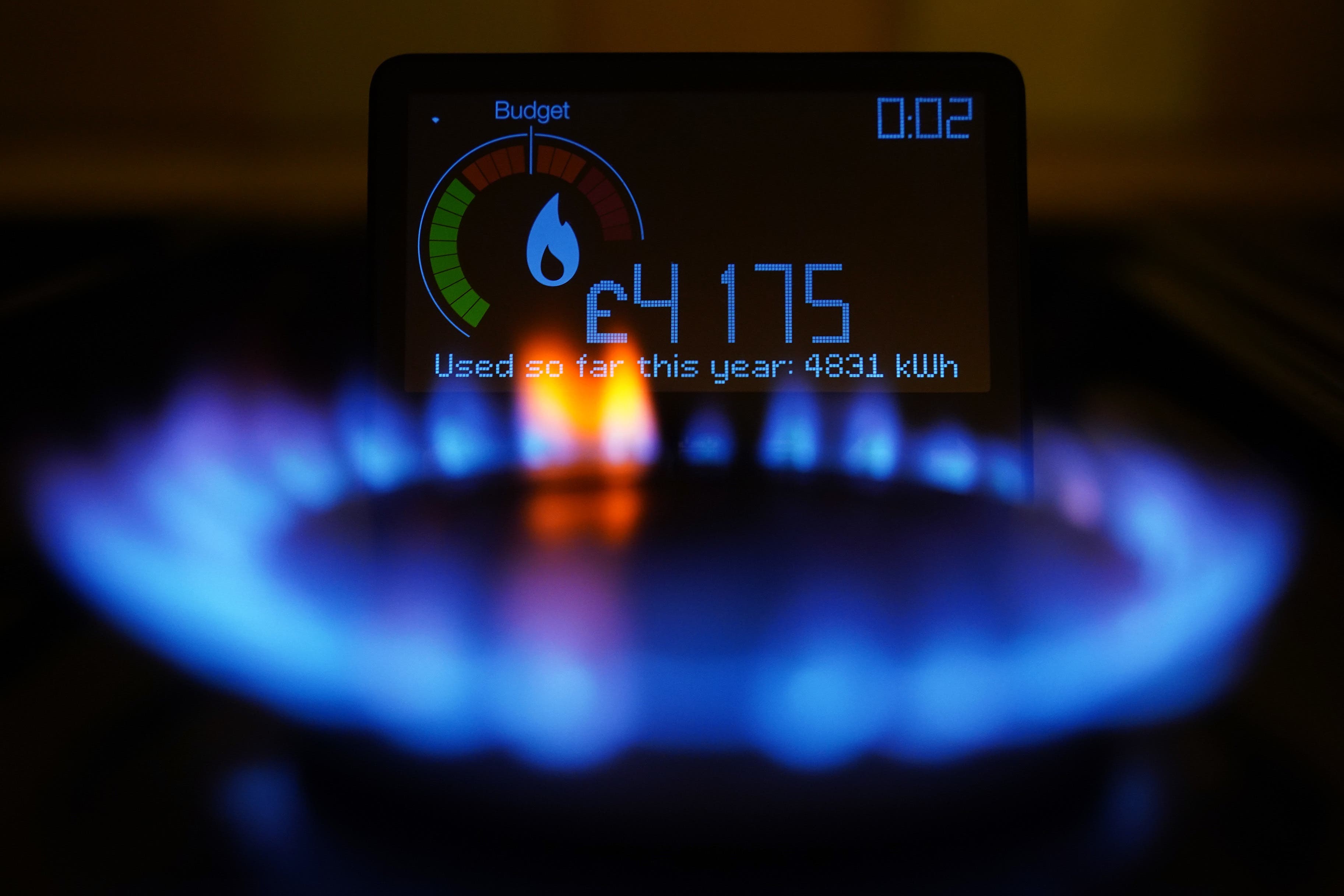
This is because the UK gets most of its liquefied natural gas (LNG) from the US and very little comes from the Middle East, while Britain gets its energy supply from the North Sea and renewable sources such as wind generation and solar power.
Increasing battery storage capacity and new gas-fired power generation are also expected to help meet peaks in demand.
However, Neso said winter gas prices were more volatile than in recent years following conflict in the Middle East and the virtual closure of the Strait of Hormuz, a key international transit route.
This means the real impact of the crisis will be felt on household bills, with Ofgem’s energy cap set to rise by 13% from July 1.
Higher prices could mean some households use less electricity to combat bigger bills; this was seen after the energy crisis in 2022 following the Russian invasion of Ukraine, but this is not currently predicted.
Neso instead warned of the potential for “frequent days” when energy demand is high, especially on cold days when more people want to heat their homes.
This may require the use of system notifications for the grid operator to inform the wider energy industry that electricity supply is not meeting demand and allow production to increase where necessary.
Preliminary data indicates that these days will most likely occur in mid-to-late January 2027.
Deborah Petterson, director of whole energy system resilience at Neso, said: “This has been a year of turmoil in energy markets and geopolitical uncertainty, but Great Britain’s electricity system has a strong record of reliability.
“This early outlook shows a positive outlook for the coming months, with adequate electricity margins expected throughout the winter.
“As we continue to monitor global energy markets, households and businesses can be confident that their electricity supply will remain secure.”


